色谱 ›› 2026, Vol. 44 ›› Issue (9): 1059-1073.DOI: 10.3724/SP.J.1123.2026.03027

• 仪器研制与应用 • 上一篇    下一篇

高灵敏度脉冲火焰光度检测器的研制与性能测试

陈骏彬1,2, 蔡浩原1,*(), 邓智瀚1,2, 金昱杰1,2, 孙建海1   

  1. 1.中国科学院空天信息创新研究院,北京 100190
    2.中国科学院大学电子电气与通信工程学院,北京 100049
  • 收稿日期:2026-03-30 出版日期:2026-09-08 发布日期:2026-09-17
  • 通讯作者: *Tel:(010)58887188,E-mail:caihy@aircas.ac.cn.
  • 基金资助:
    国家重点研发计划(2023YFF0720200)

Development and performance testing of a high-sensitivity pulsed flame photometric detector

CHEN Junbin1,2, CAI Haoyuan1,*(), DENG Zhihan1,2, JIN Yujie1,2, SUN Jianhai1   

  1. 1.Aerospace Information Research Institute,Chinese Academy of Sciences,Beijing 100190,China
    2.School of Electronic,Electrical and Communication Engineering,University of Chinese Academy of Sciences,Beijing 100049,China
  • Received:2026-03-30 Online:2026-09-08 Published:2026-09-17
  • Supported by:
    National Key Research and Development Program(2023YFF0720200)

摘要:

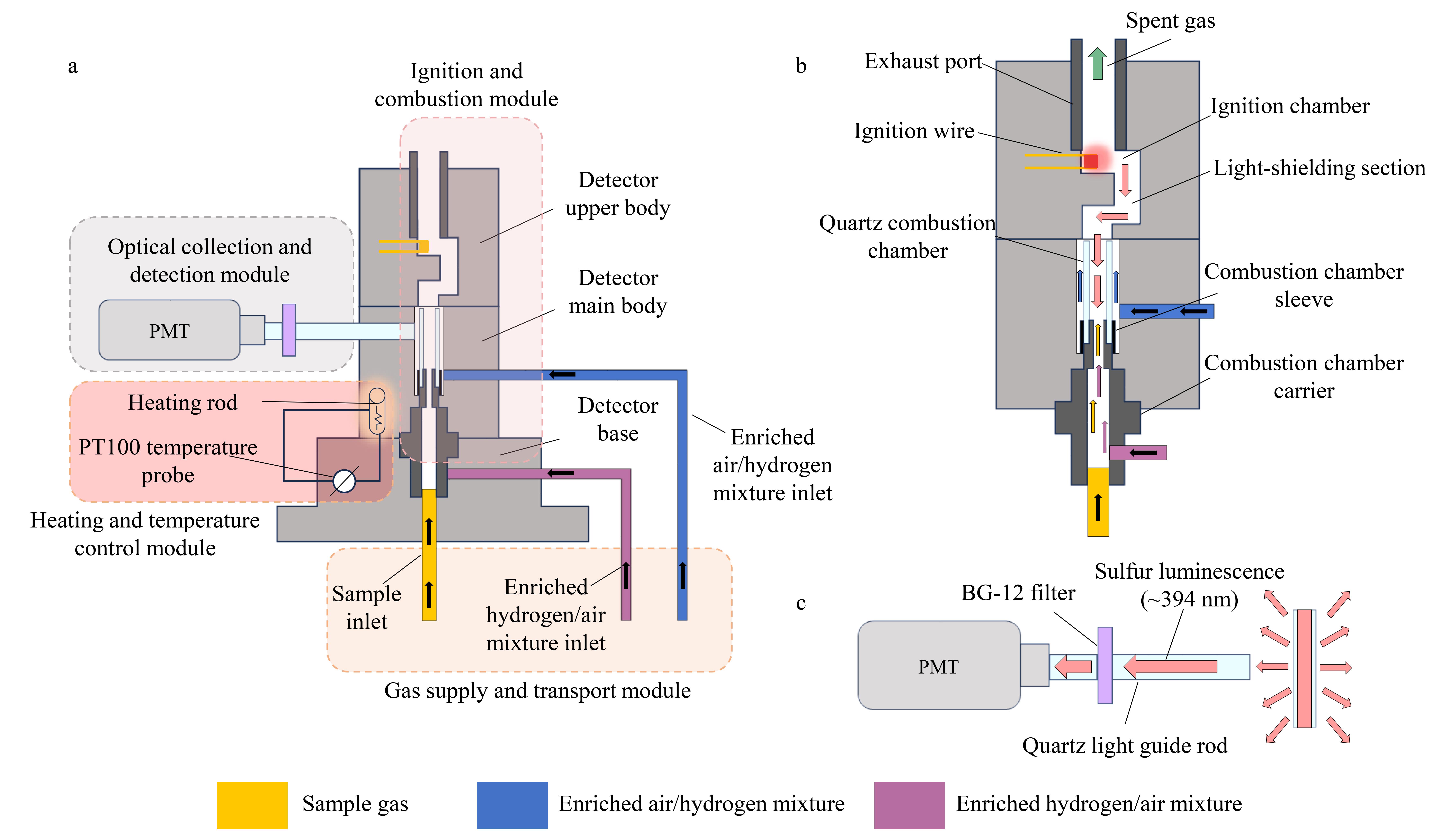
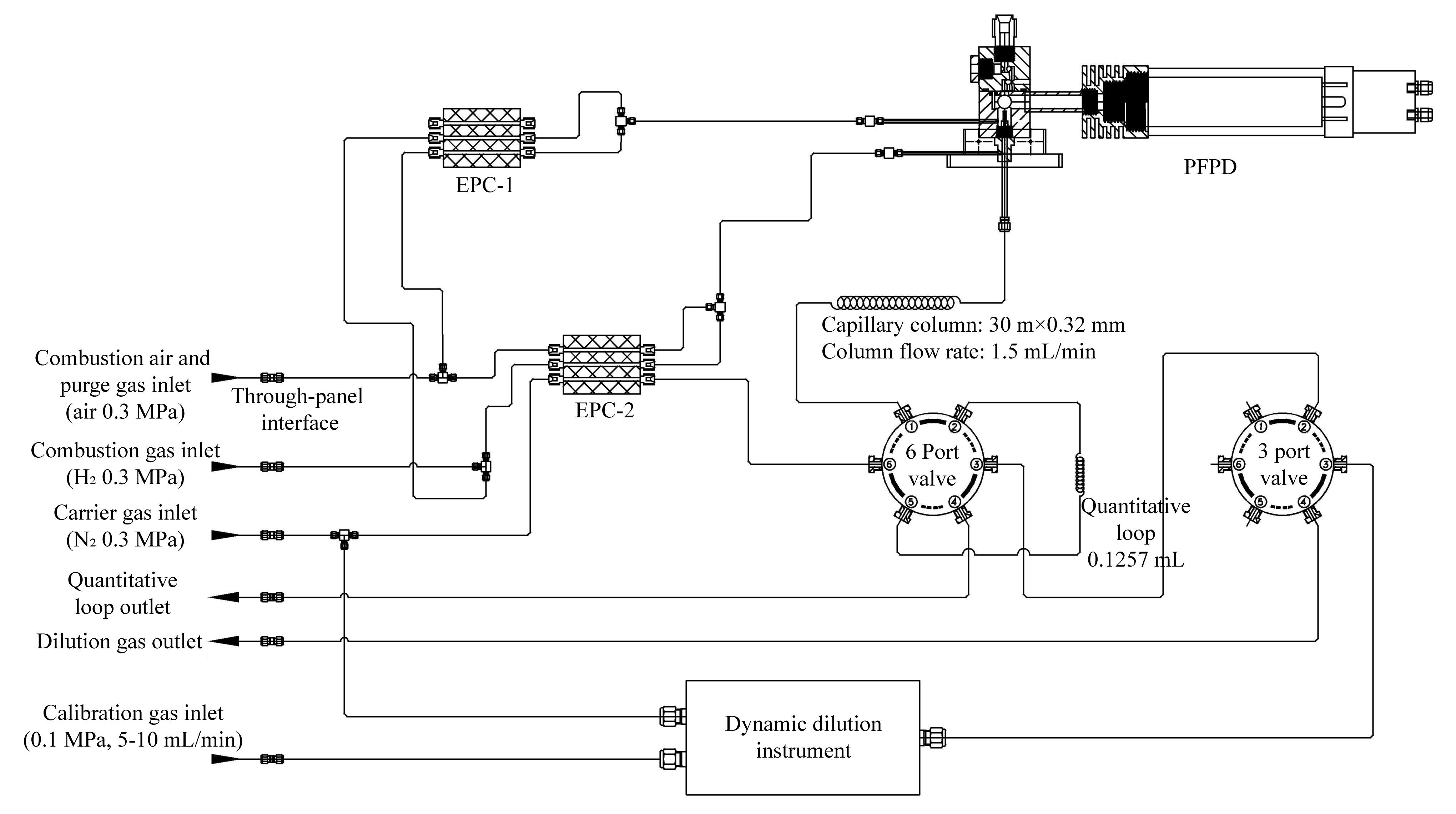
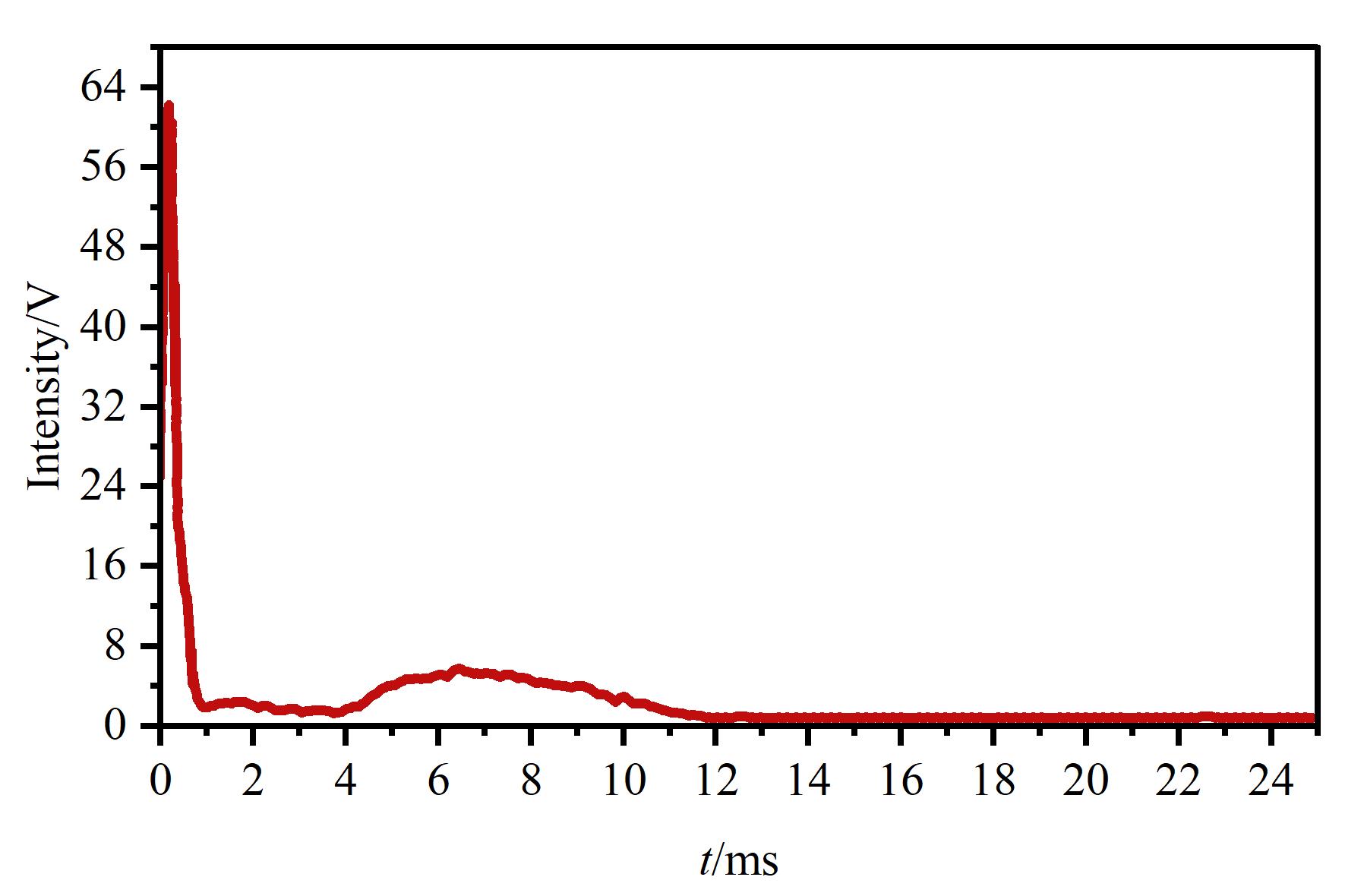
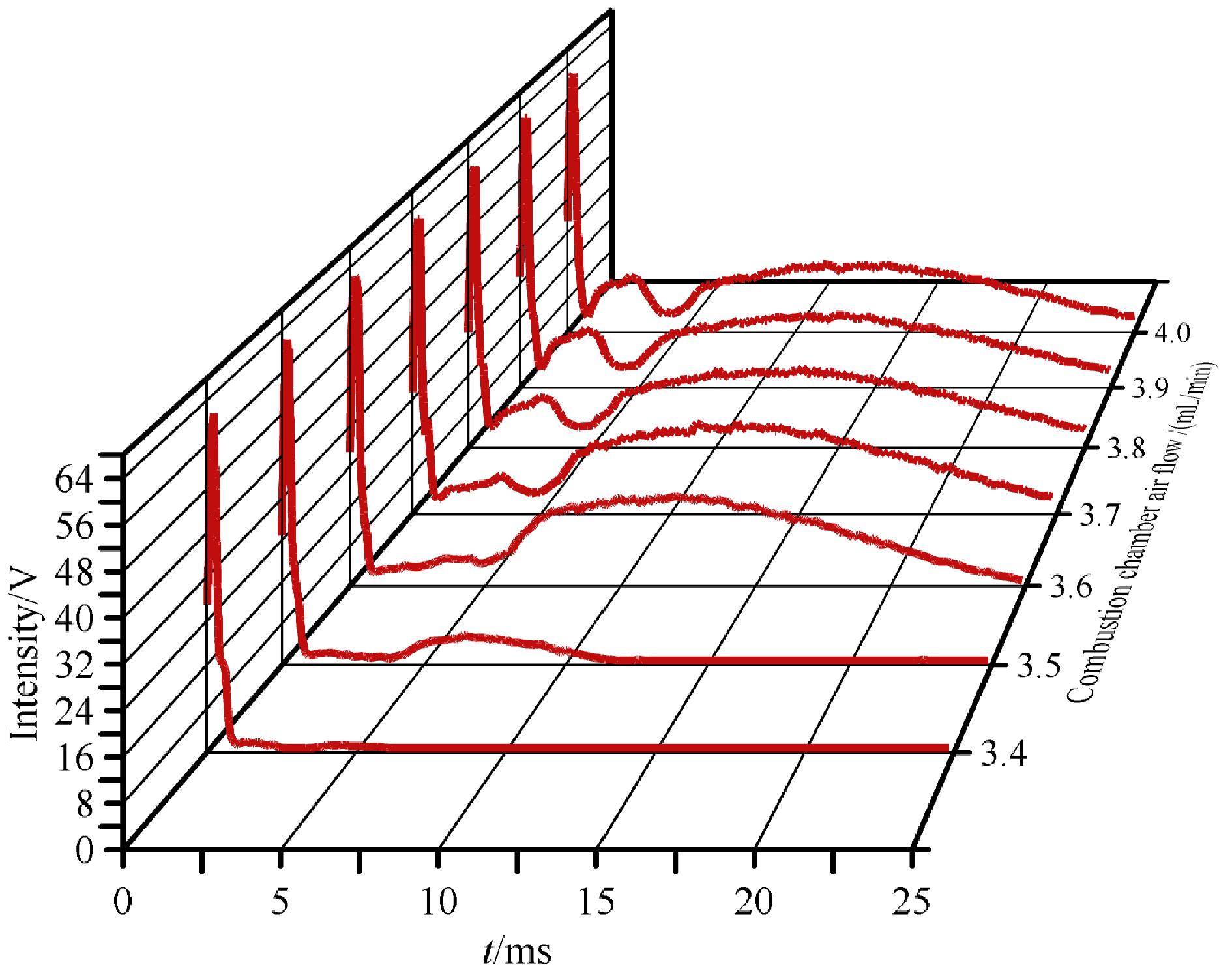
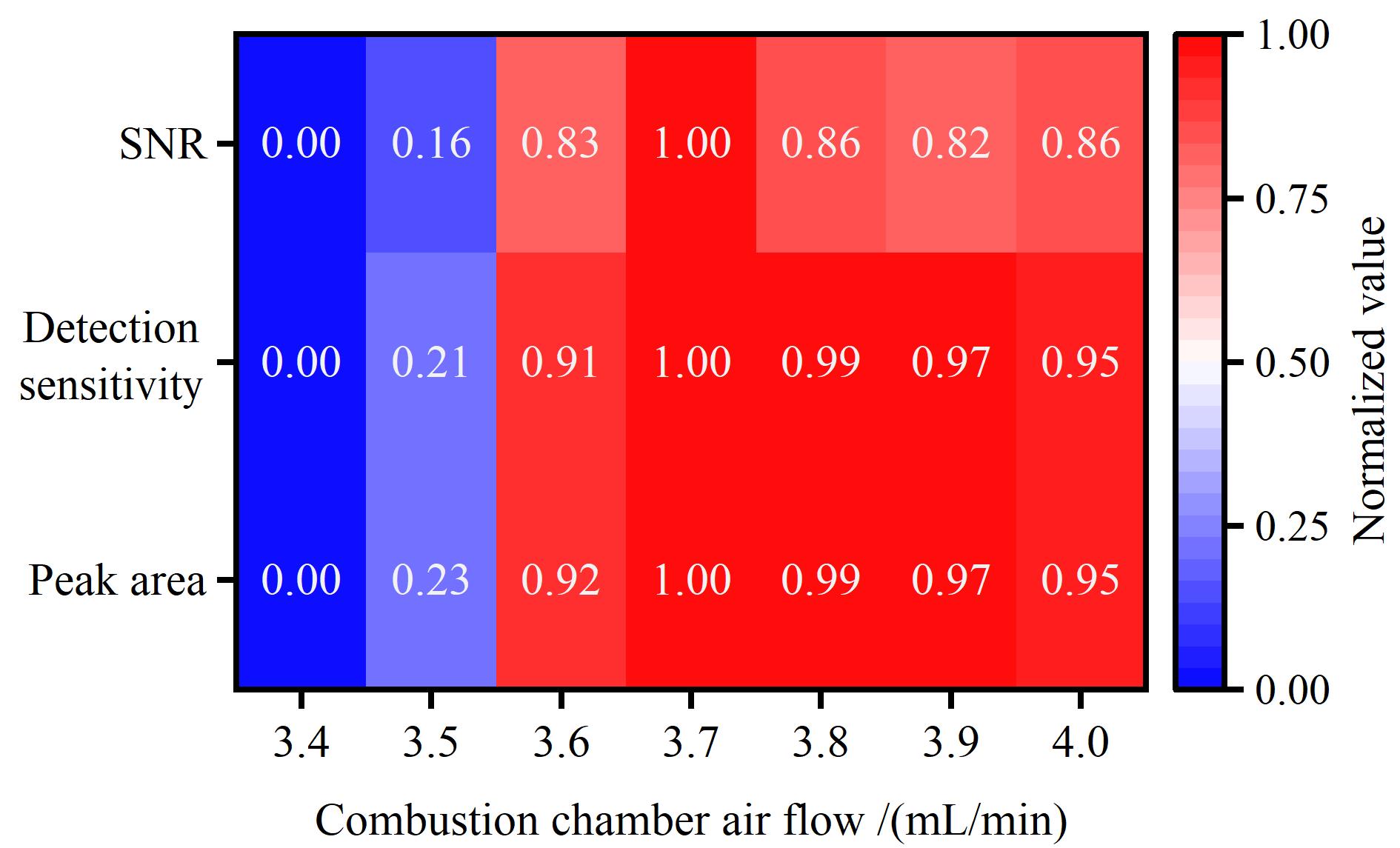
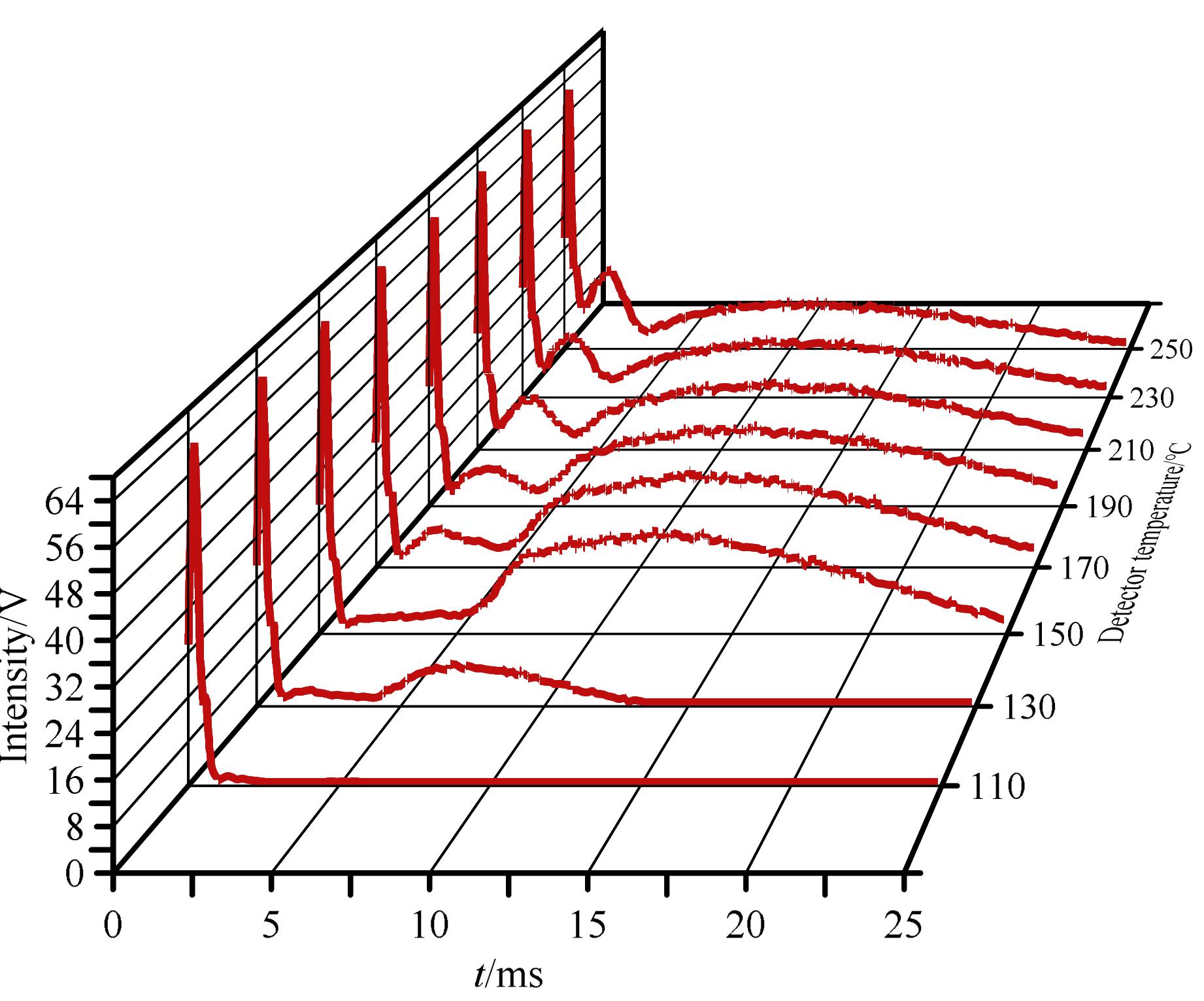
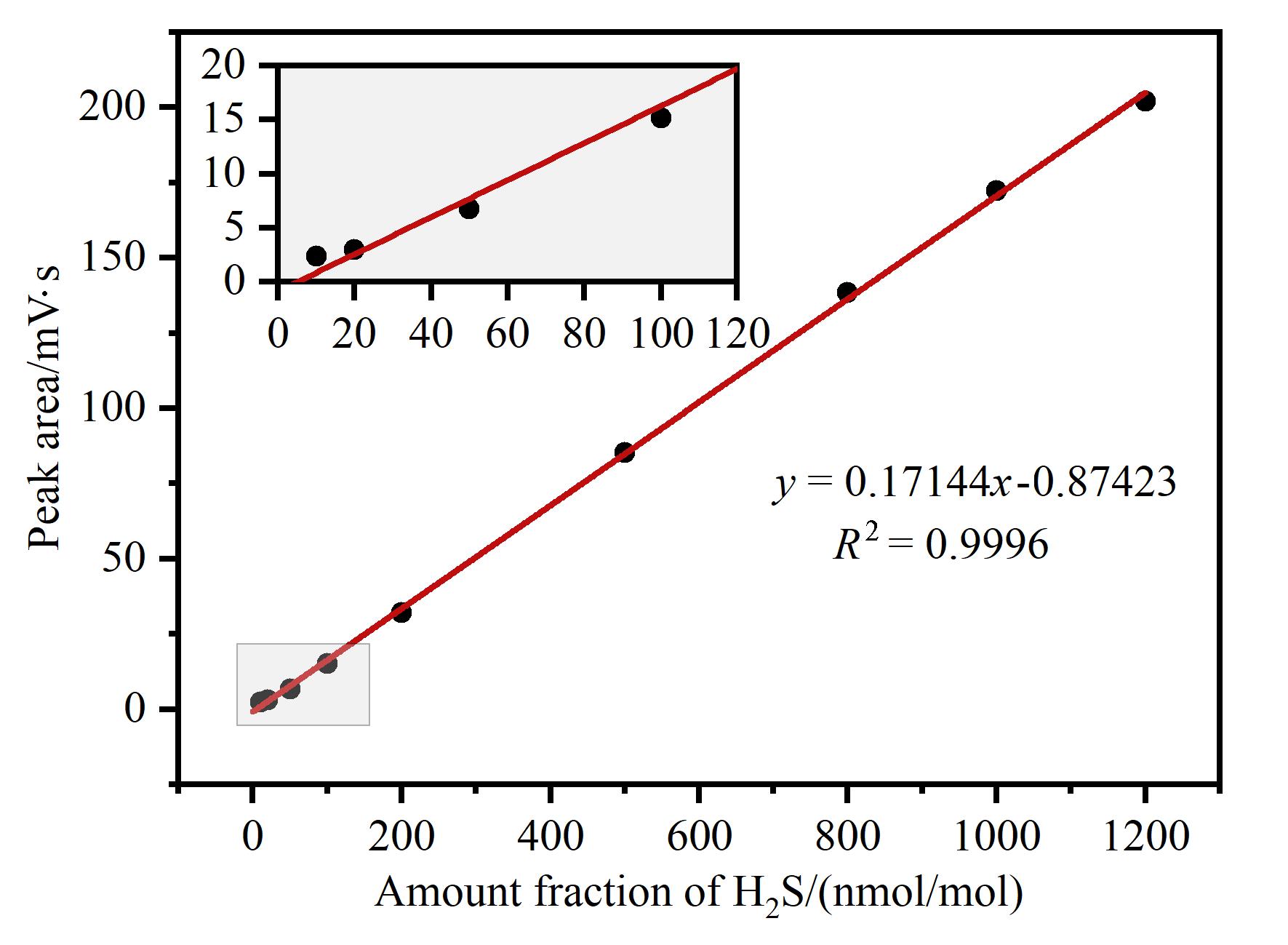
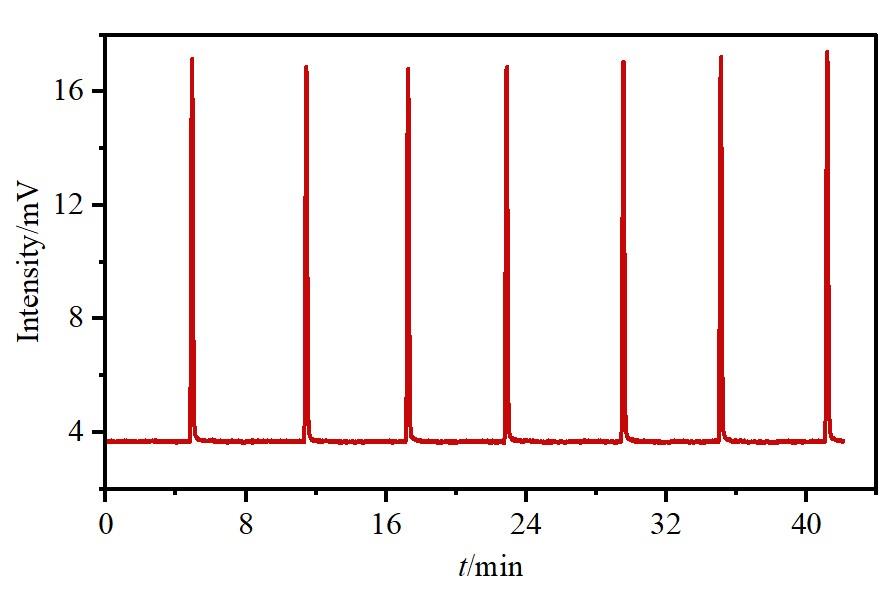
常规火焰光度检测器(FPD)在复杂烃类基体中易受背景发光和火焰波动影响,限制了痕量硫化物的高灵敏、稳定检测。本工作基于硫延迟发光的时间分辨特性,研制了一种脉冲式火焰光度检测器(PFPD),并围绕结构设计、运行参数优化、硫延迟发光响应及仪器性能测试开展系统研究。检测器由燃烧与点火模块、气路模块、光学采集与检测模块、温度控制模块以及机械支撑与密封模块组成。其中,引火室用于建立稳定的周期性点火,样品气体在石英燃烧室内实现脉冲燃烧,产生的硫延迟发光经滤光与导光组件传输后由光电倍增管(PMT)采集。气路模块采用两路电子压力控制单元(EPC)分别调控引火室与燃烧室供气,实现点火条件与分析燃烧条件的解耦调控。在此基础上,建立了“点火基准建立-燃烧室供气参数优化-检测温度与信号增益匹配”的窗口化优化流程。结果表明,将引火室氢气和空气流量分别固定为8.0 mL/min和19.0 mL/min,脉冲火焰稳定且规律,可作为引火室的点火基准;在该基准下,将燃烧室氢气和空气流量分别调节为5.0 mL/min和3.7 mL/min,此时硫响应的峰面积、灵敏度和信噪比(SNR)同步达到最优;检测器温度约150 ℃时,硫延迟发光响应较强;PMT电压在590~710 V范围内可获得较好的SNR提升。采用10 μmol/mol的H₂S标准气体经动态稀释后评价线性范围,并以1.1 μmol/mol的H₂S标准气体开展定量重复性和硫检出限测试。连续7次进样的定量重复性为0.37%,硫检出限为4.1×10⁻1³ g/s,线性范围约为2个数量级。该PFPD具有稳定的脉冲燃烧行为和痕量硫定量能力,可为PFPD结构设计、参数优化、硫延迟发光响应和性能测试提供参考。

关键词: 脉冲式火焰光度检测器, 硫延迟发光, 定量重复性, 硫检出限, 线性范围

Abstract:

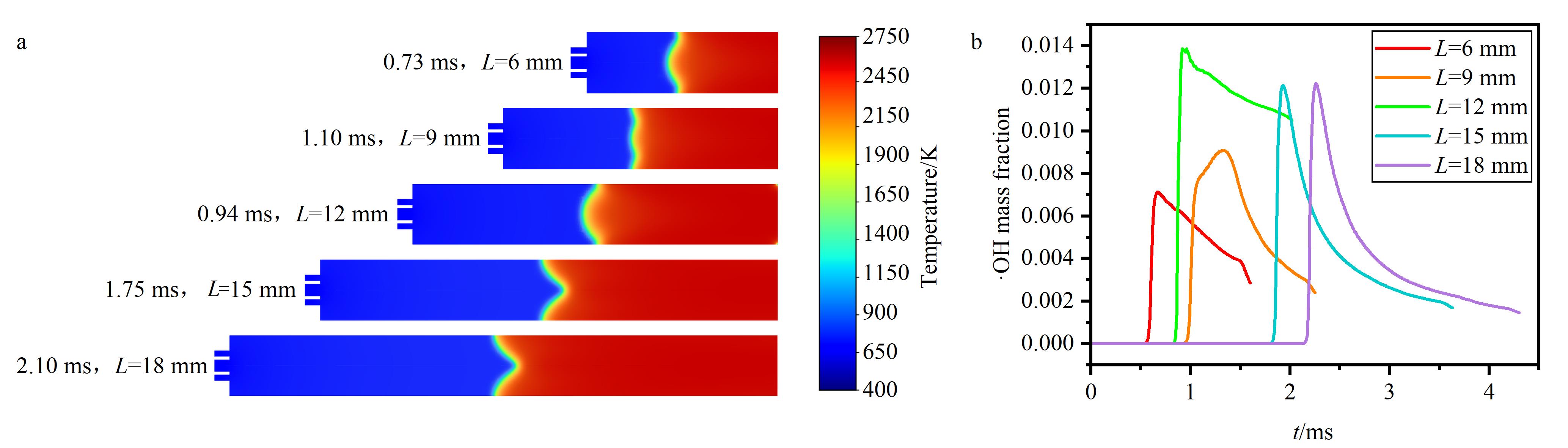
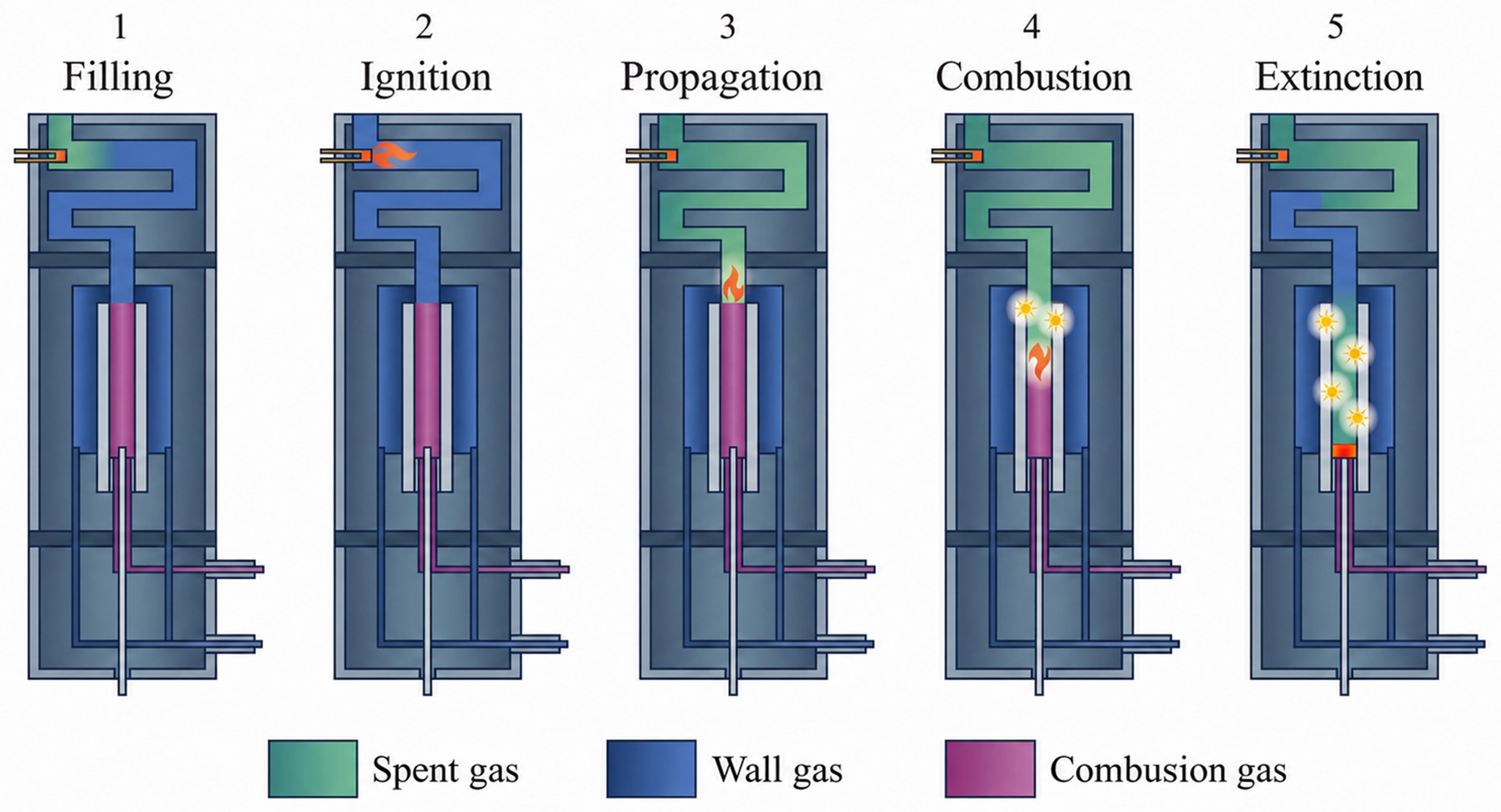
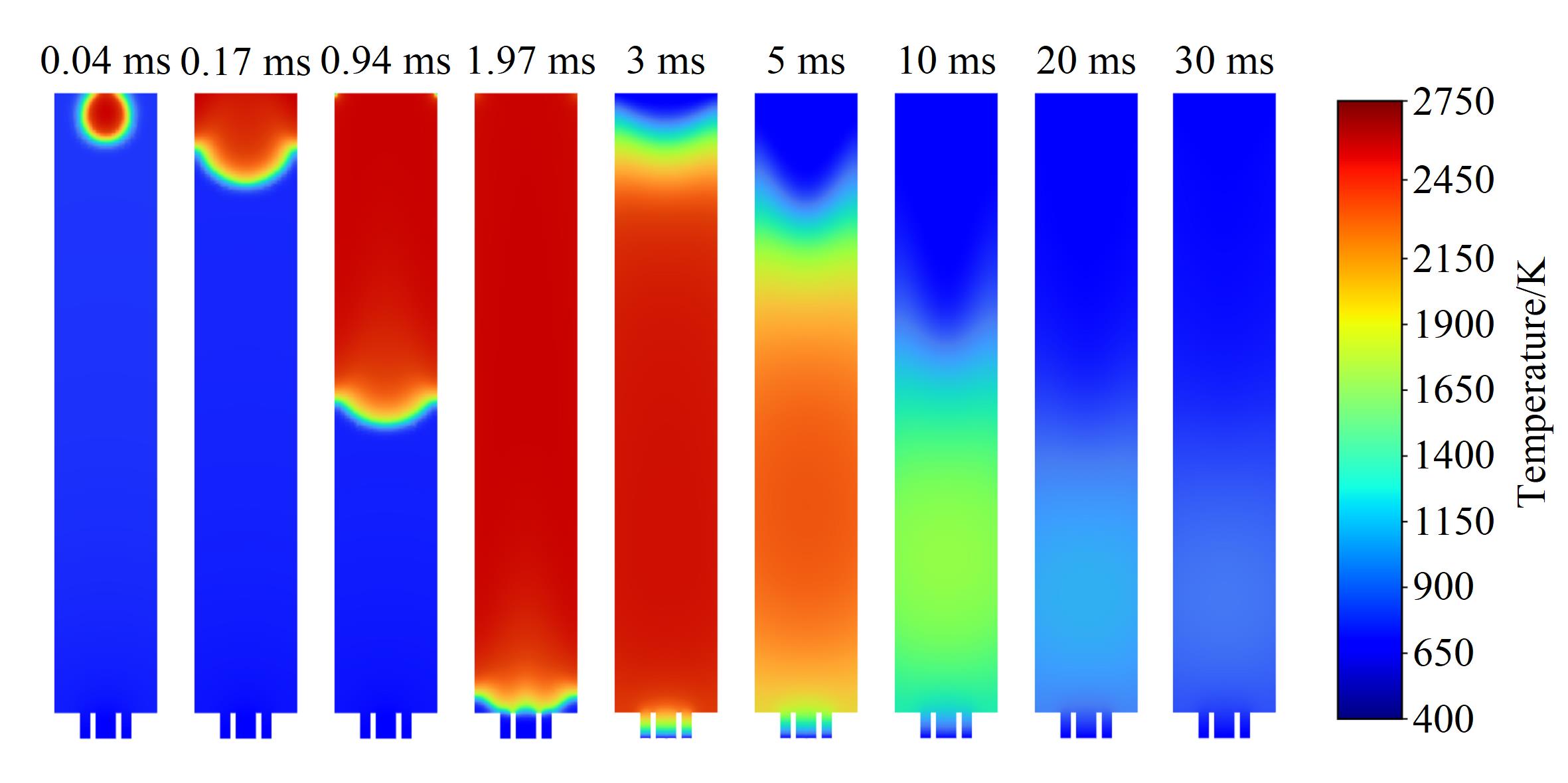
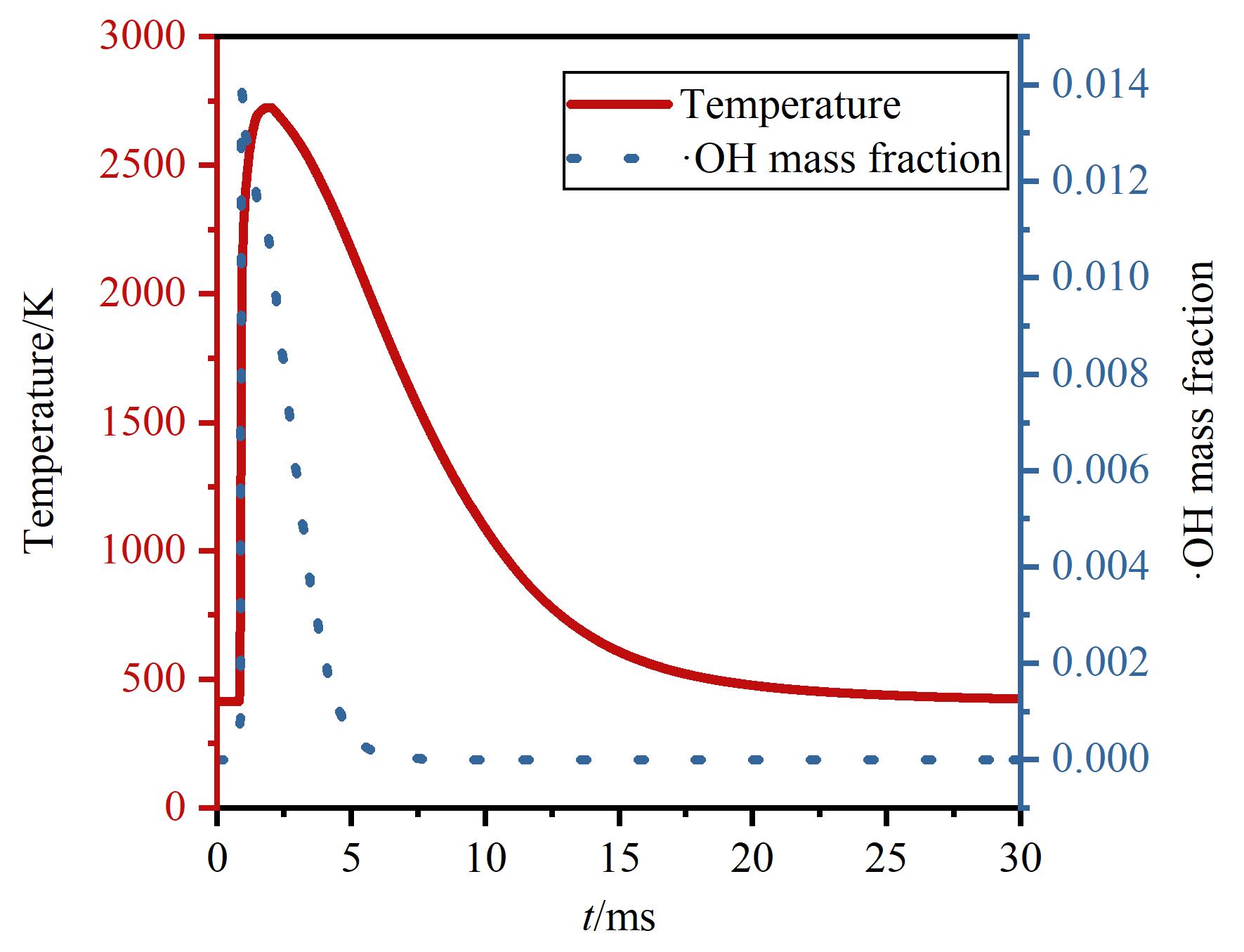
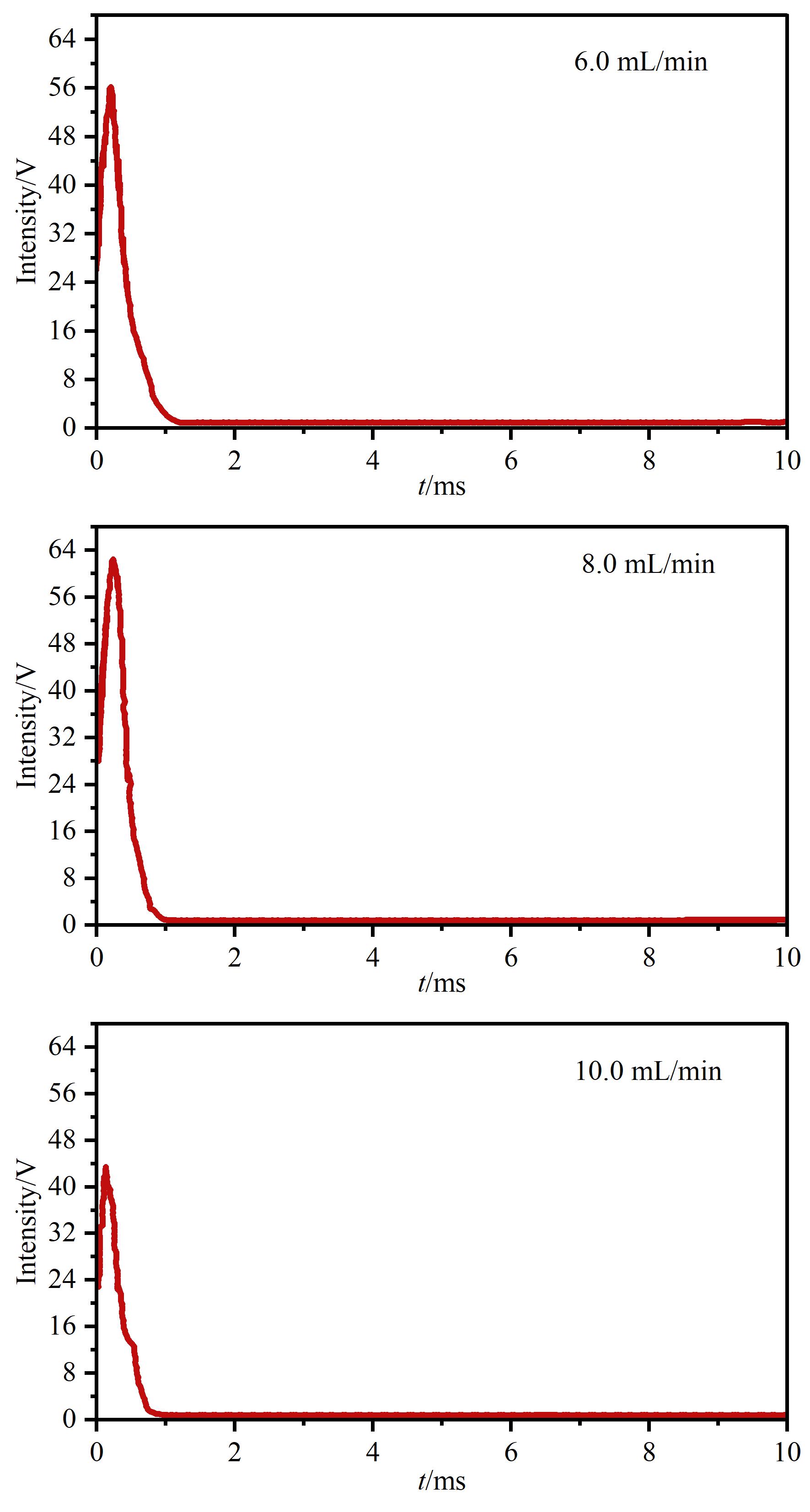
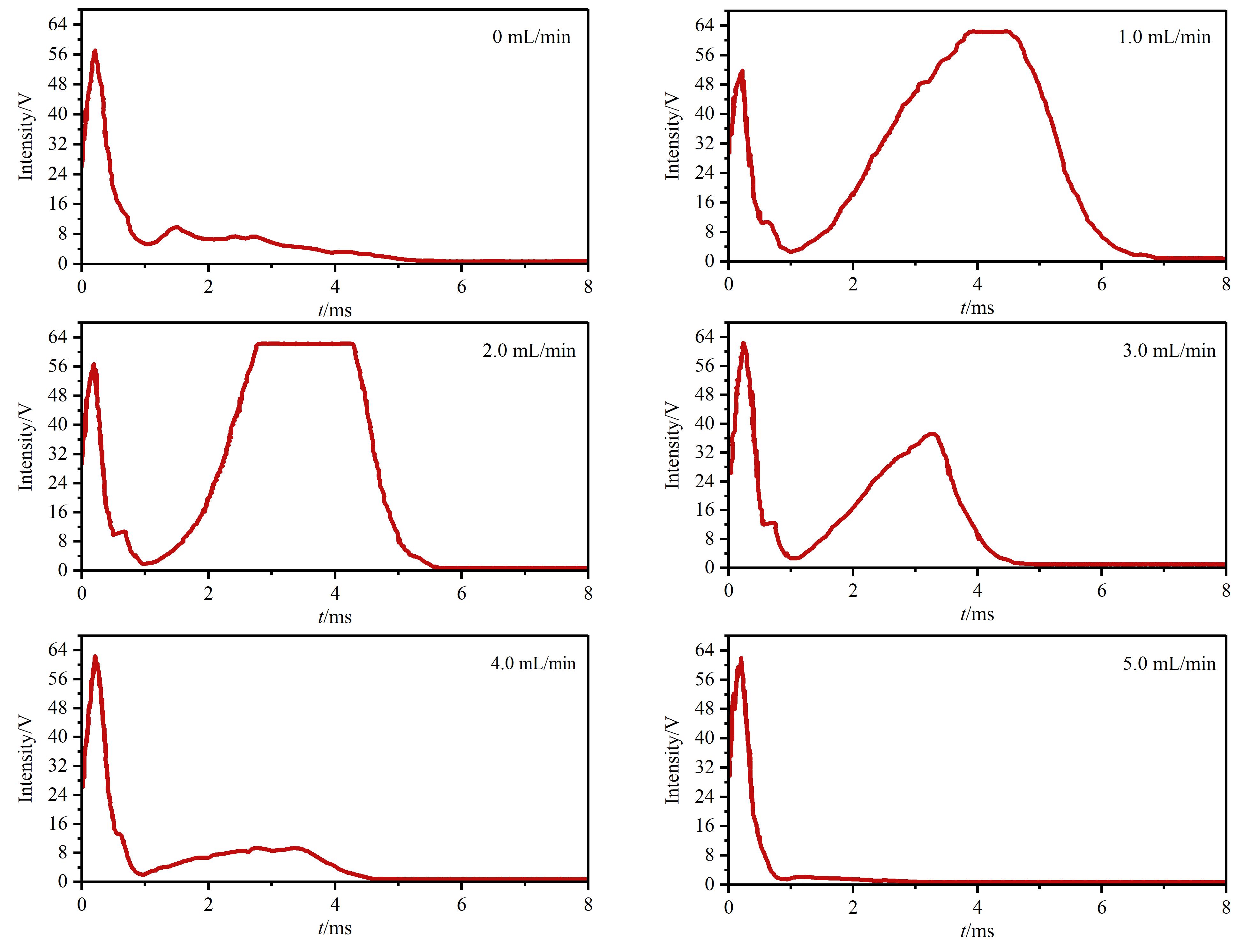
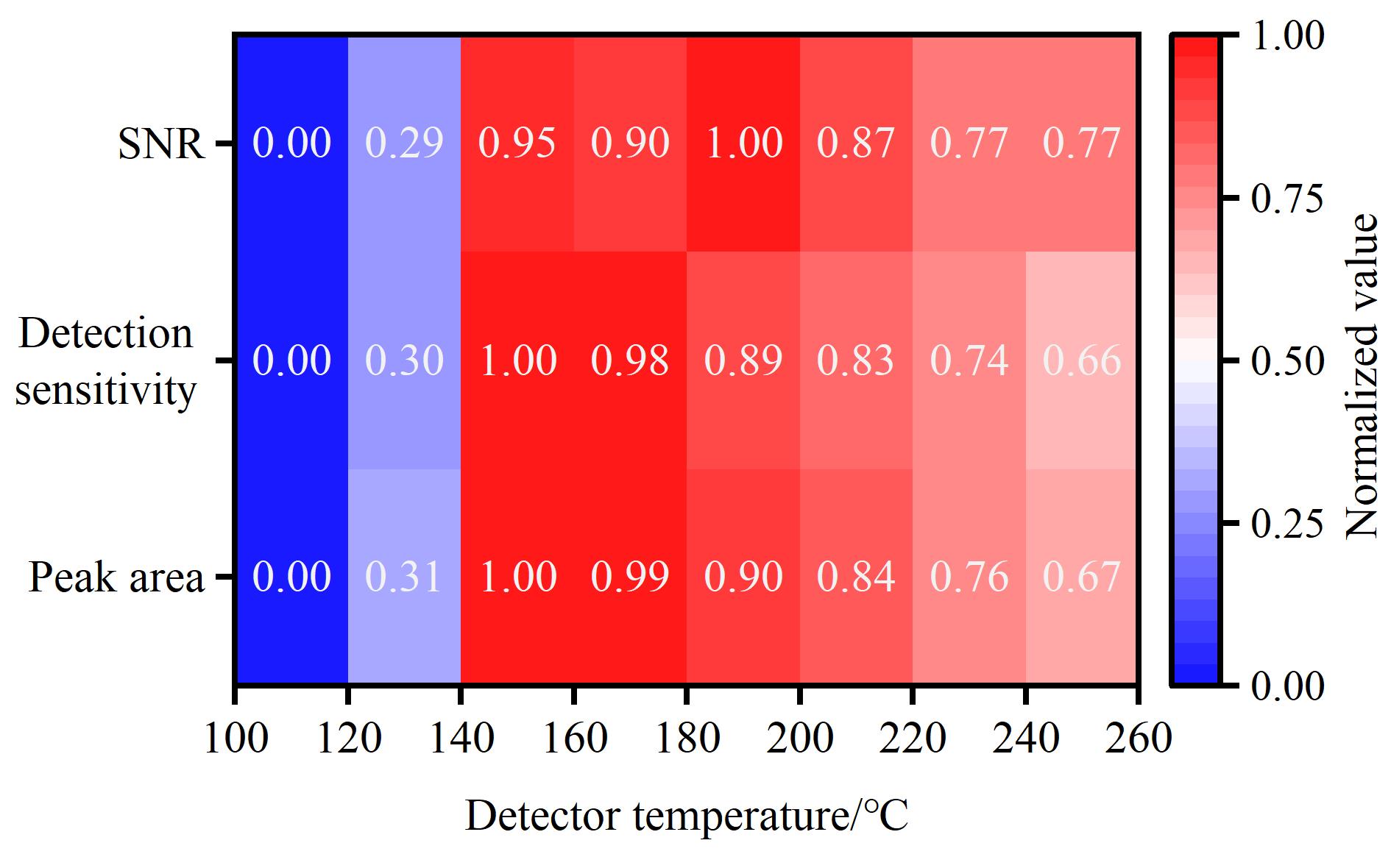
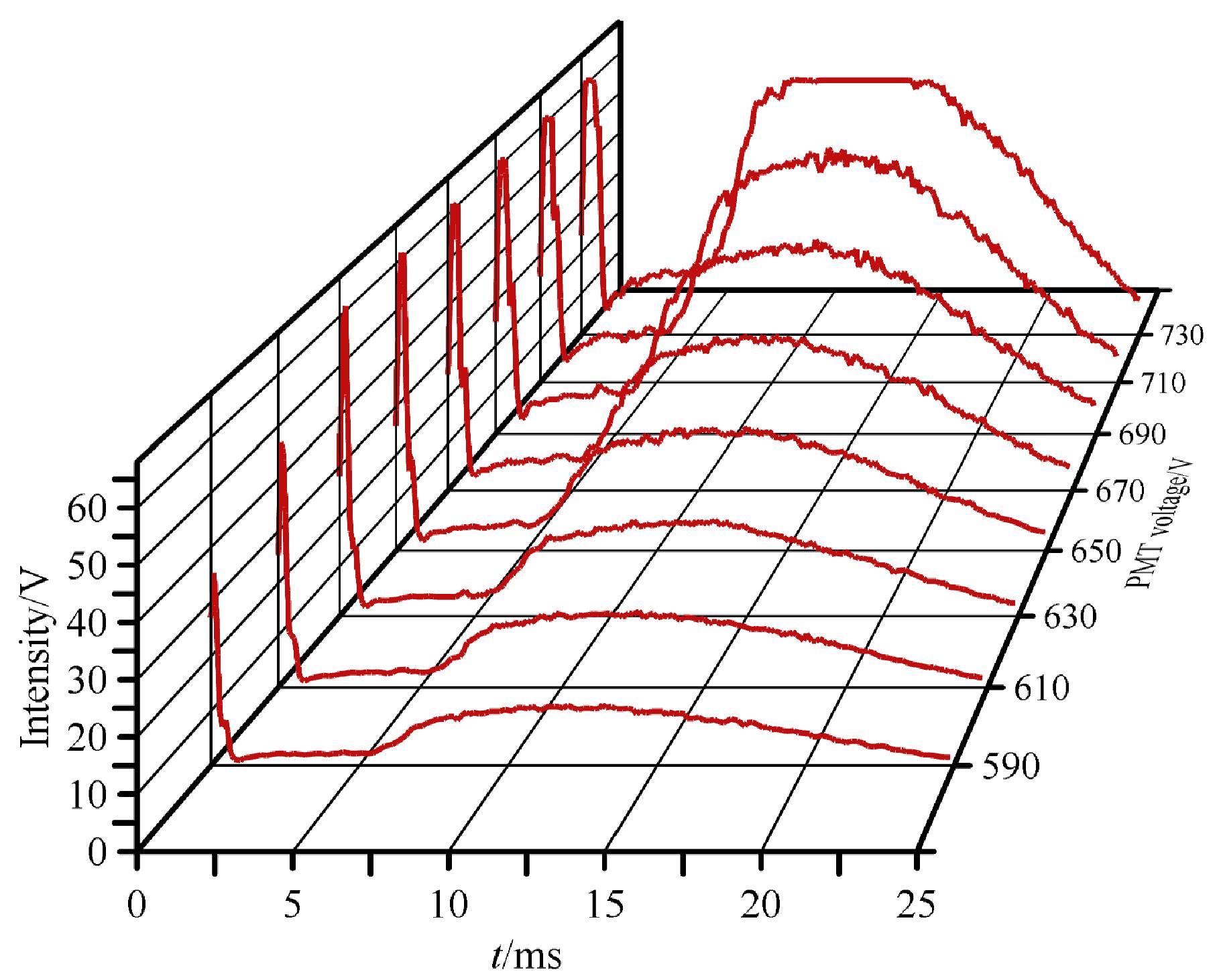
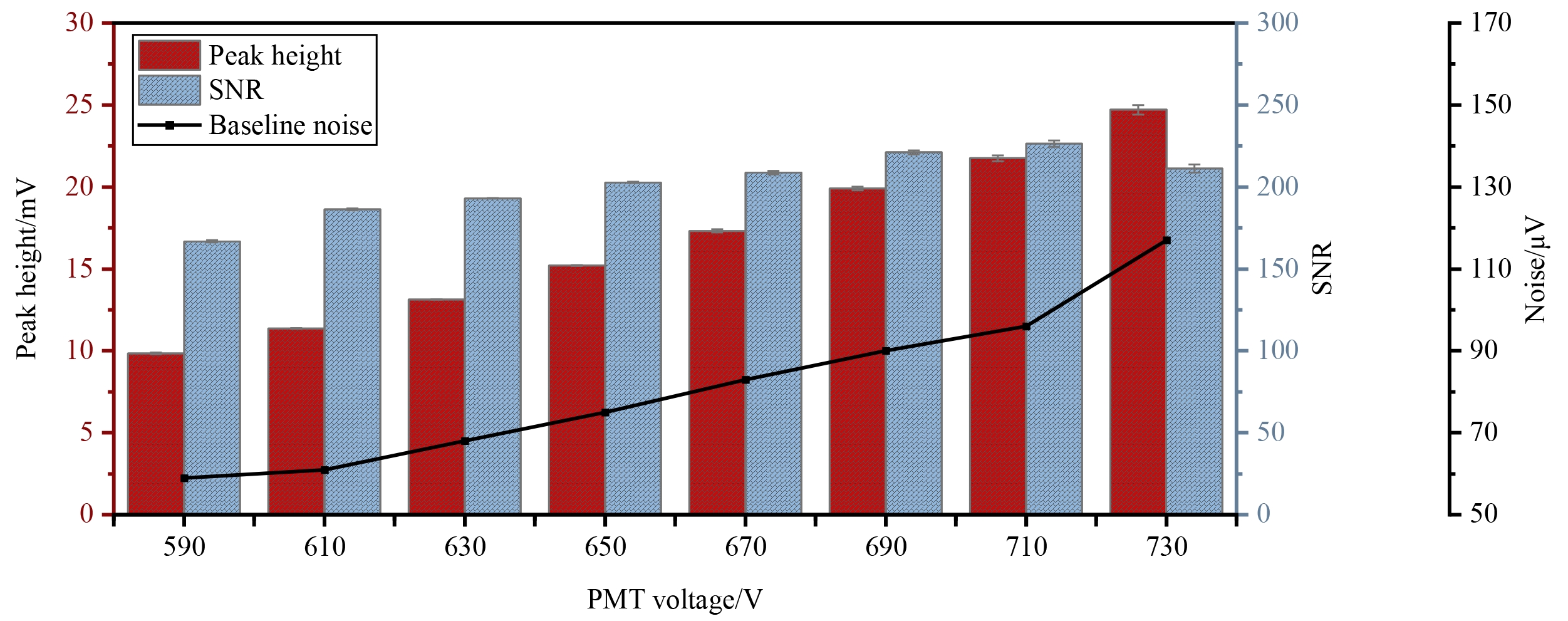
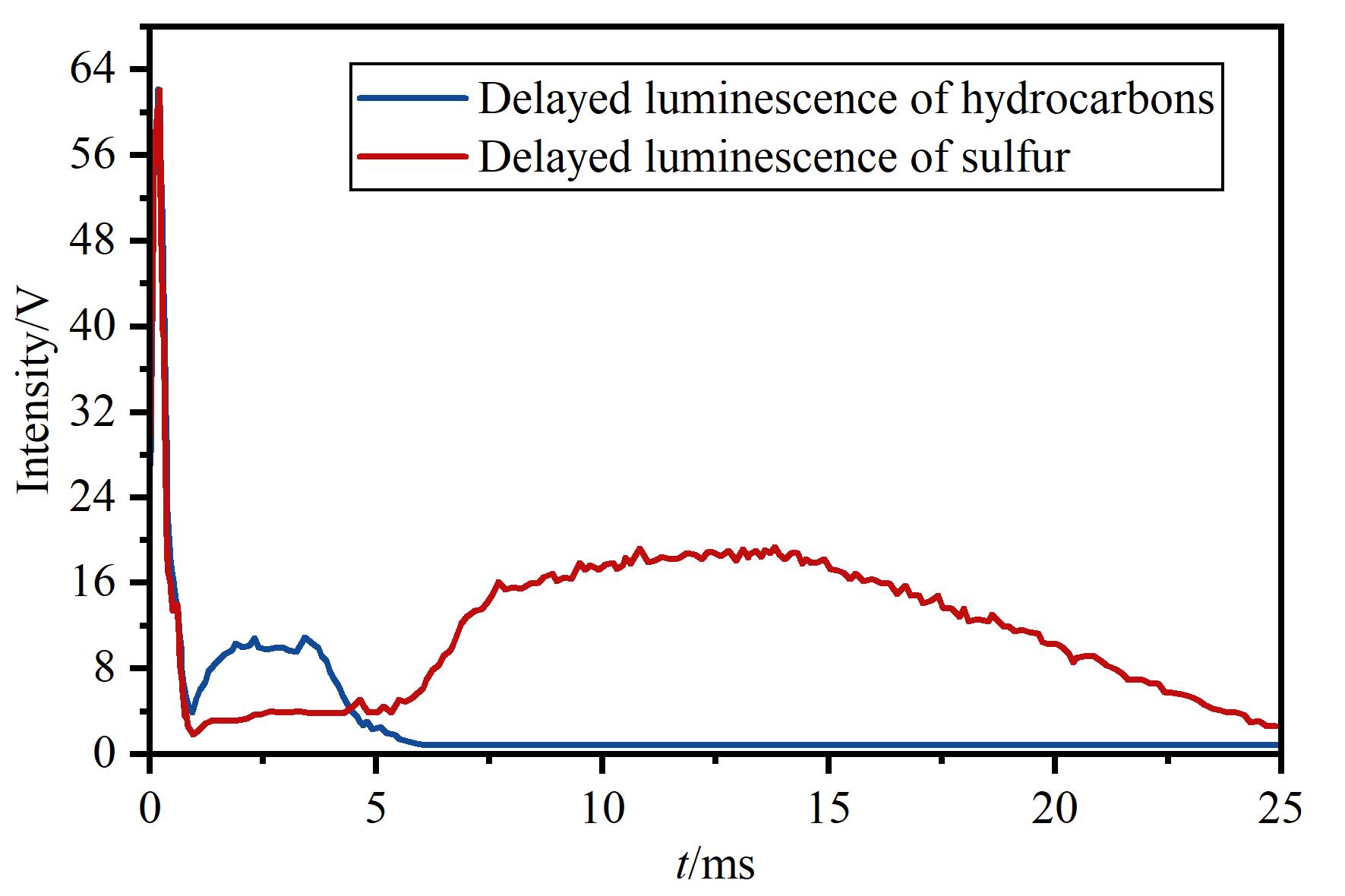
The conventional flame photometric detector (FPD) is widely used for sulfur-selective gas chromatography. However, the FPD is sensitive to hydrocarbon backgrounds. Its sulfur response also depends strongly on flame stability. These factors limit stable trace sulfur determination in complex matrices. A pulsed flame photometric detector (PFPD) provides a time-resolved approach to this problem. Sulfur emission appears later than most hydrocarbon background emissions after pulsed combustion. A suitable acquisition window can therefore improve sulfur selectivity. In this study, a high-sensitivity single-channel PFPD was designed and tested. The aim was to establish reproducible operating conditions for trace sulfur analysis. The detector consisted of five functional modules: the combustion and ignition module, the gas supply module, the optical collection and detection module, the temperature-control module, and the mechanical support and sealing module. The combustion zone consisted of a vertically mounted quartz chamber. The chamber had an outer diameter of 4 mm. Its inner diameter was 2 mm. Its total length was 17.5 mm. The effective combustion length was 12 mm. The calculated chamber volume was 37.68 mm3. Numerical simulation was used to examine flame propagation and self-extinction. A 12 mm effective length maintained a stable finger-shaped flame front. The flame was self-terminated near the lower limiting orifice at about 1.97 ms. The hydroxyl radical mass fraction decreased close to baseline within 5 ms, whereas the temperature decayed more gradually and approached its initial level at approximately 30 ms. These results supported the chamber design for periodic pulsed combustion. The optical unit used a quartz light guide and a BG-12 band-pass filter. The filter matched the sulfur emission band near 394 nm. A photomultiplier tube (PMT) recorded the time-resolved emission signal. Two electronic pneumatic control (EPC) units were used for gas regulation. One unit controlled hydrogen and air for the ignition chamber. The other unit controlled hydrogen and air for the combustion chamber. This design separated ignition conditions from analytical combustion conditions. It also reduced uncertainty caused by coupled gas adjustment. The optimization started with the ignition chamber. Then the combustion chamber was optimized under the fixed ignition baseline. Finally, detector temperature and PMT voltage were evaluated. Peak area, sensitivity, and signal-to-noise ratio (SNR) were used as indicators. Gas chromatographic tests used a sulfur-specific quartz capillary column. Nitrogen was used as the carrier gas. The gate delay was 6 ms. The gate width was 18 ms. The trigger level was 500 mV. A stable pulsed flame was obtained at an ignition-chamber hydrogen flow of 8.0 mL/min. The corresponding ignition-chamber air flow was 19.0 mL/min. Under this ignition baseline, the combustion chamber was further adjusted. A higher sulfur response was obtained at 5.0 mL/min hydrogen. The corresponding air flow was 3.7 mL/min. Detector temperature also affected the delayed sulfur emission. The response was low at 110-130 ℃. At about 150 ℃, the delayed sulfur signal was higher. Peak area and sulfur sensitivity were also higher at this temperature. Higher temperatures from 170 to 250 ℃ reduced the peak area and sensitivity. PMT voltage affected signal amplitude, SNR, and waveform fidelity. Increasing the voltage from 590 to 710 V improved the SNR. At 730 V, the delayed emission plateau showed peak clipping. This behavior indicated saturation or nonlinear response in the detection chain. Dynamic dilutions of a 10 μmol/mol hydrogen sulfide (H₂S) standard gas were used to evaluate the linear range. A 1.1 μmol/mol H₂S standard gas was used for the quantitative repeatability test and, after 30-fold dynamic dilution, for determination of the sulfur detection limit. The quantitative repeatability, evaluated from the peak areas of seven consecutive injections, was 0.37%. The sulfur detection limit was 4.1×10⁻1³ g/s, and the linear range spanned approximately two orders of magnitude. The developed PFPD showed stable pulsed combustion behavior. It also provided reliable quantitative response for trace sulfur detection. The dual-EPC design helped clarify the relationship between ignition and analytical combustion. The optimized conditions provide an experimental basis for self-developed PFPD systems.

Key words: pulsed flame photometric detector (PFPD), delayed sulfur emission, quantitative repeatability, sulfur detection limit, linear range

中图分类号: