色谱 ›› 2026, Vol. 44 ›› Issue (9): 1082-1089.DOI: 10.3724/SP.J.1123.2025.10028

• 教学研究 • 上一篇    下一篇

现代仪器分析课程开放性实验:生物质衍生功能材料的制备及其对水环境中抗生素的富集应用

雷霄云1, 靳玲侠1, 吴晓苹2,*()   

  1. 1.陕西理工大学化学与环境科学学院,陕西 汉中 723001
    2.福州大学化学学院,福建 福州 350116
  • 收稿日期:2025-10-29 出版日期:2026-09-08 发布日期:2026-09-17
  • 通讯作者: *Tel:0591-22866151,E-mail:wapple@fzu.edu.cn.
  • 作者简介:

    本文为“样品前处理分离富集技术在教学中的应用与探讨专辑”稿件.

  • 基金资助:
    陕西理工大学博士科研启动基金(SLGRCQD004);福建省自然科学基金(2022J01539);陕西省重点研发计划项目(2026NC-YBXM-242)

Open experiment of modern instrumental analysis course: preparation of biomass-derived functional materials and their enrichment application of antibiotics in water environment

LEI Xiaoyun1, JIN Lingxia1, WU Xiaoping2,*()   

  1. 1.School of Chemistry and Environmental Science,Shaanxi University of Technology,Hanzhong 723001,China
    2.College of Chemistry,Fuzhou University,Fuzhou 350116,China
  • Received:2025-10-29 Online:2026-09-08 Published:2026-09-17
  • Supported by:
    Doctor Research Start Foundation of Shaanxi University of Technology(SLGRCQD004);Natural Science Foundation of Fujian Province(2022J01539);Shaanxi Provincial Key Research and Development Program Project(2026NC-YBXM-242)

摘要:

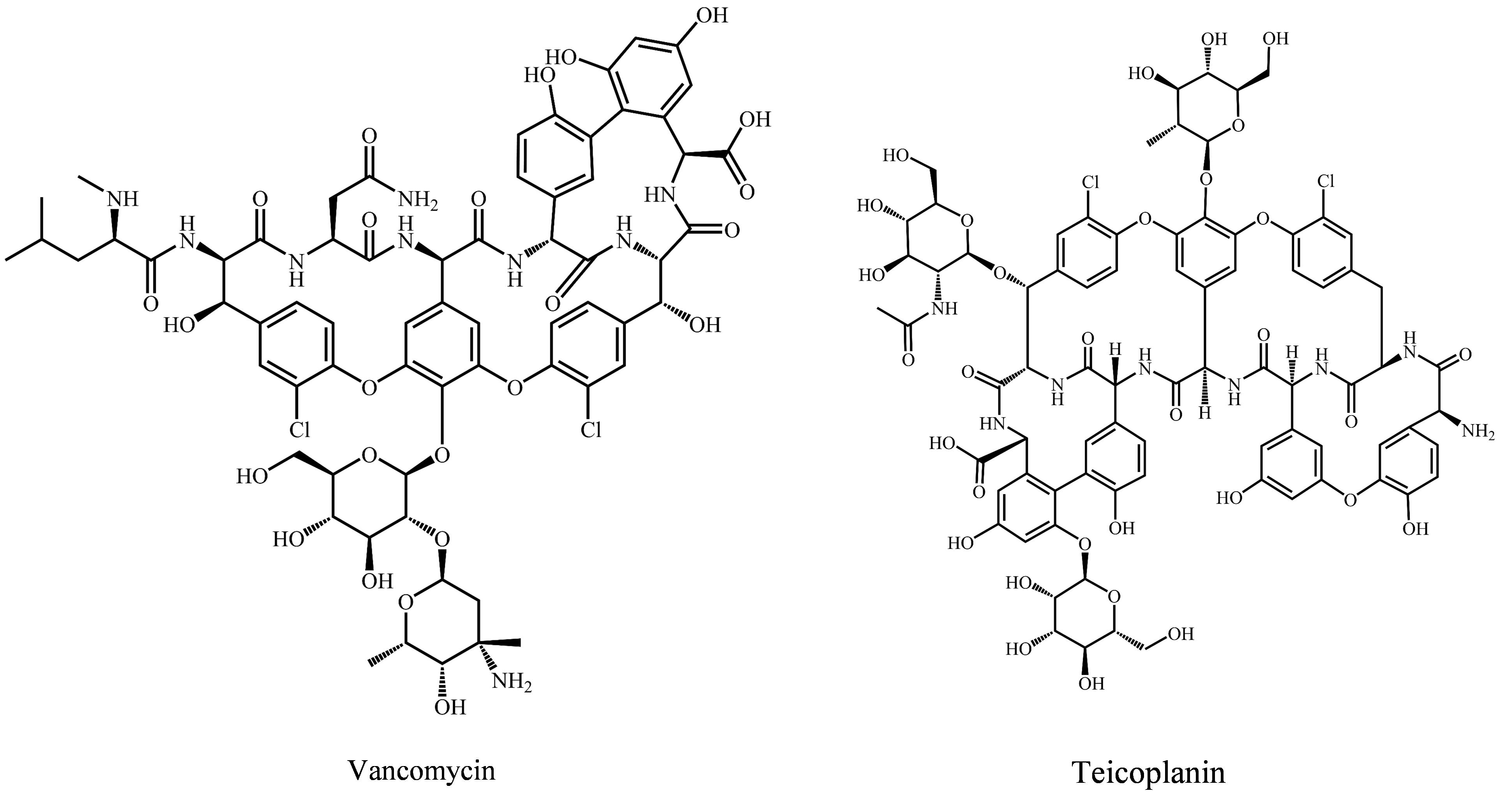
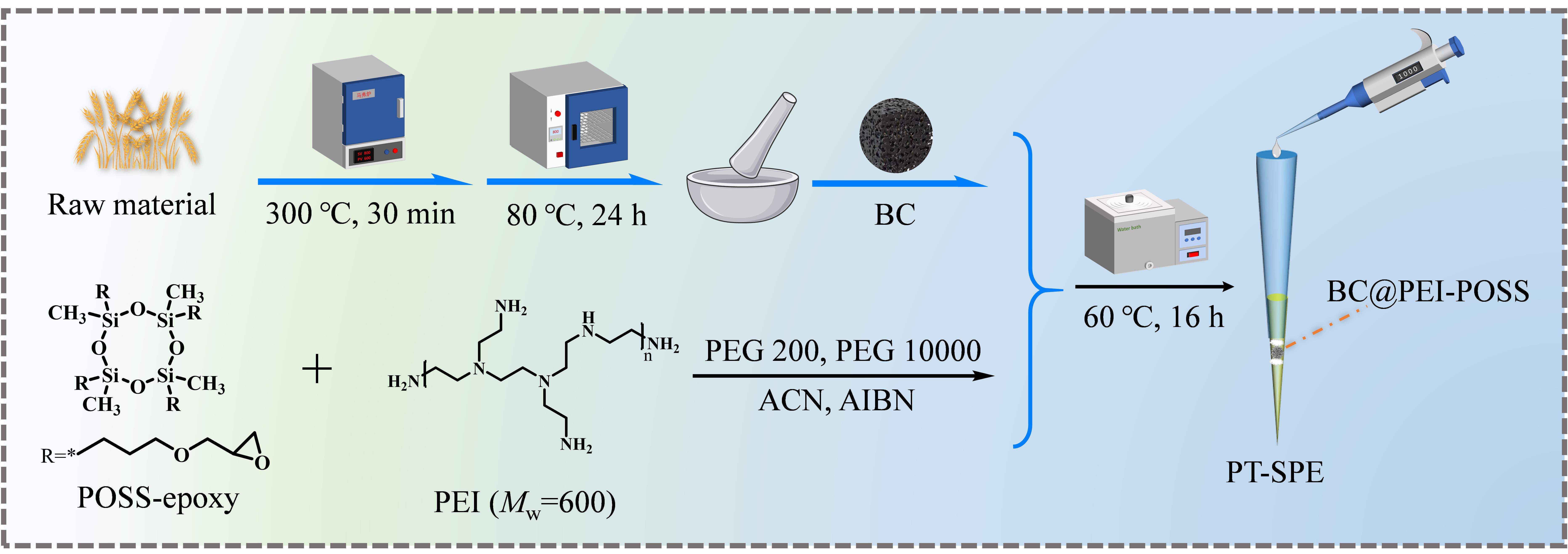
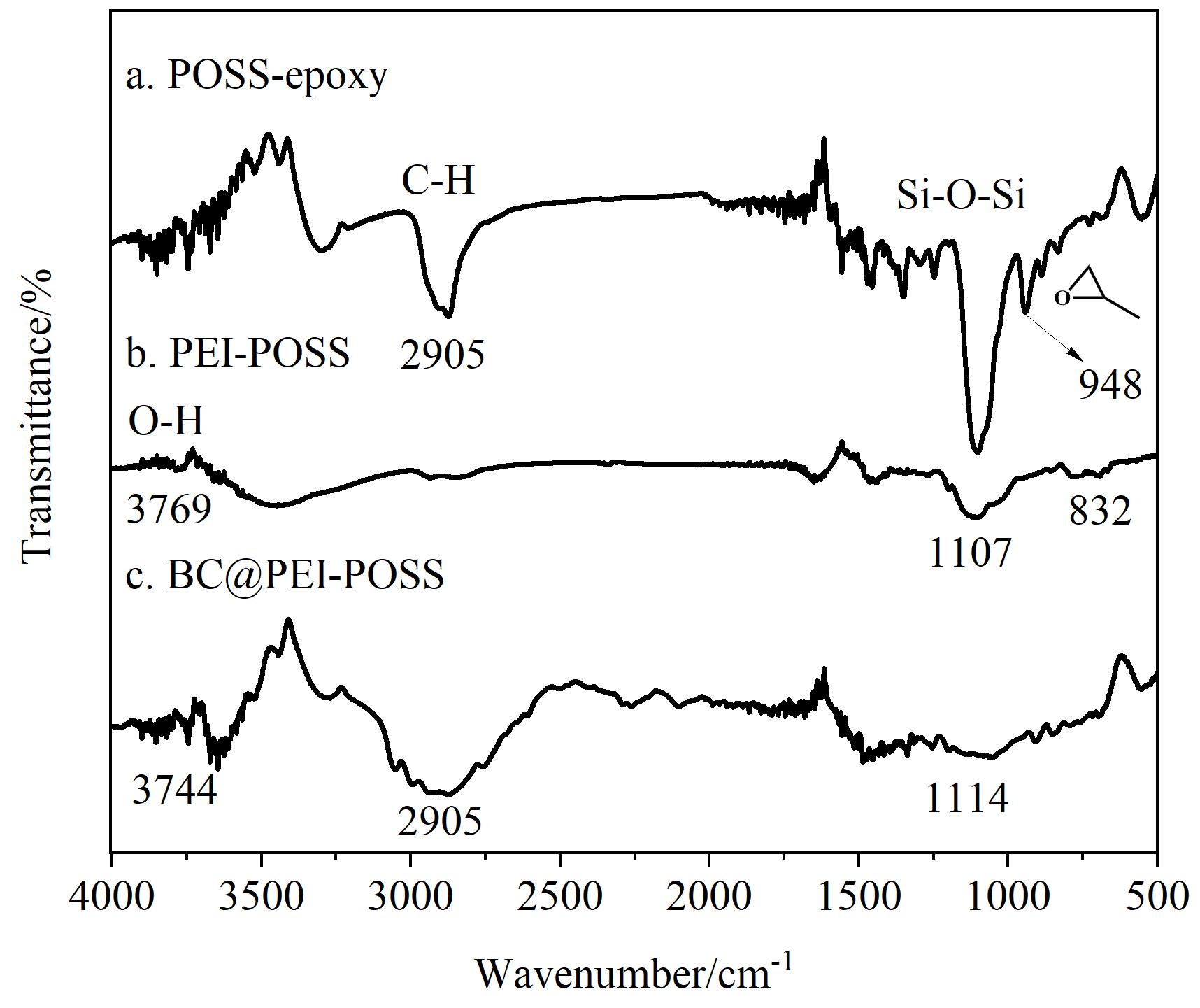
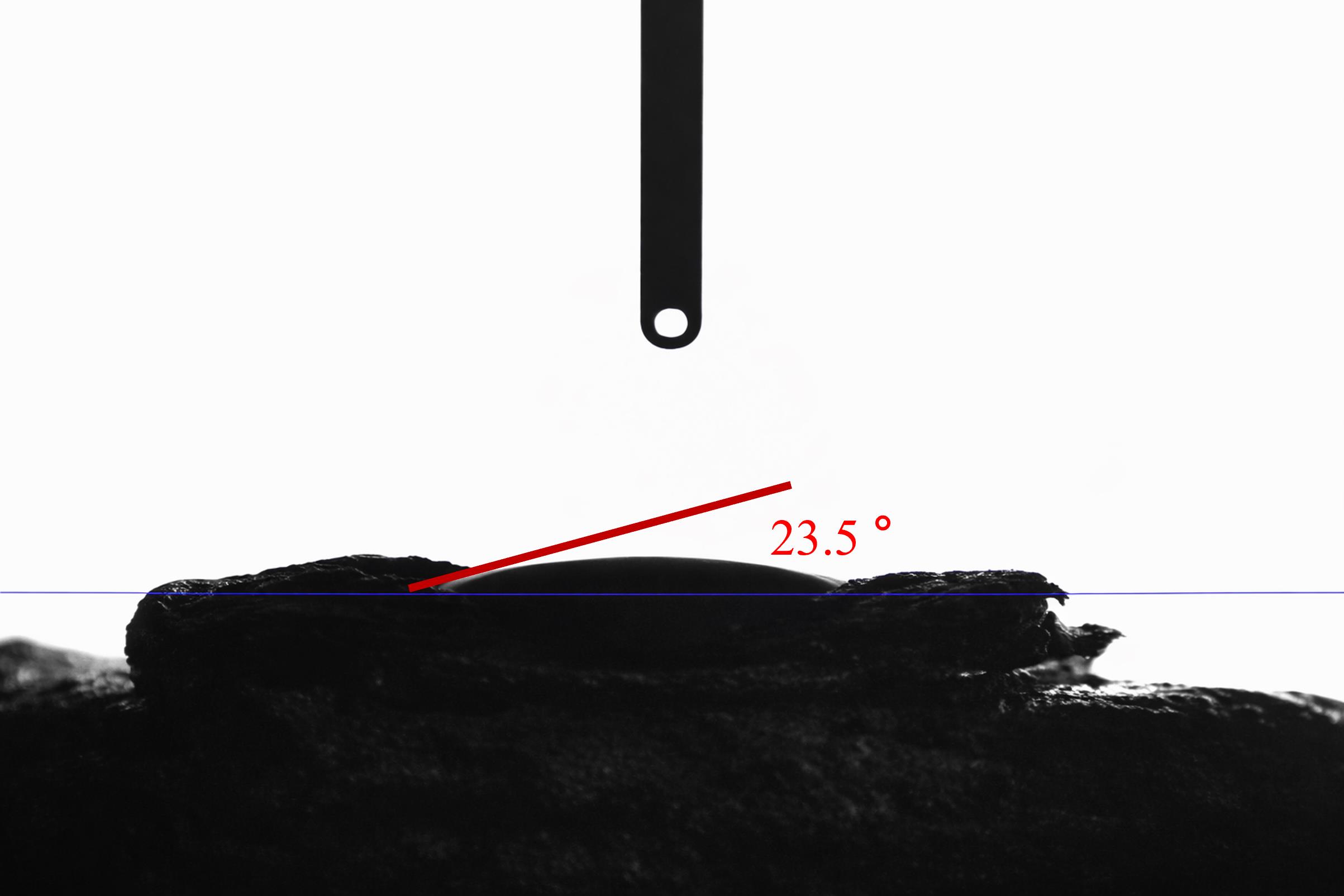
为培养化学及相关专业高年级本科学生的系统思维与创新能力,本项目设计了一个以生物质衍生功能材料的制备、表征与应用为主线的开放性实验,结合了生物炭材料制备、聚合物合成等关键实验操作,并采用扫描电子显微镜、红外光谱及水接触角测试对材料结构与亲疏水性进行表征;在应用环节中,进一步利用自制材料吸附实际水样中的糖肽类抗生素,并结合高效液相色谱法完成定量分析。在实验过程中,学生将深化对多学科知识的融合运用,学习和掌握从样品前处理到仪器分析的全分析流程技能,提升材料制备、仪器操作与数据分析的综合能力,通过该实践切实理解分析技术在环境治理和监测中的应用,全面提高发现和解决复杂化学问题的创新素质。此外,这一开放性实验的开展,也有助于推进生物质材料资源化利用,符合当前低碳经济的需求。

关键词: 现代仪器分析, 开放性实验, 生物质衍生聚合物, 固相萃取, 水体污染物

Abstract:

To cultivate systematic thinking and innovation capabilities in senior undergraduate students majoring in chemistry and related fields, this project proposes an open-ended experiment that focuses on the preparation, characterization, and application of biomass-derived functional materials. The experiment incorporates essential procedures such as the preparation of biochar materials and the polymer synthesis. Characterization of the material’s structure and hydrophilicity/hydrophobicity is performed using scanning electron microscopy, infrared spectroscopy, and water contact angle measurements. During the application phase, the self-prepared materials are utilized to adsorb glycopeptide antibiotics from real water samples, followed by quantitative analysis using high performance liquid chromatography. Throughout the experiment, students will enhance their ability to integrate multidisciplinary knowledge, master skills across the entire analytical workflow—from sample pretreatment to instrumental analysis—while also improving their competencies in material preparation, instrument operation, and data analysis. Through this hands-on practice, students will develop a practical understanding of the application of analytical technologies in environmental remediation and monitoring, thereby strengthening their innovative capacity to identify and solve complex chemical problems. Furthermore, the implementation of this open-ended experiment contributes to advancing the resource utilization of biomass materials, aligning with the demands of a low-carbon economy.

Key words: modern instrumental analysis, open-ended experiment, biomass-derived polymer, solid-phase extraction, water pollutants

中图分类号: