色谱 ›› 2026, Vol. 44 ›› Issue (7): 785-794.DOI: 10.3724/SP.J.1123.2025.10031

• 研究论文 • 上一篇    下一篇

1,3-二油酸-2-棕榈酸甘油三酯纯度标准物质定值技术

王馨宇1,2, 王莹1,2, 徐梦倩2,3, 周霞2,3, 初红涛1,*(), 张庆合2,3, 李秀琴2,3,*()   

  1. 1.齐齐哈尔大学化学与化学工程学院,黑龙江 齐齐哈尔 161006
    2.中国计量科学研究院化学计量与分析科学研究所,北京 100029
    3.国家市场监督管理总局重点实验室(营养与健康化学计量及应用),北京 100029
  • 收稿日期:2025-12-14 出版日期:2026-07-08 发布日期:2026-07-09
  • 通讯作者: *E-mail:lange1979@163.com(初红涛) Tel:010-64524784,E-mail:lixq@nim.ac.cn(李秀琴).
  • 基金资助:
    国家重点研发计划课题(2022YFF0710401)

Value assignment technology for 1,3-oleic-2-palmitic triglyceride purity reference material

WANG Xinyu1,2, WANG Ying1,2, XU Mengqian2,3, ZHOU Xia2,3, CHU Hongtao1,*(), ZHANG Qinghe2,3, LI Xiuqin2,3,*()   

  1. 1.College of Chemistry and Chemical Engineering,Qiqihar University,Qiqihar 161006,China
    2.Division of Chemical Metrology and Analytical Science,National Institute of Metrology,Beijing 100029,China
    3.Key Laboratory of Chemical Metrology and Applications on Nutrition and Health,State Administration for Market Regulation,Beijing 100029,China
  • Received:2025-12-14 Online:2026-07-08 Published:2026-07-09
  • Supported by:
    National Key R&D Program Project(2022YFF0710401)

摘要:

1,3-二油酸-2-棕榈酸甘油三酯(OPO)作为婴幼儿配方乳粉中允许添加的营养强化剂受到了广泛关注,亟需研制高纯标准物质以满足相关检测的计量溯源要求。本文系统研究了用于OPO标准物质研制的质量平衡法与定量核磁共振波谱法两种不同原理的定值技术。质量平衡法中,采用高效液相色谱-电雾式检测器对4个结构类似的微量杂质准确定量,同时对原料中的水分、挥发性有机溶剂残留、不挥发性杂质等进行定量分析,通过杂质扣减法得到OPO纯度为98.51%;定量核磁共振波谱法中,对氘代溶剂、内标物、定量峰进行优化,选择化学位移2.33(OPO)和6.88(尼泊金乙酯)作为定量峰对主成分含量直接测定,得到OPO纯度为98.82%;两种定值方法准确可靠,定值结果一致性好,可用于对OPO纯度标准物质的定值。同时对OPO标准物质候选物的均匀性、稳定性进行监测,对定值方法以及不均匀性和不稳定性引入的不确定度进行了评估。结果表明:OPO纯度标准值为98.7%,相对扩展不确定度为0.7%(k=2,k为包含因子),该标准物质的成功研制为相关检测提供了溯源标准。

关键词: 1, 3-二油酸-2-棕榈酸甘油三酯, 纯度标准物质, 定值技术, 高效液相色谱-电雾式检测器, 定量核磁共振波谱法

Abstract:

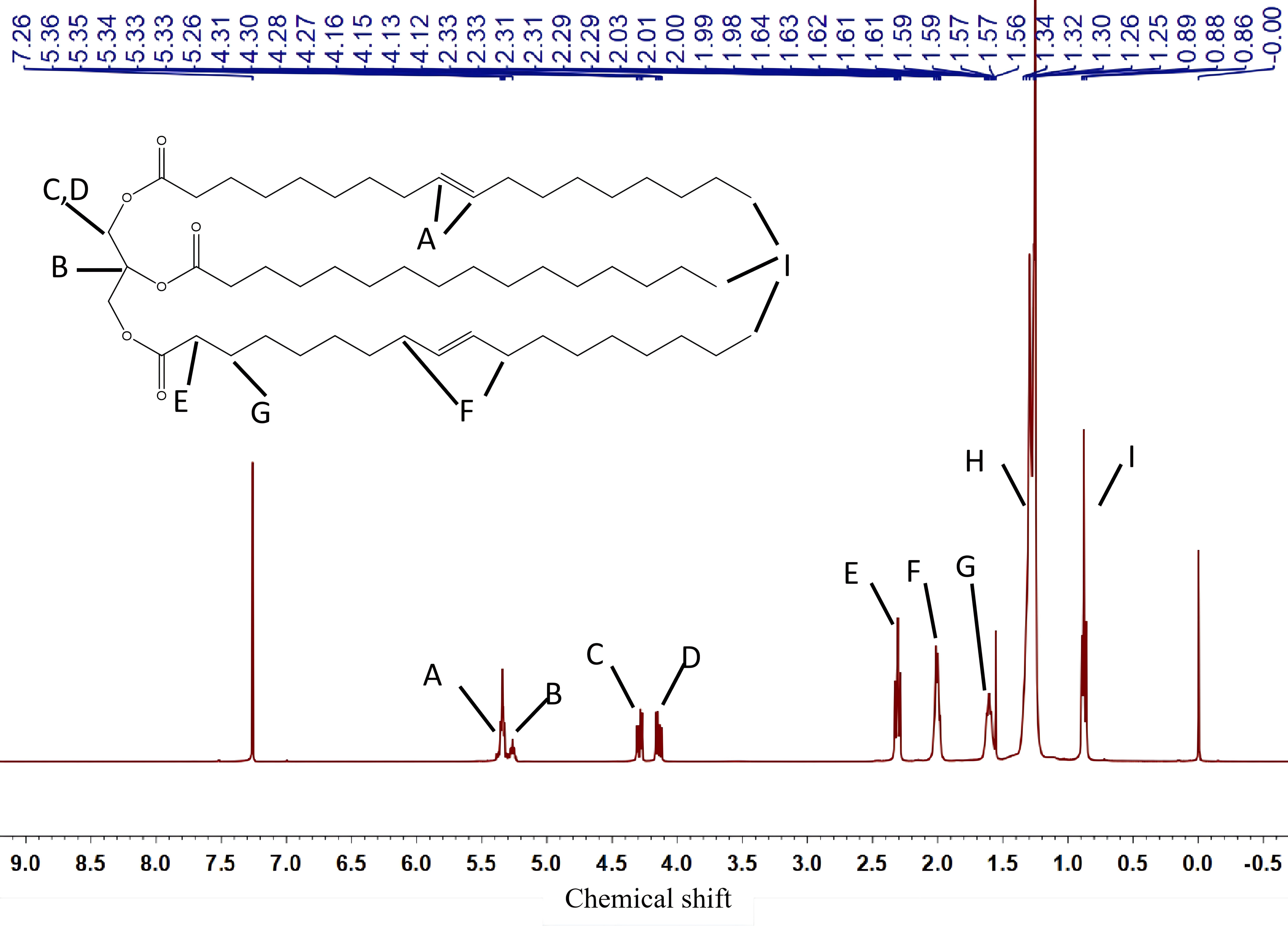
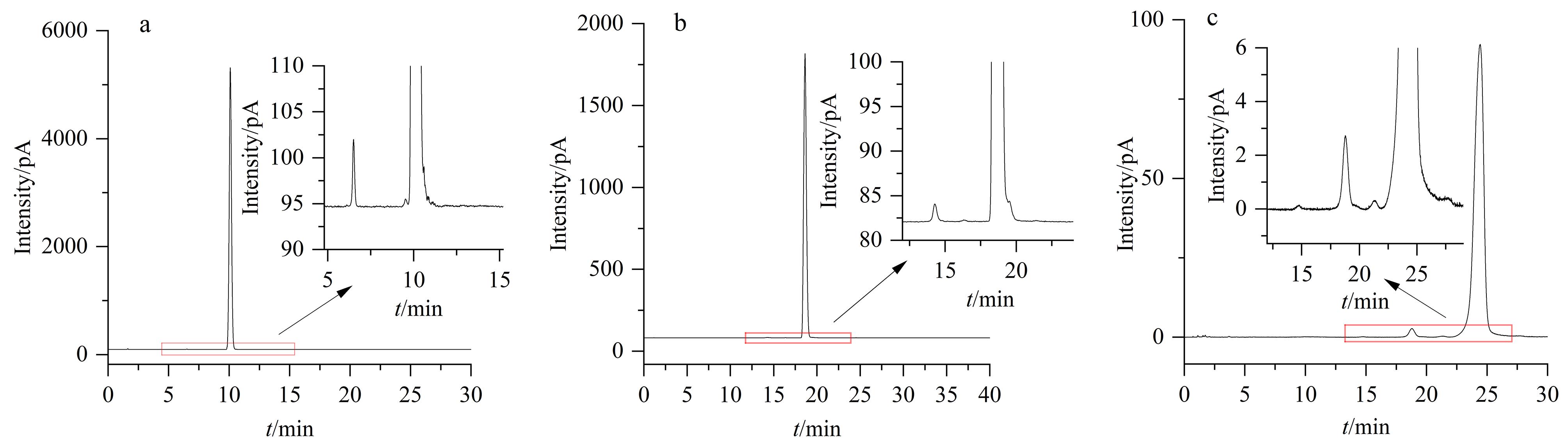
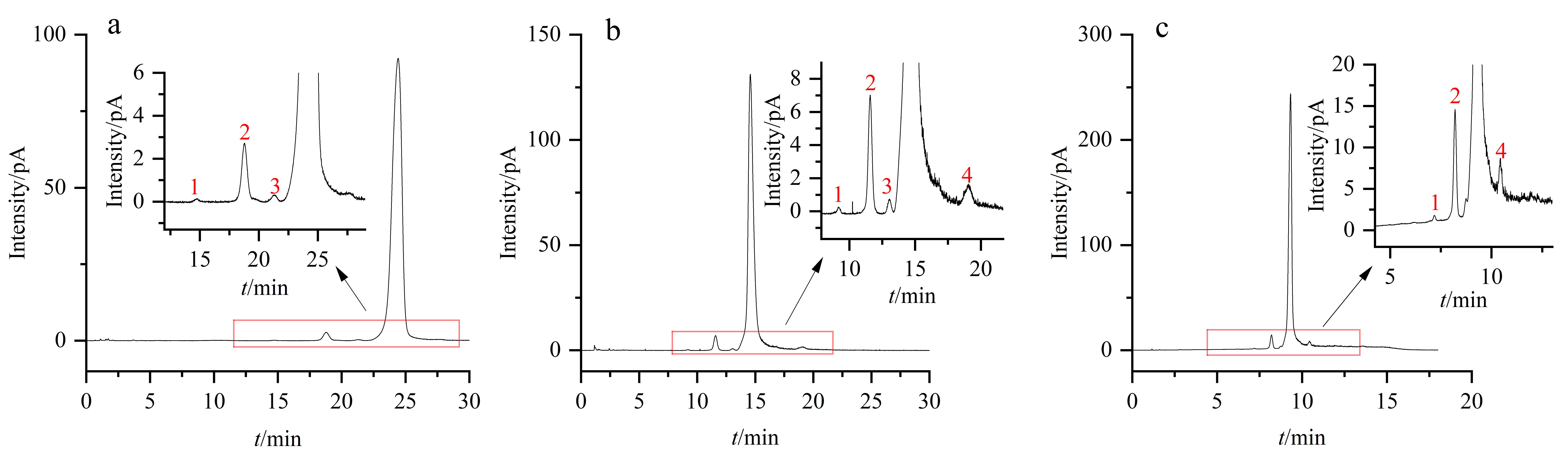
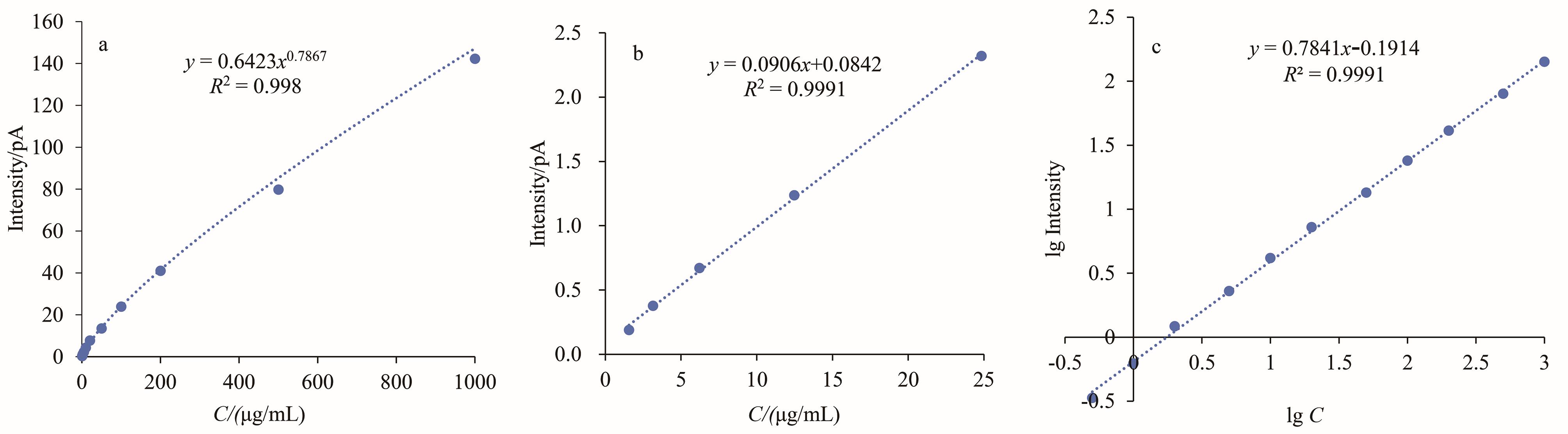
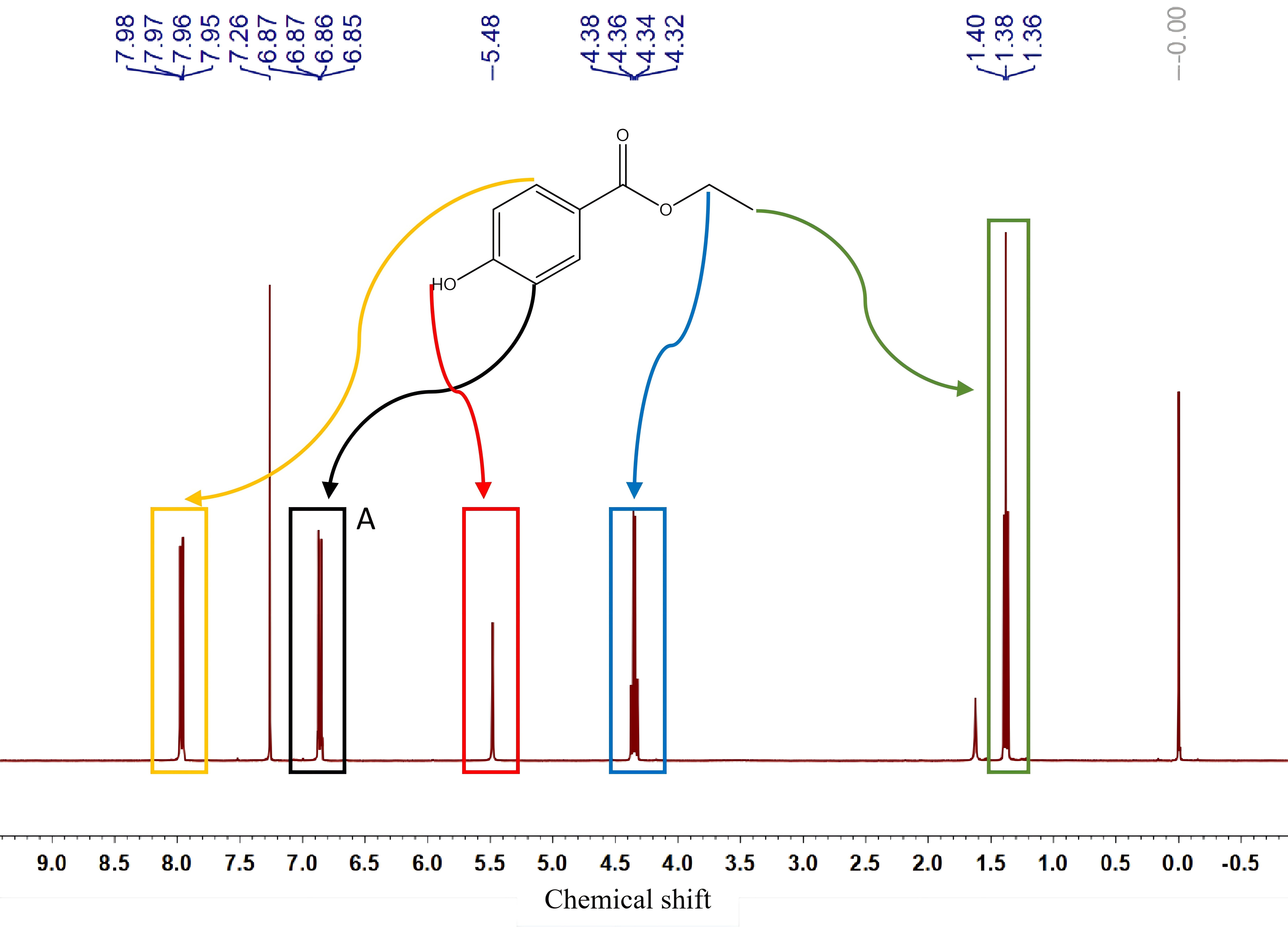
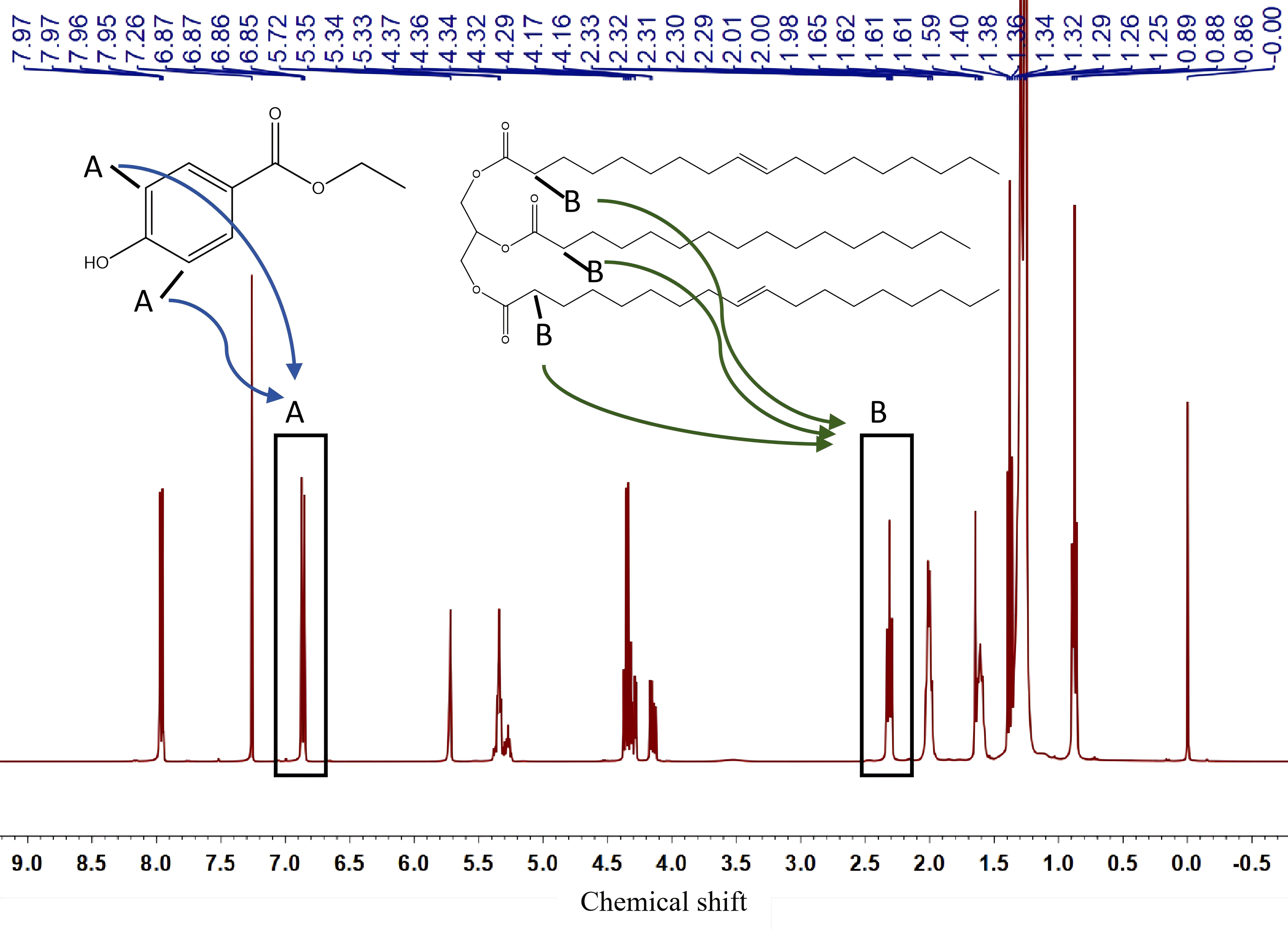
1,3-Oleic-2-palmitic triglyceride (OPO) has received widespread attention as a nutritional fortifier allowed to be added to infant formulas, and there is an urgent need to develop high-purity certified reference material (CRM) to meet the metrological traceability requirements of relevant tests. Value assignment methods for pure materials are a key technical challenge in the development of high-purity CRMs. The commonly used mass balance (MB) method indirectly determines the purity of the material by subtracting impurities, which involves the accurate quantification of structurally similar impurities, moisture, volatile solvents, and non-volatile impurities. Among these steps, the separation and analysis of structurally similar impurities of the main component are the key to MB method. Owing to the lack of ultraviolet/fluorescence chromophores, OPO cannot be effectively detected by liquid chromatography with terminal absorption (190–210 nm); this technique lacks sufficient sensitivity for low-level related impurities. Therefore, with a universal detector, this study established a high performance liquid chromatography-charged aerosol detector (HPLC-CAD) method for the analysis of structural analogue impurities in OPO, and applied the mass balance method to certify the purity of the reference material. On the other hand, based on quantitative nuclear magnetic resonance (qNMR) technology, a qNMR purity assignment method for OPO purity was established by optimizing key parameters such as NMR internal standards and quantitative peaks. In the mass balance method, an HPLC-CAD was selected as the core technique for quantifying trace structurally similar impurities of OPO. The chromatographic conditions were as follows: Nova Pak C8 column (150 mm×3.9 mm, 4 μm), acetonitrile-isopropanol (90∶10, volume ratio) at a flow rate of 1.0 mL/min, sample dissolved in n-hexane-isopropanol (1∶1, volume ratio) at a mass concentration of 2.0 mg/mL with an injection volume of 5 μL. Under these conditions, four structurally related trace impurities were baseline-separated and accurately quantified. Method validation showed that in the mass concentration range of 0.001-0.025 mg/mL, good linear relationship was obtained (R²=0.999 1). The limits of detection (LOD) and quantification (LOQ) were 0.000 5 mg/mL and 0.001 mg/mL, respectively, meeting the requirements for quantitative analysis. Six replicate measurements gave an average total impurity content of 1.23% (standard deviation 0.03%), corresponding to an OPO main component content of 98.77%. In addition, Karl Fischer coulometric titration was used to determine moisture content, headspace gas chromatography-flame ionization detection (HS-GC-FID) was used to analyze residual volatile organic solvents (VOC), and thermogravimetric analysis was used to determine non-volatile impurities. The purity of OPO was calculated as 98.51% by subtracting related impurities, moisture, VOC and non-volatile residues. In qNMR, direct and accurate quantification of the main component was achieved by optimizing key parameters: deuterated chloroform was selected as the solvent; ethyl paraben was used as the internal standard; selected chemical shifts of 2.33 (OPO) and 6.88 (ethyl paraben) as quantitative peaks. Accurately weigh approximately 10.0 mg of OPO and 3.0 mg of the internal standard in a brown bottle, dissolved in 0.50 mL of deuterated chloroform, and transferred to a 5 mm NMR tube. After six parallel measurements, the average purity of OPO was calculated to be 98.82%, with a standard deviation of 0.21%. Additionally, the homogeneity and stability of the candidate high-purity OPO reference material were evaluated. The uncertainties introduced by value assignment, inhomogeneity, and instability were evaluated. The results showed that the certified purity value of OPO was 98.7%, with a relative expanded uncertainty of 0.7% (k=2,where k is the coverage factor corresponding to a confidence probability of approximately 95% under the normal distribution). The successful development of this certified reference material provides a traceability standard for relevant detections and fills the gap in OPO purity reference material.

Key words: 1, 3-oleic-2-palmitic triglyceride (OPO), purity reference materials, value assignment, high performance liquid chromatography-charged aerosol detector (HPLC-CAD), quantitative nuclear magnetic resonance (qNMR)

中图分类号: