色谱 ›› 2026, Vol. 44 ›› Issue (8): 968-978.DOI: 10.3724/SP.J.1123.2025.09001

• 研究论文 • 上一篇    下一篇

基于内部萃取电喷雾电离质谱法的不同产地生姜主要差异成分分析

王慧婷1, 谢斯瑜1, 谢晶晶1, 吴若天1, 秦嫚嫚2,*(), 陈焕文1,*   

  1. 1.江西中医药大学,恶性肿瘤中医药诊疗与康复江西省重点实验室,江西 南昌 330004
    2.河南中医药大学第三附属医院药学部,河南 郑州 450000
  • 收稿日期:2025-09-08 出版日期:2026-08-08 发布日期:2026-07-30
  • 通讯作者: *Tel:0791-87118089,E-mail:MM_7080@163.com(秦嫚嫚); Tel:0791-87118866,E-mail:chw8868@gmail.com(陈焕文).
  • 基金资助:
    中药学一流学科高层次人才项目(13030599);2023年名贵中药资源可持续利用能力建设项目(2060302-2303-17)

Determination of the key characteristic components in ginger from different origins by internal extractive electrospray ionization mass spectrometry

WANG Huiting1, XIE Siyu1, XIE Jingjing1, WU Ruotian1, QIN Manman2,*(), CHEN Huanwen1,*   

  1. 1.Key Laboratory for Diagnosis,Treatment,and Rehabilitation of Cancer using Chinese Medicine,Jiangxi University of Chinese Medicine,Nanchang 330004,China
    2.Department of Pharmacy,the Third Affiliated Hospital of Henan University of Chinese Medicine,Zhengzhou 450000,China
  • Received:2025-09-08 Online:2026-08-08 Published:2026-07-30
  • Supported by:
    High-level Talents of Chinese Medicine(13030599);Sustainable Utilization Capacity Building Project of Rare Traditional Chinese Medicine Resources in 2023(2060302-2303-17)

摘要:

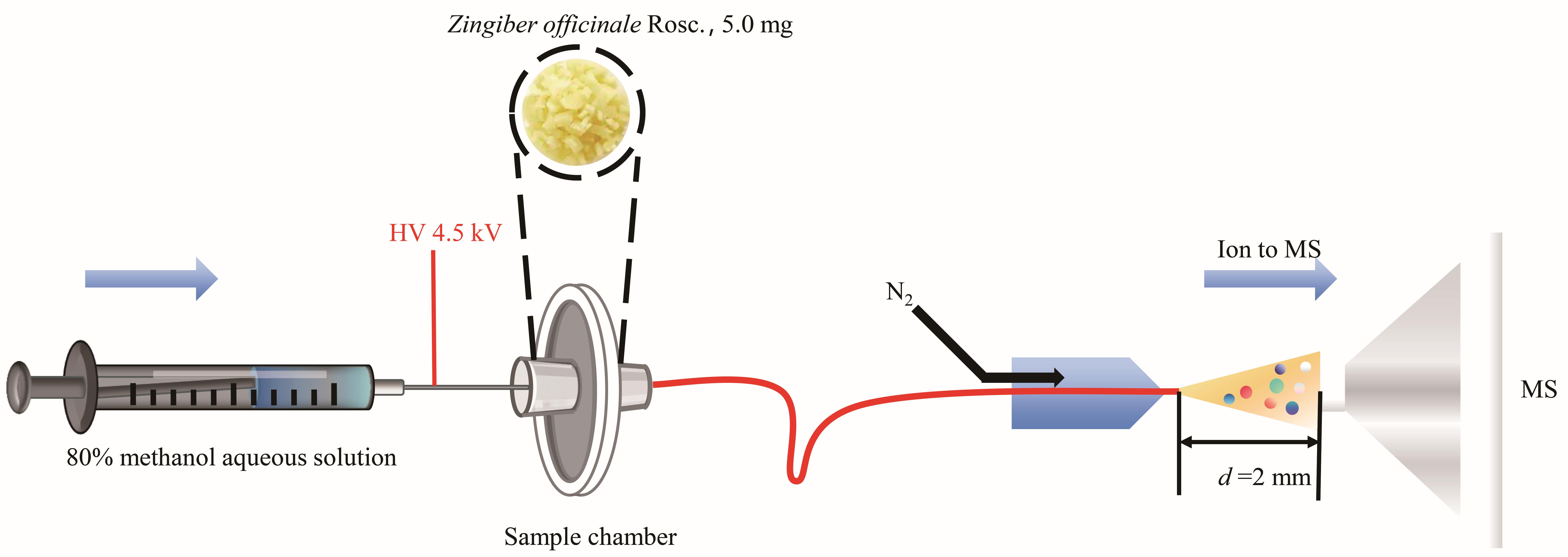
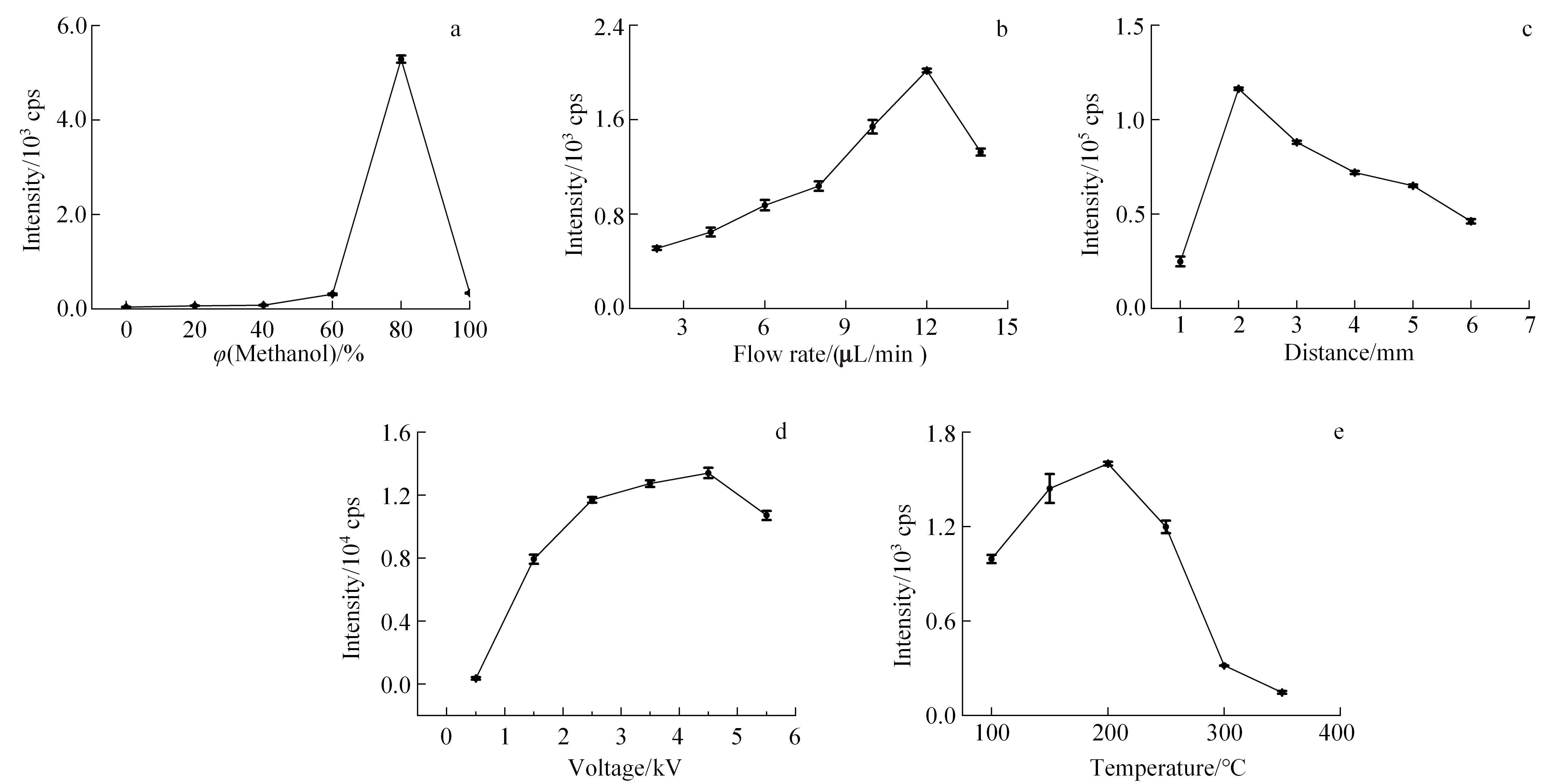
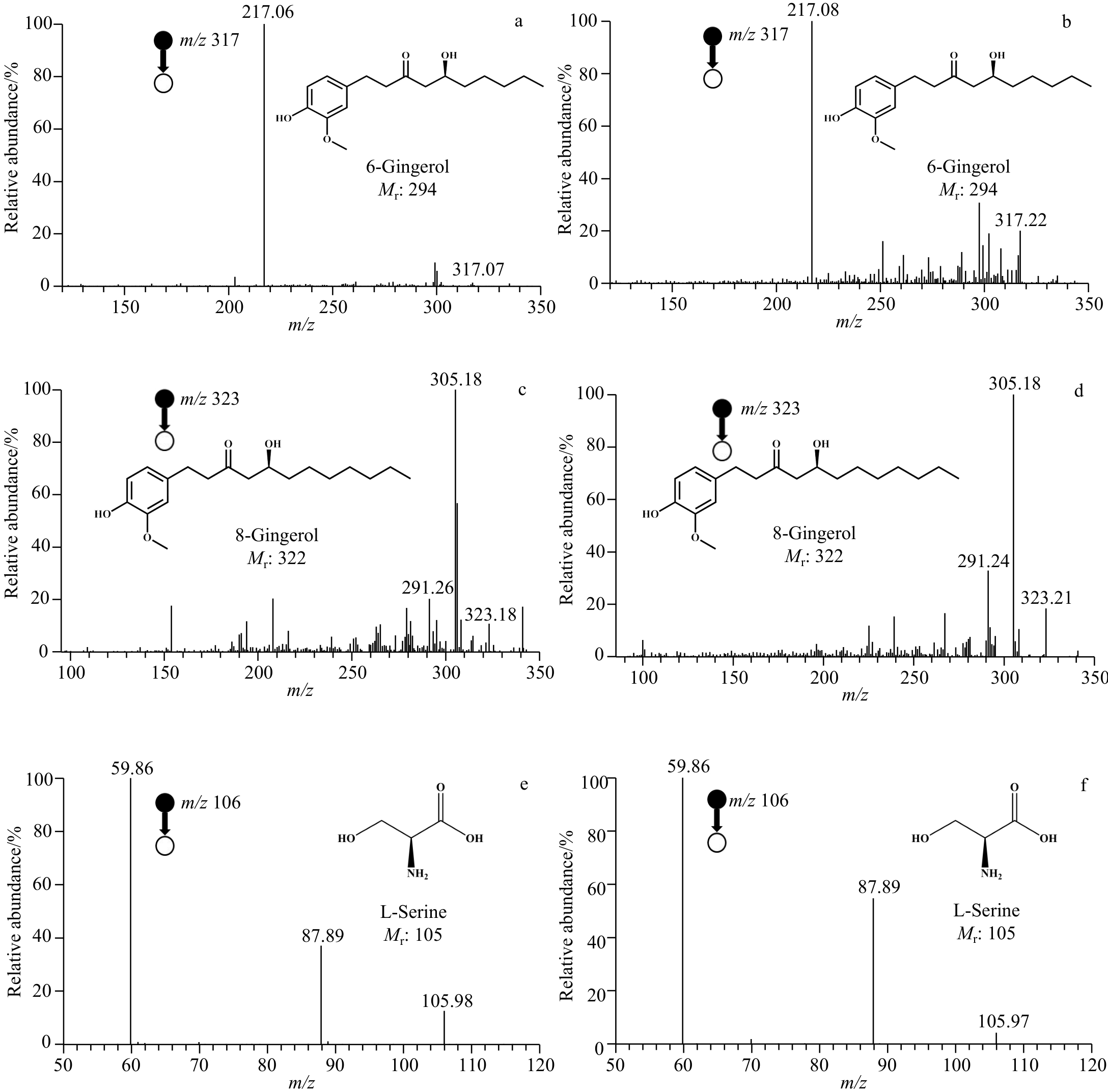
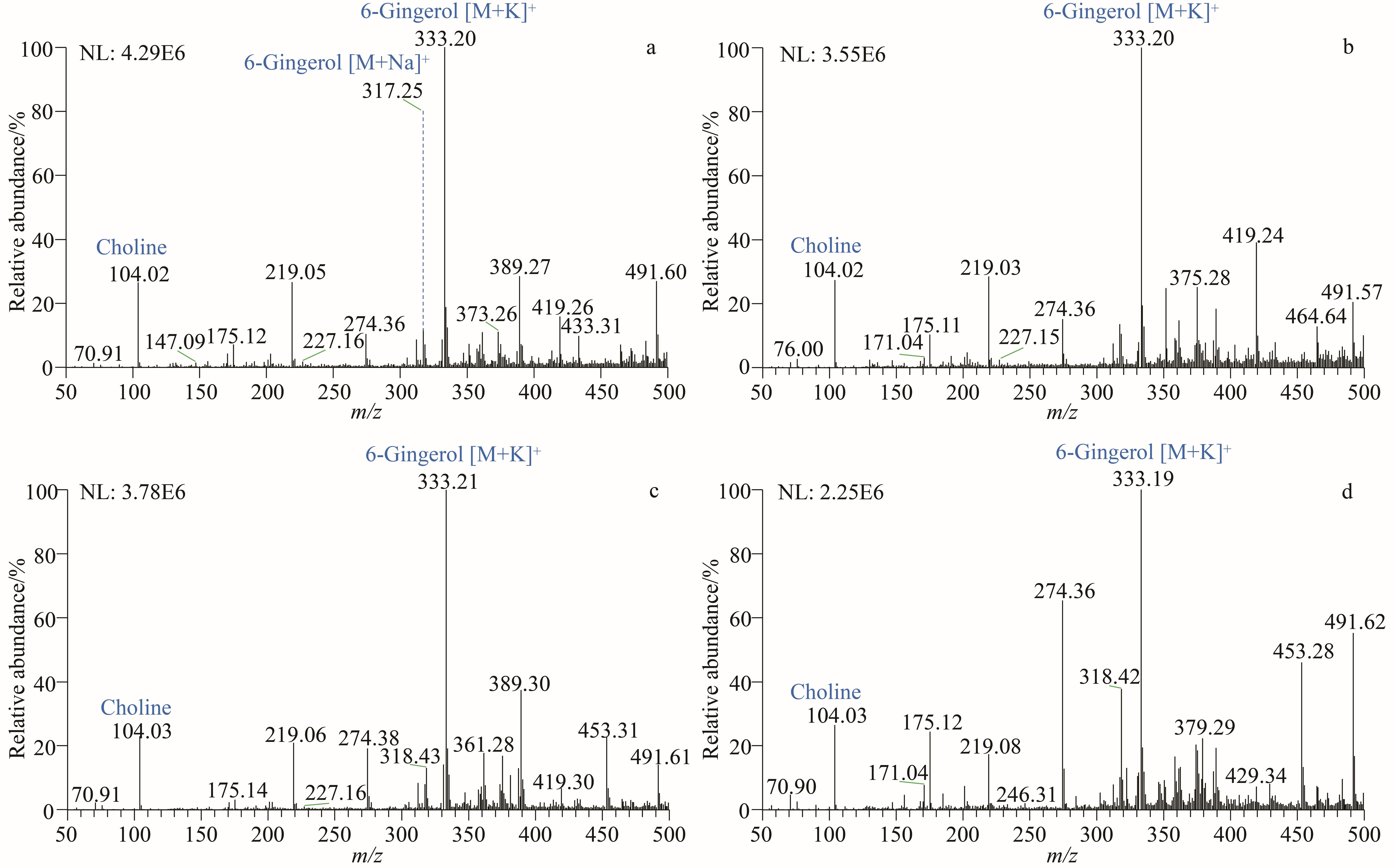
生姜为姜科植物姜Zingiber officinale Rosc.的新鲜根茎,产地是影响生姜质量的关键因素,然而现有分析方法往往耗时费力。为实现不同产地生姜的主要化学成分和差异成分的快速定性定量分析,本研究选取云南、四川、贵州及河南4个产地的生姜样本,采用内部萃取电喷雾电离质谱(iEESI-MS)结合多元统计方法,建立了一种快速鉴定不同产地生姜中27种化学成分和定量分析3种主要差异成分的方法。称取5.0 mg生姜碎片放入自制iEESI-MS装置上的滤膜中,在优化萃取剂、离子源喷雾口到质谱口的距离、喷雾电压、离子传输管温度等参数后,得到不同产地生姜的一级质谱数据,通过主成分分析与偏最小二乘判别分析模型实现了不同产地生姜的清晰区分,并结合生姜主要成分和差异成分的相关性分析筛选出6-姜酚、8-姜酚和L-丝氨酸3种标志性差异成分。对该3种成分的定量分析显示,各成分在2.0~20 000.0 μg/g范围内线性良好(决定系数R²≥0.996),方法灵敏度高(检出限为3.0~20.0 μg/g,定量限为10.0~50.0 μg/g),回收率为98.8%~100.9%,相对标准偏差(RSD)≤1.6%。利用所建立的方法对不同产地生姜进行检测,并结合热图分析进一步揭示了产地与主要差异成分含量之间的关联性。本研究为生姜质量的快速评价与产地鉴别提供了可靠平台,具有重要的应用价值。

关键词: 生姜, 内部萃取电喷雾电离质谱, 差异成分, 产地

Abstract:

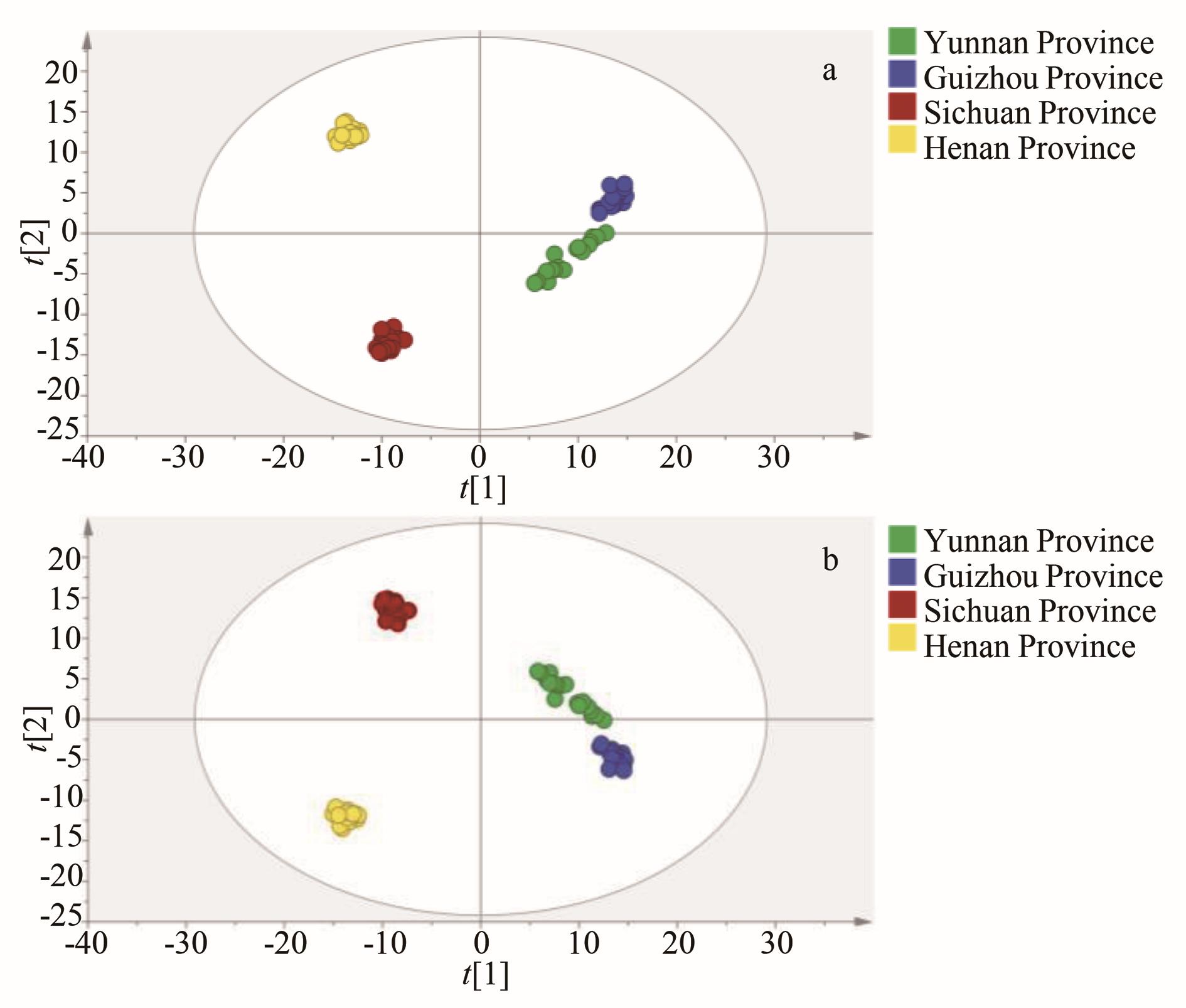
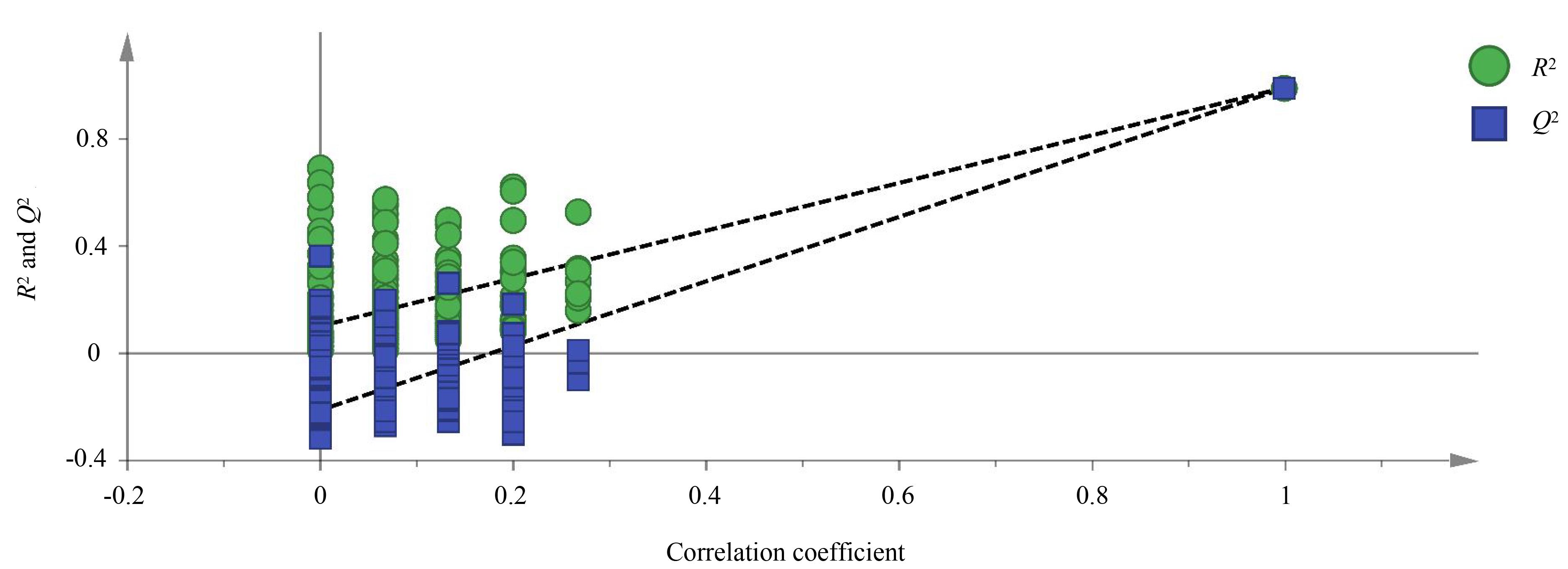
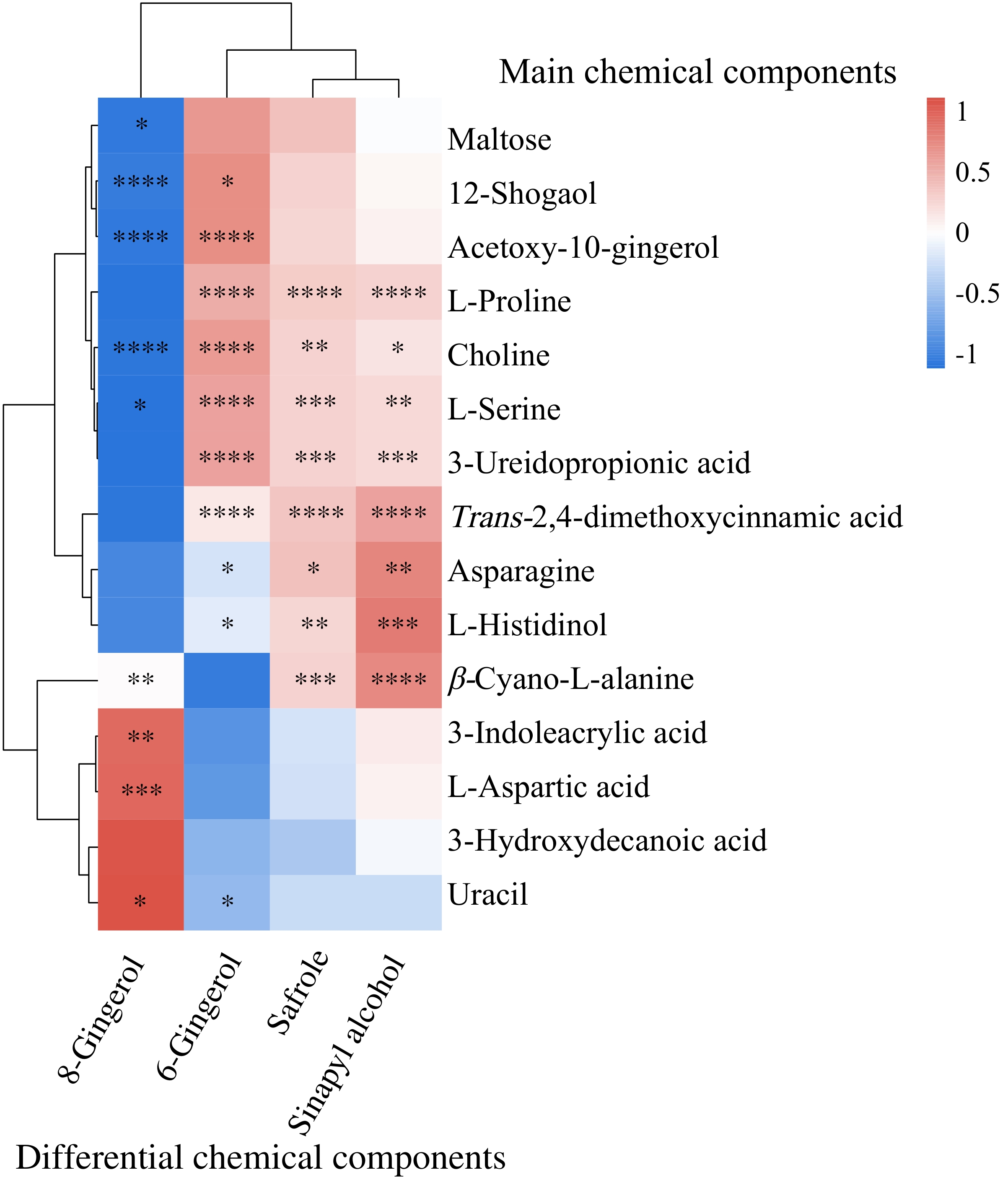
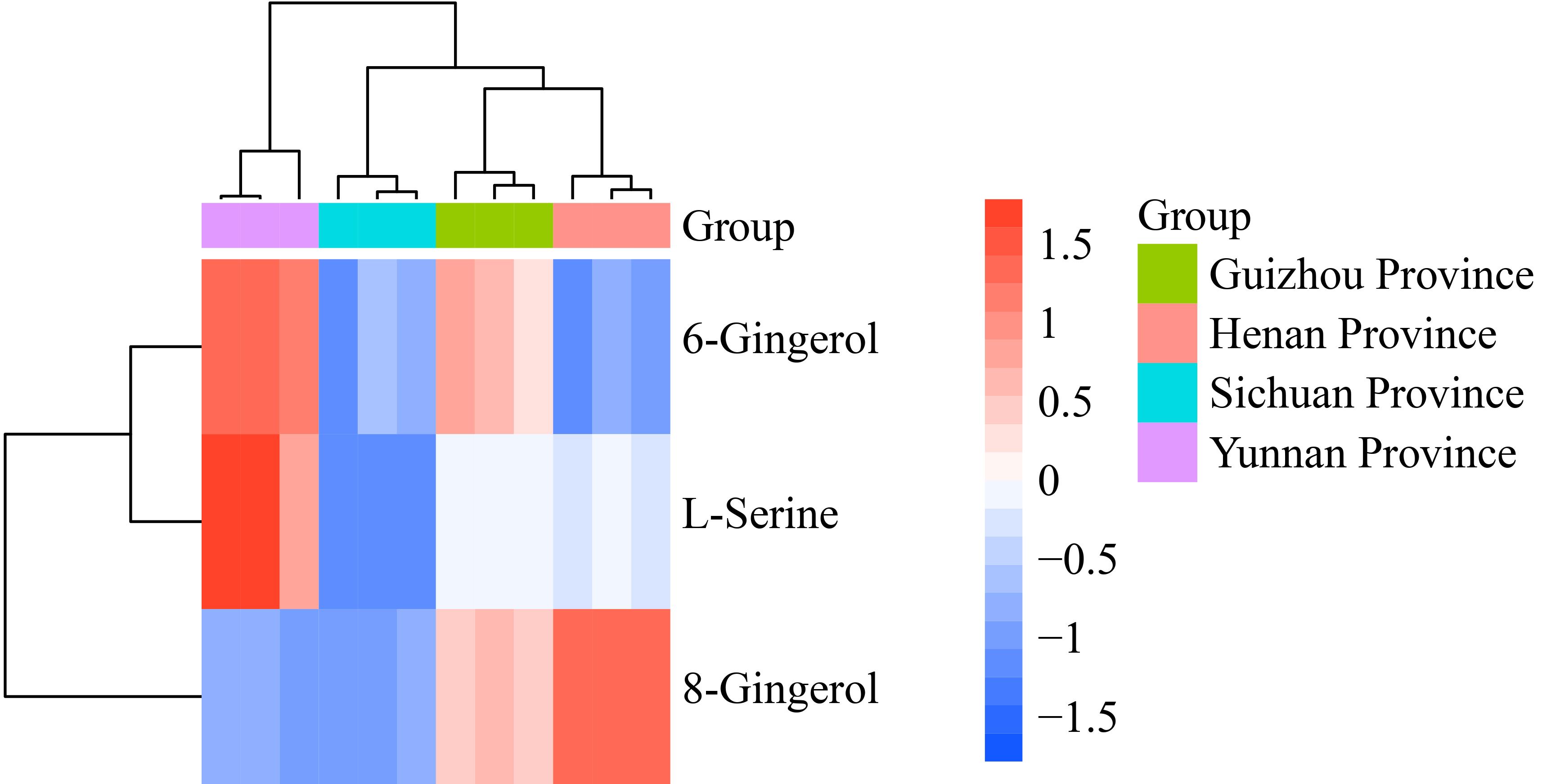
Ginger, the fresh rhizome of Zingiber officinale Rosc. from the Zingiberaceae family, is highly valued worldwide for its unique aromatic profile and distinct pungent flavor. It is widely utilized both as a culinary spice and a natural food additive. Globally, ginger comprises 53 known genes and approximately 1 300 varieties, predominantly cultivated in tropical and subtropical regions. Major producing countries include India, China, Indonesia, and Nigeria, with China ranking as the second-largest producer. In many Asian countries, such as China, Korea, and Japan, ginger has long been recognized not only for its culinary applications but also for its medicinal properties. It is traditionally employed to alleviate cold symptoms, promote body warmth, reduce nausea, suppress coughs by clearing phlegm, and even neutralize toxins from seafood consumption. The efficacy and safety of ginger as a medicinal herb are largely determined by the content and purity of its active constituents, such as gingerols and shogaols. Thus, accurate quality assessment is essential to ensure its therapeutic value. Moreover, the contents of these bioactive compounds can vary considerably depending on the geographical origin. In China, high-quality medicinal ginger is primarily cultivated in provinces such as Yunnan, Sichuan, Guizhou and Henan. Given the complexity and diversity of ginger’s chemical composition, it is crucial to understand its characteristic components and their variation with origin. This knowledge supports not only accurate quality evaluation but also reliable traceability of ginger sources. Ultimately, it facilitates the selection of ginger with superior medicinal properties for direct use in traditional medicine or as high-quality raw material in pharmaceutical development. However, conventional analytical techniques for determining origin and quality, such as high performance liquid chromatography (HPLC) and gas chromatography-mass spectrometry (GC-MS), are often time-consuming, require extensive sample preparation, and consume large volumes of solvents. To overcome these limitations, this study developed a high-throughput method based on internal extractive electrospray ionization mass spectrometry (iEESI-MS) for rapid compositional profiling and origin authentication of ginger. Samples were collected from four major ginger-producing regions in China: Yunnan, Sichuan, Guizhou, and Henan. Each sample was minimally processed into fragments, with only 5.0 mg used for analysis. The fragments were placed on a filter membrane inside a custom-built iEESI-MS device. Key instrumental parameters such as the extraction solvent composition, ion transfer tube temperature, spray voltage, and solvent flow rate were systematically optimized to enhance detection sensitivity and reproducibility. Under optimal conditions, real-time extraction and ionization of chemical constituents from ginger tissue were achieved, yielding representative mass spectral fingerprints for each geographical origin. Multivariate statistical tools were applied to interpret the complex mass spectrometry data. Principal component analysis (PCA) provided an overview of sample distribution and revealed inherent clustering trends according to origin. Partial least squares discriminant analysis (PLS-DA) further improved the classification accuracy by filtering out unrelated variations and emphasizing the ions that contributed most to inter-regional differences. Through this approach, 27 compounds were consistently detected and identified, among which three key markers, such as 6-gingerol, 8-gingerol, and L-serine, were selected as characteristic of origin-related variation. A quantitative method was developed for these three markers, demonstrating excellent linearity across a broad content range (2.0-20 000.0 μg/g) with coefficients of determination (R²) no less than 0.996. Sensitivity was assessed in terms of limits of detection and limits of quantification, which ranged from 3.0 μg/g to 20.0 μg/g and 10.0 μg/g to 50.0 μg/g, respectively. Recoveries varied between 98.8% and 100.9%, indicating high accuracy, while repeatability was excellent, with relative standard deviations (RSDs) no more than 1.6%. When the established method was applied to ginger samples from different regions, heatmap visualization clearly illustrated the correlation between geographic origin and the abundance of the three characteristic compounds. For instance, Yunnan samples exhibited notably higher contents of certain gingerols, whereas those from Henan were richer in L-serine. This chemical fingerprinting strategy offers a reliable and efficient means for rapid origin verification and quality assessment. In conclusion, the iEESI-MS platform developed in this study combines minimal sample preparation, rapid analysis, and high sensitivity, making it well-suited for high-throughput applications. It holds significant potential not only for ginger authentication but also for quality control of other medicinal plants, food traceability systems, and the protection of geographically indicated products. Future studies may expand the database to include more regions and varieties, further improving the robustness and general applicability of the model.

Key words: ginger, internal extractive electrospray ionization mass spectrometry (iEESI-MS), differential components, origins

中图分类号: