色谱 ›› 2026, Vol. 44 ›› Issue (8): 935-945.DOI: 10.3724/SP.J.1123.2025.12030

• 研究论文 • 上一篇    下一篇

基于非靶向代谢组学的乌拉尔甘草外泌体特征分析

姚云君1, 钱旭1, 舒福兴1,2, 宋喜超1, 董媛媛1, 金磊磊1, 刘俸键1, 冀祖恩3, 刘嘉4,*(), 陈集双1,2,*()   

  1. 1.南京工业大学生物与制药工程学院,江苏 南京 211816
    2.遵义医科大学生物资源健康利用研究中心,贵州 遵义 563000
    3.新疆甘草及制品研究重点实验室,新疆 库尔勒 841011
    4.江苏卫生健康职业学院药学与检验学院,江苏 南京 210029
  • 收稿日期:2026-01-23 出版日期:2026-08-08 发布日期:2026-07-30
  • 通讯作者: *E-mail:biochenjs@njtech.edu.cn(陈集双); E-mail:liujia402@163.com(刘嘉).
  • 基金资助:
    国家自然科学基金面上项目(82373981);江苏省研究生科研创新项目(KYCX25_1805)

Non-targeted metabolomics analysis of exosomes derived from Glycyrrhiza uralensis

YAO Yunjun1, QIAN Xu1, SHU Fuxing1,2, SONG Xichao1, DONG Yuanyuan1, JIN Leilei1, LIU Fengjian1, JI Zuen3, LIU Jia4,*(), CHEN Jishuang1,2,*()   

  1. 1.College of Biotechnology and Pharmaceutical Engineering,Nanjing Tech University,Nanjing 211816,China
    2.Research Center for Healthy Utilization of Biological Resources,Zunyi Medical University,Zunyi 563000,China
    3.Xinjiang Key Laboratory of Glycyrrhiza Glabra and Products Research,Korla 841011,China
    4.Department of Pharmacy and Inspection,Jiangsu Health Vocational College,Nanjing 210029,China
  • Received:2026-01-23 Online:2026-08-08 Published:2026-07-30
  • Supported by:
    National Natural Science Foundation of China(82373981);Jiangsu Postgraduate Research and Innovation Program(KYCX25_1805)

摘要:

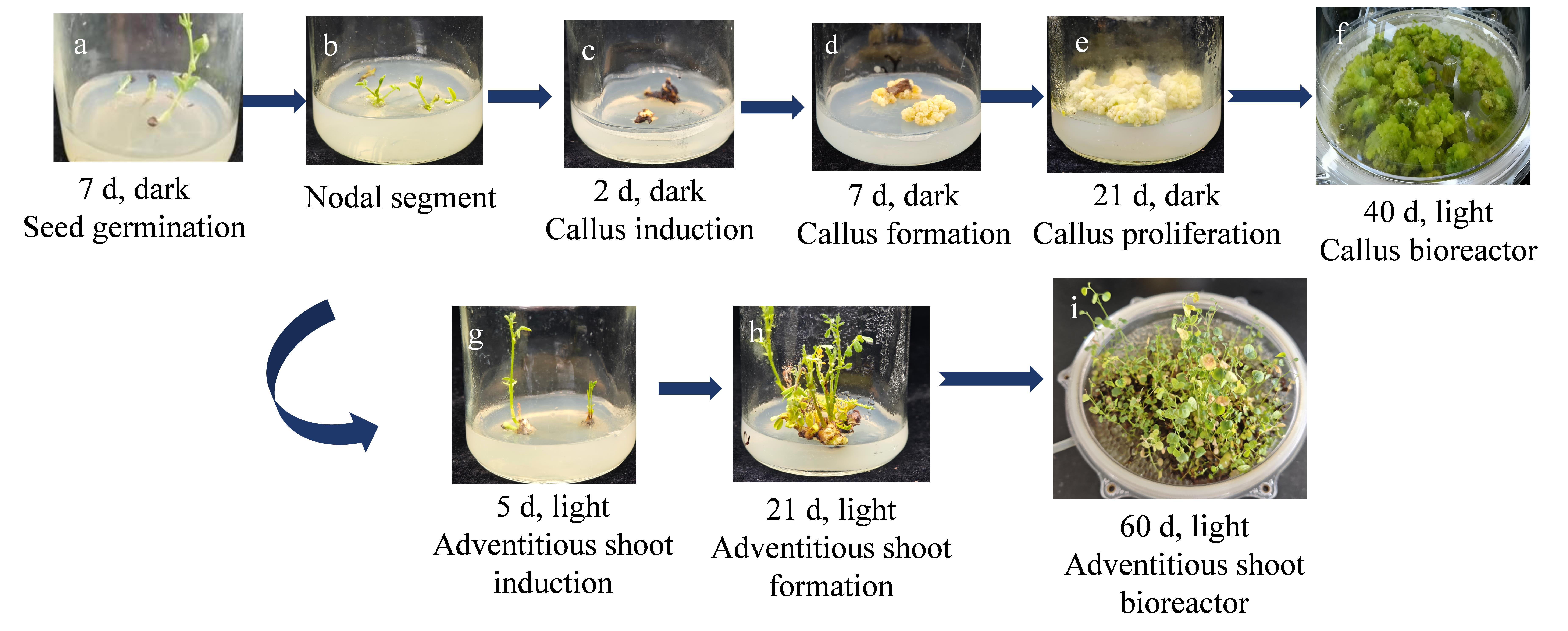
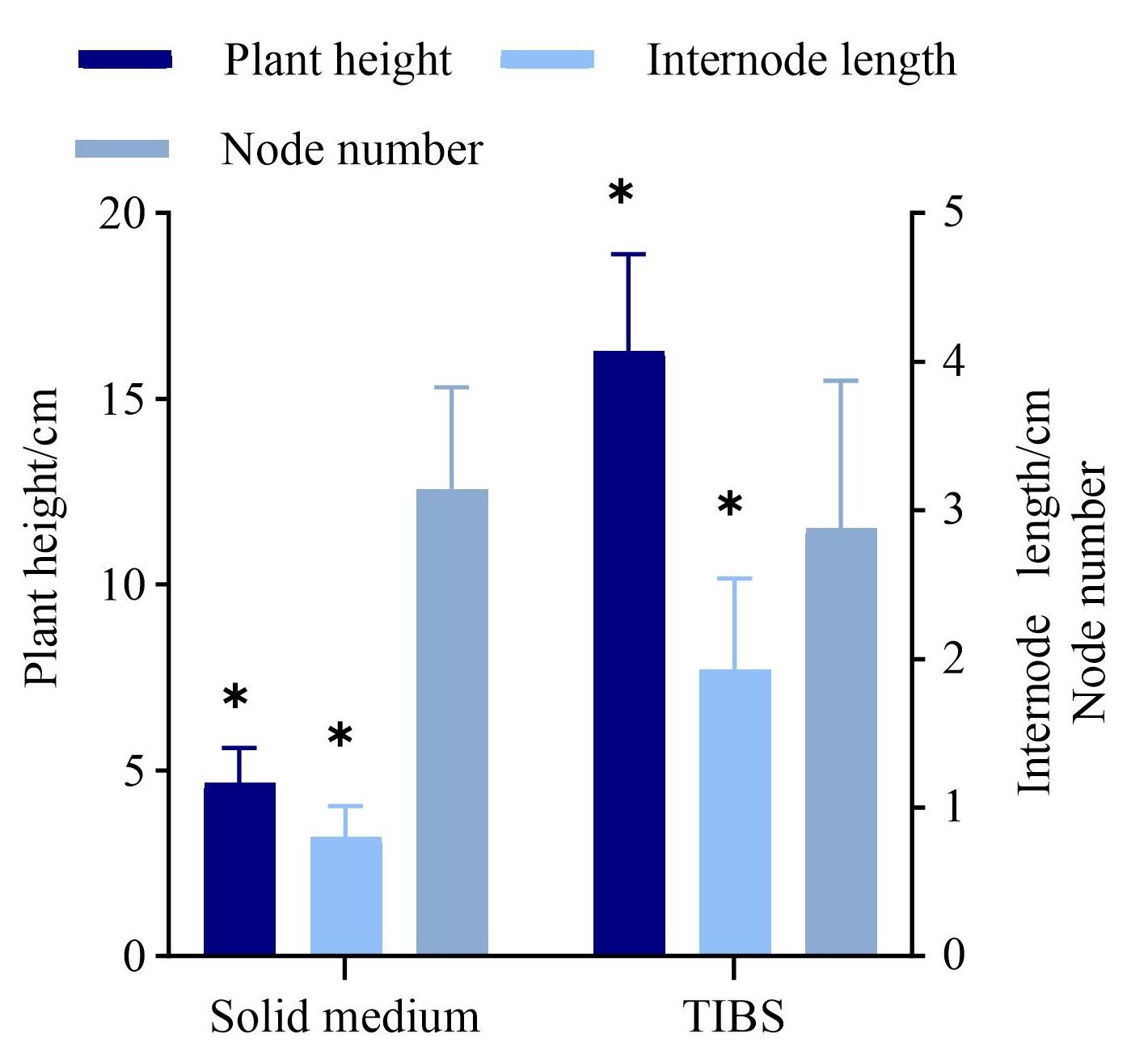
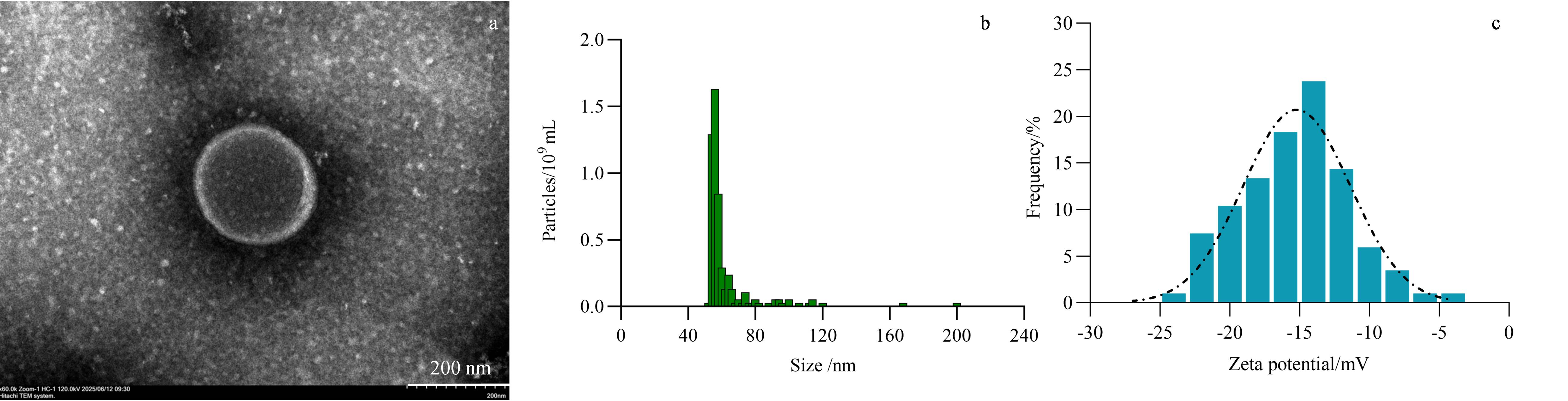
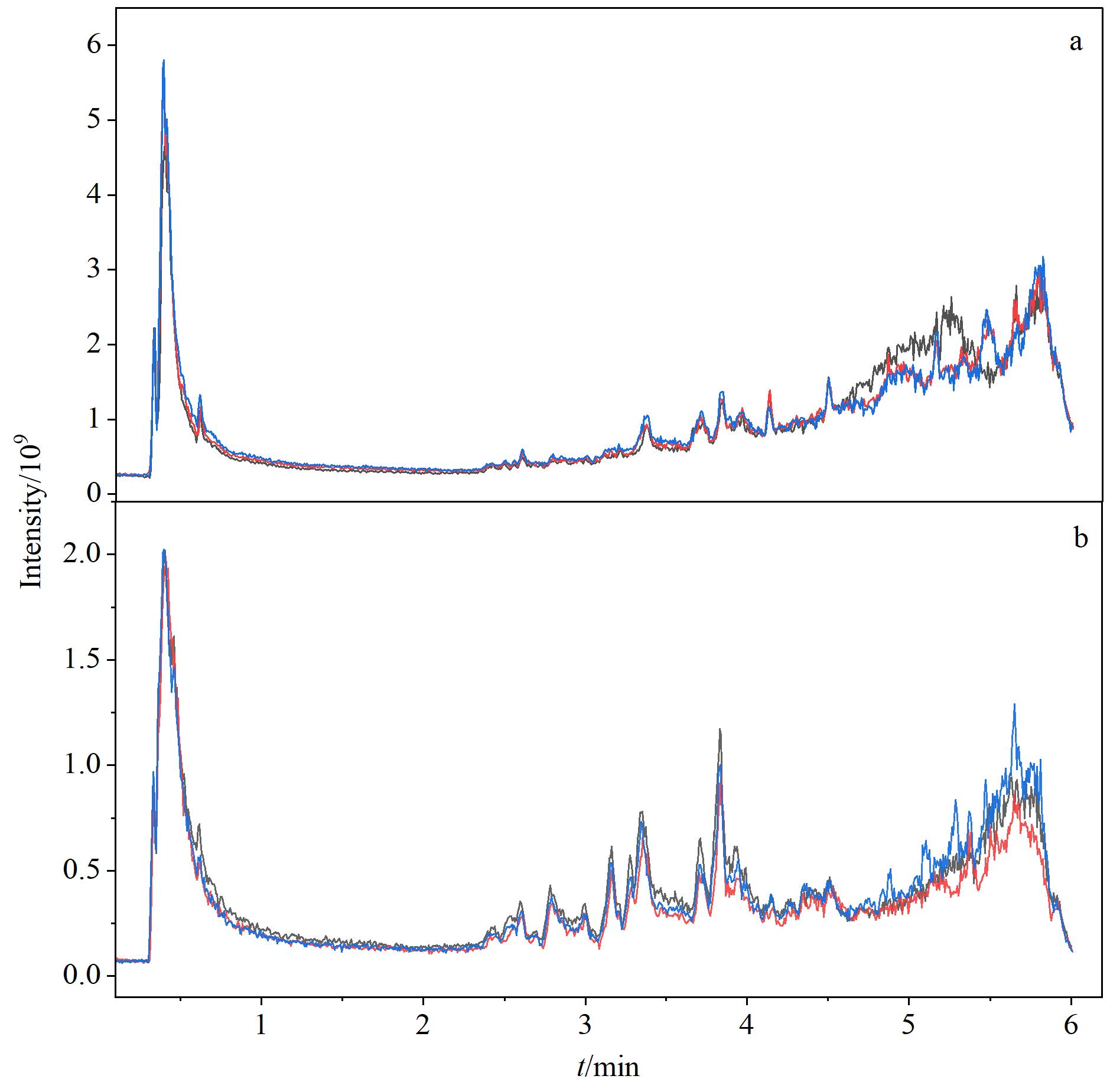
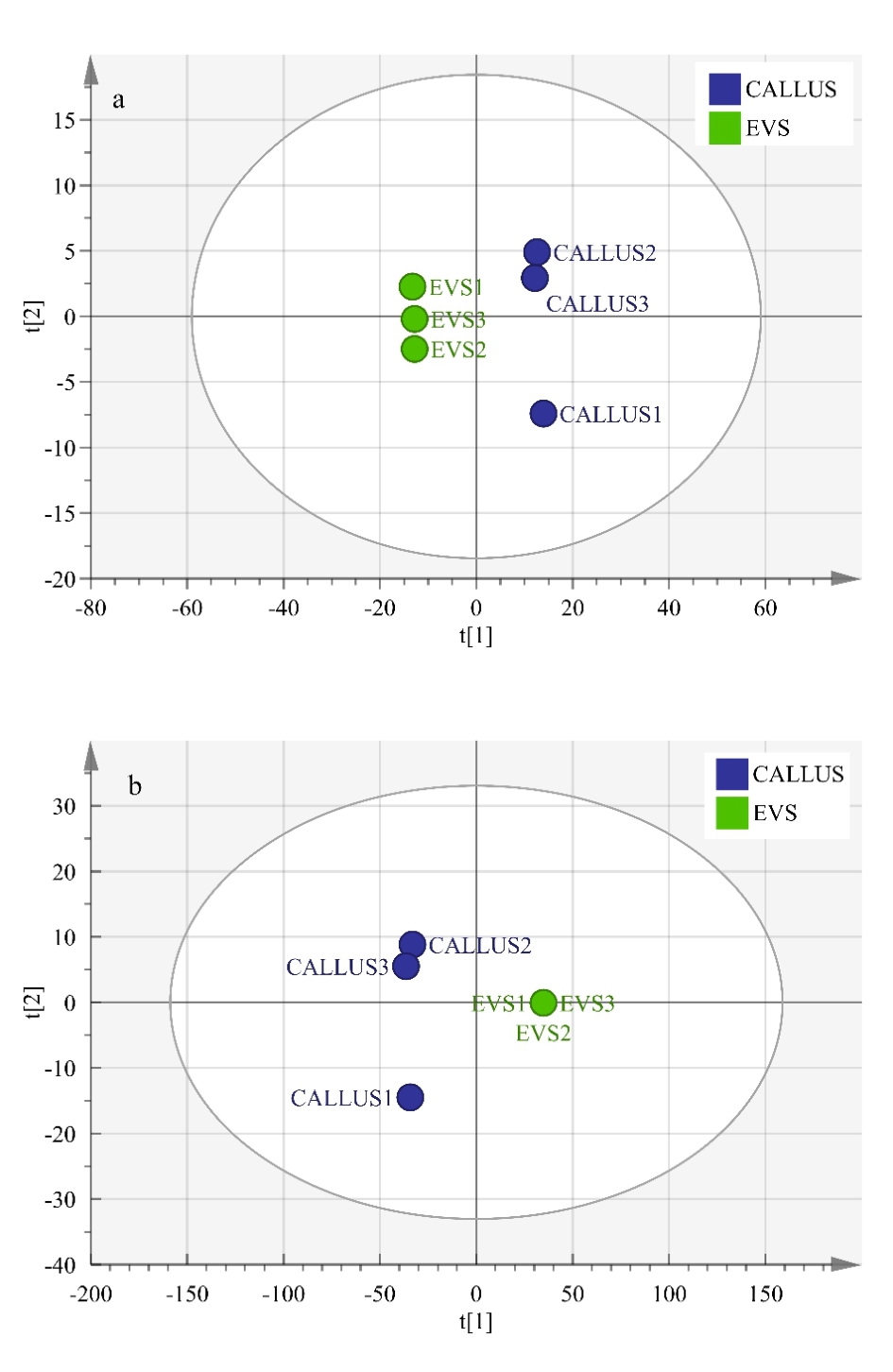
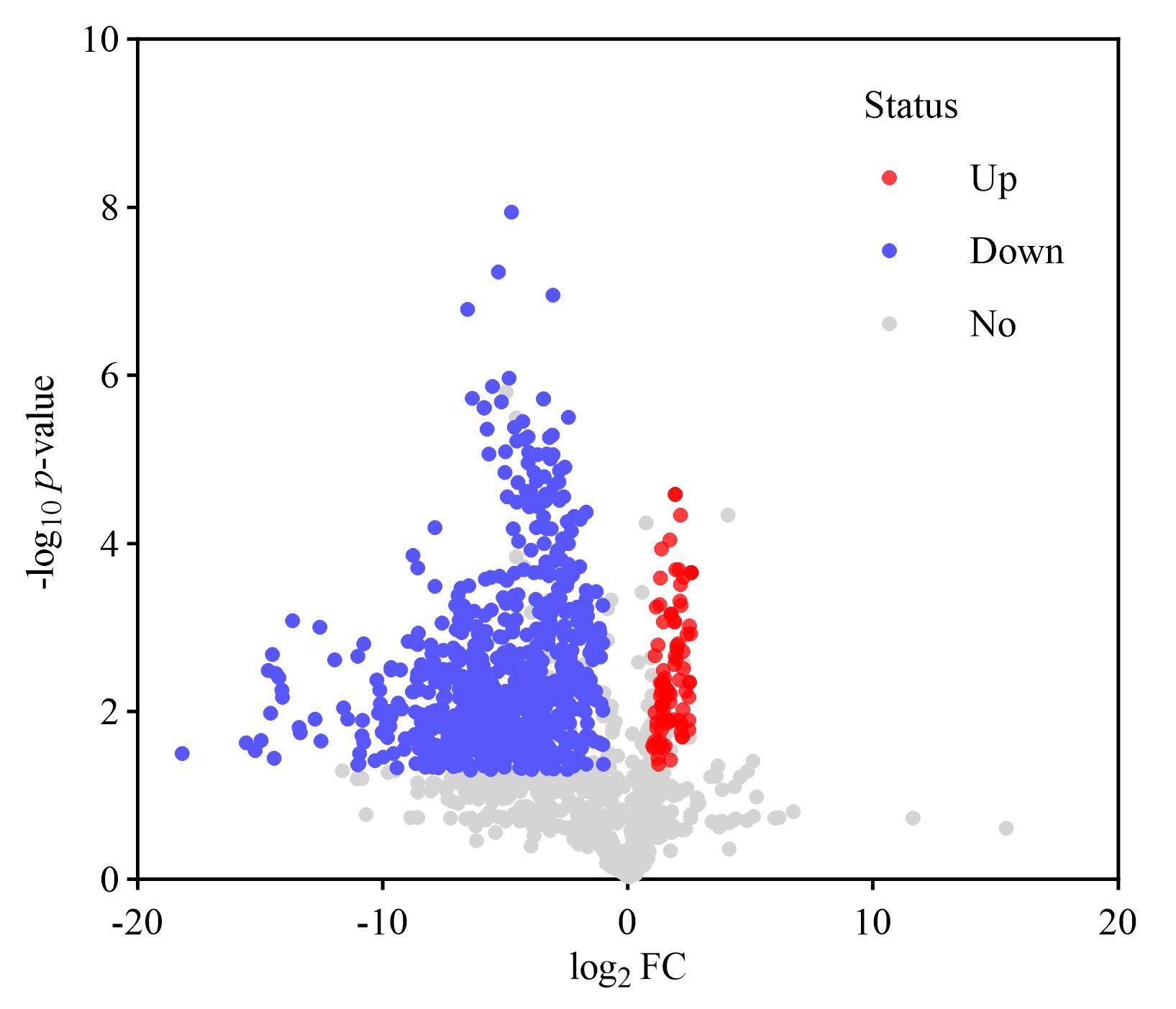
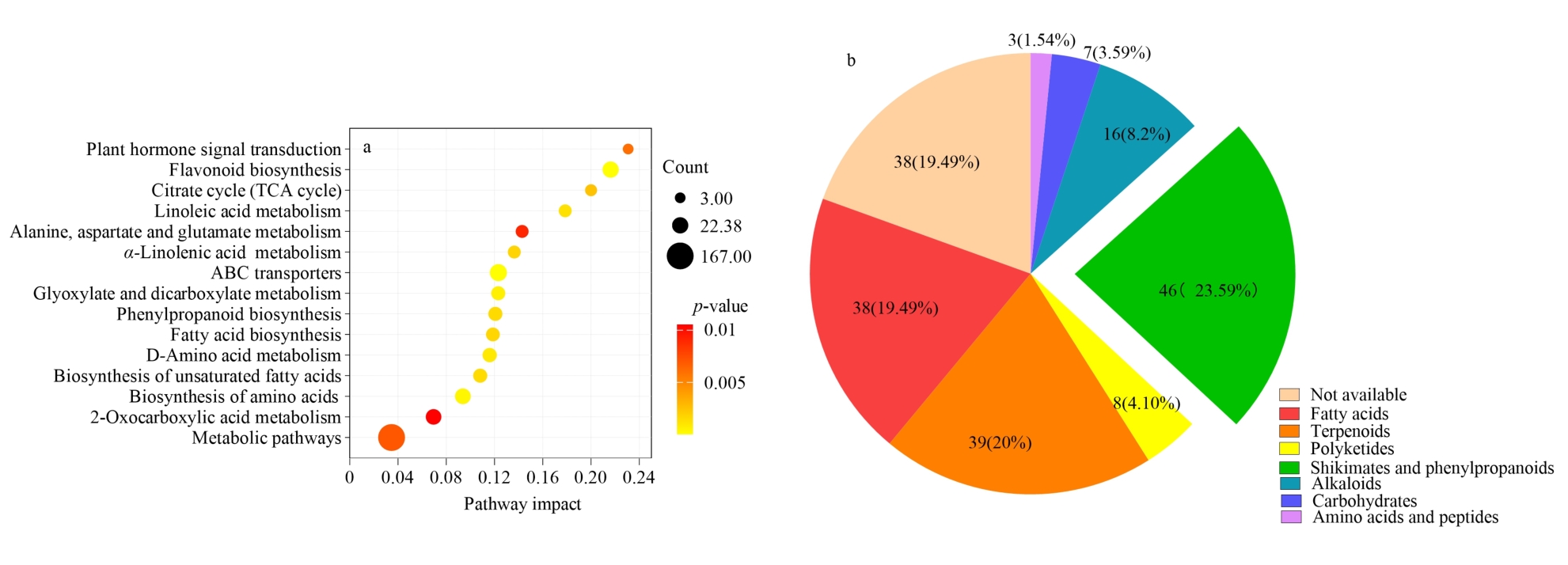
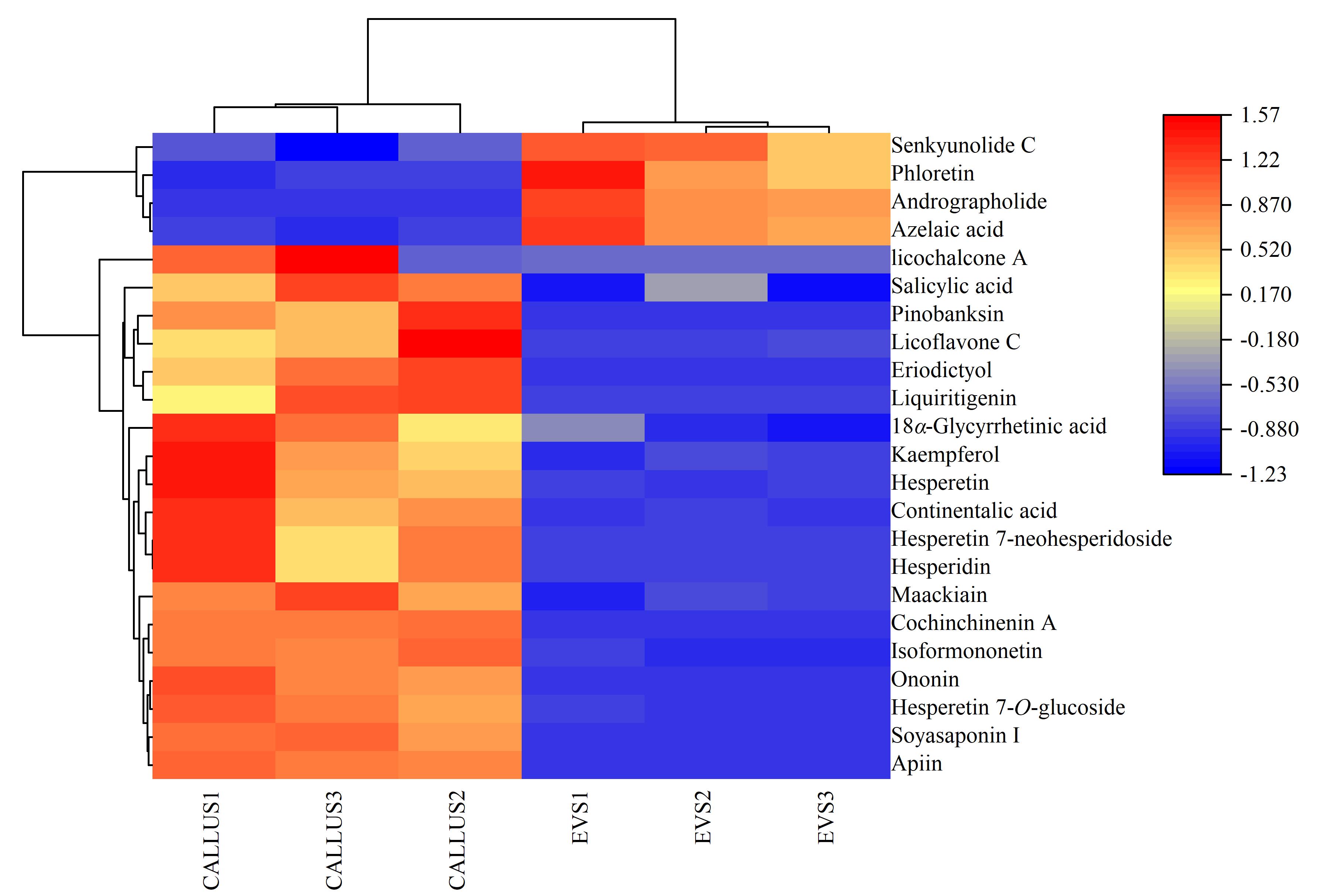
外泌体是一种纳米级分泌囊泡,其生物活性成分与药效机制研究日益受到重视。乌拉尔甘草(Glycyrrhiza uralensis)作为药食同源中药材,富含多种活性成分,但面临资源过度开发与品质不稳定的问题。本研究采用间歇浸没培养技术(TIBS)构建乌拉尔甘草组培体系,并制备其外泌体。以野生甘草茎段为外植体,建立固体培养体系,愈伤组织增殖系数达10.81倍,优化培养基可实现丛生芽再生与无菌苗获得。TIBS体系在5 min/6 h浸没频率下培养28天,愈伤组织增殖系数提升至13.12倍。表征显示,TIBS制备的外泌体呈茶托状,平均粒径56 nm,含量1.07×10¹² particles/mL,Zeta电位为(-15.030±3.815) mV。采用非靶向代谢组学,在愈伤及其外泌体中共检测到1 760个代谢物,其中差异代谢物1 068个,外泌体中195个代谢物含量高于愈伤组织,主要包括萜类、黄酮类、生物碱、脂肪酸及苯丙酸类等物质。结果表明,TIBS可高效制备均一稳定的乌拉尔甘草外泌体,外泌体活性成分丰富,为后续乌拉尔甘草外泌体在医美、抗炎及抗肿瘤等方向的研究提供材料制备方法与研究基础。

关键词: 乌拉尔甘草, 间歇浸没式植物生物反应器, 外泌体, 愈伤组织, 代谢组学

Abstract:

Exosomes are nanometer-sized secretory vesicles that play a pivotal role in mediating intercellular communication. Recently, exosomes derived from herbal medicine have garnered significant attention owing to their unique composition features and therapeutic potential. Glycyrrhiza uralensis, a traditional Chinese medicinal and edible plant, is rich in flavonoids, terpenoids, polyketides, and phenolic acids. However, the long-term consequences of overharvesting and artificial cultivation have led to inconsistent quality of licorice materials. Plant tissue culture technology offers a sustainable approach to preserve medicinal plant resources, enabling year-round production independent of seasonal and environmental constraints. To address these challenges and explore the therapeutic potential of herb-derived exosomes, this study employed a laboratory-constructed temporary immersion bioreactor system (TIBS) for G. uralensis cultivation and exosomes isolation. The key experimental procedures are summarized as follows: sterile buds derived from G. uralensis seeds were used as explants. The callus proliferation medium consisted of Murashige and Skoog medium (MSM) supplemented with 1.18 mg/L 6-benzylaminopurine (6-BA), 1.44 mg/L naphthaleneacetic acid (NAA) and 1.44 mg/L 2,4-dichlorophenoxyacetic acid (2,4-D), yielding a maximum proliferation coefficient of 10.81 after 21 days. For shoot proliferation, sterile plantlets were generated on MSM medium supplemented with 1 mg/L 6-BA, 0.05 mg/L NAA, and 150 mL/L coconut milk (CM), which produced sterile plantlets within 28 days of culture. When cultured in the TIBS system with an immersion frequency of 5 min every 6 h, the callus proliferation coefficient reached 13.12 after 28 days of culture. Exosomes were successfully isolated from the TIBS-cultured G. uralensis calli using differential centrifugation and ultracentrifugation protocols. Comprehensive characterization was performed to validate the identity, purity, and stability of isolated exosomes. Morphological observation via transmission electron microscopy (TEM) revealed typical cup-shaped vesicles with a distinct lipid bilayer structure, which is consistent with the canonical exosomes morphology. Dynamic light scattering (DLS) analysis determined an average hydrodynamic diameter of 56 nm. The exosomes preparation exhibited a particle concentration of 1.07×10¹² particles/mL, and a zeta potential of (-15.030±3.815) mV, indicating excellent colloidal stability suitable for biological applications. To decipher the molecular cargo of these exosomes, untargeted metabolomic profiling was conducted. A total of 1 760 metabolites were identified across callus and exosomes samples, of which 1 068 differential metabolites (DMs) distinguished exosomes from parental calli. Notably, 195 DMs were significantly enriched in exosomes. KEGG (Kyoto Encyclopedia of Genes and Genomes) pathway enrichment analysis revealed enrichment in 11 metabolic pathways, primarily involving terpenoids, flavonoids, alkaloids, fatty acids, and phenylpropanoids. Bioactive compounds of interest included azelaic acid, phloretin, and senkyunolide C, highlighting their potential pharmacological significance. In summary, this study demonstrates that the TIBS-based in vitro platform enables efficient, scalable, and consistent production of G. uralensis-derived exosomes with homogeneous morphology and specialized metabolite profiles. The successful isolation, comprehensive characterization, and identification of bioactive metabolite enrichment establish a robust foundation for mechanistic investigations and translational applications. These exosomes exhibited promising therapeutic potential in anti-inflammatory, antioxidant, antitumor, and antibacterial biomedicine. Furthermore, this bioreactor system addresses the quality inconsistency issue in natural G. uralensis resources, paving new ways for developing innovative herbal exosome-based nanomedicines.

Key words: Glycyrrhiza uralensis, temporary immersion bioreactor system (TIBS), exosomes, callus, metabolomics

中图分类号: