Chinese Journal of Chromatography ›› 2026, Vol. 44 ›› Issue (9): 1090-1099.DOI: 10.3724/SP.J.1123.2025.09002

• Teaching Research • Previous Articles    

Teaching practice of instrumental analysis course based on inquiry-based learning and critical thinking: a case study of competency development for pharmacy students

DING Bo*()   

  1. Guangdong Provincial Key Laboratory of Molecular Target & Clinical Pharmacology,School of Pharmaceutical Sciences,Guangzhou Medical University,Guangzhou 511436,China
  • Received:2025-09-02 Online:2026-09-08 Published:2026-09-17
  • Supported by:
    Guangzhou Higher Education Teaching Quality and Teaching Reform Project(2024YBJG031);Guangzhou Medical University Undergraduate Teaching Quality and Teaching Reform Project(PX-81232379)

Abstract:

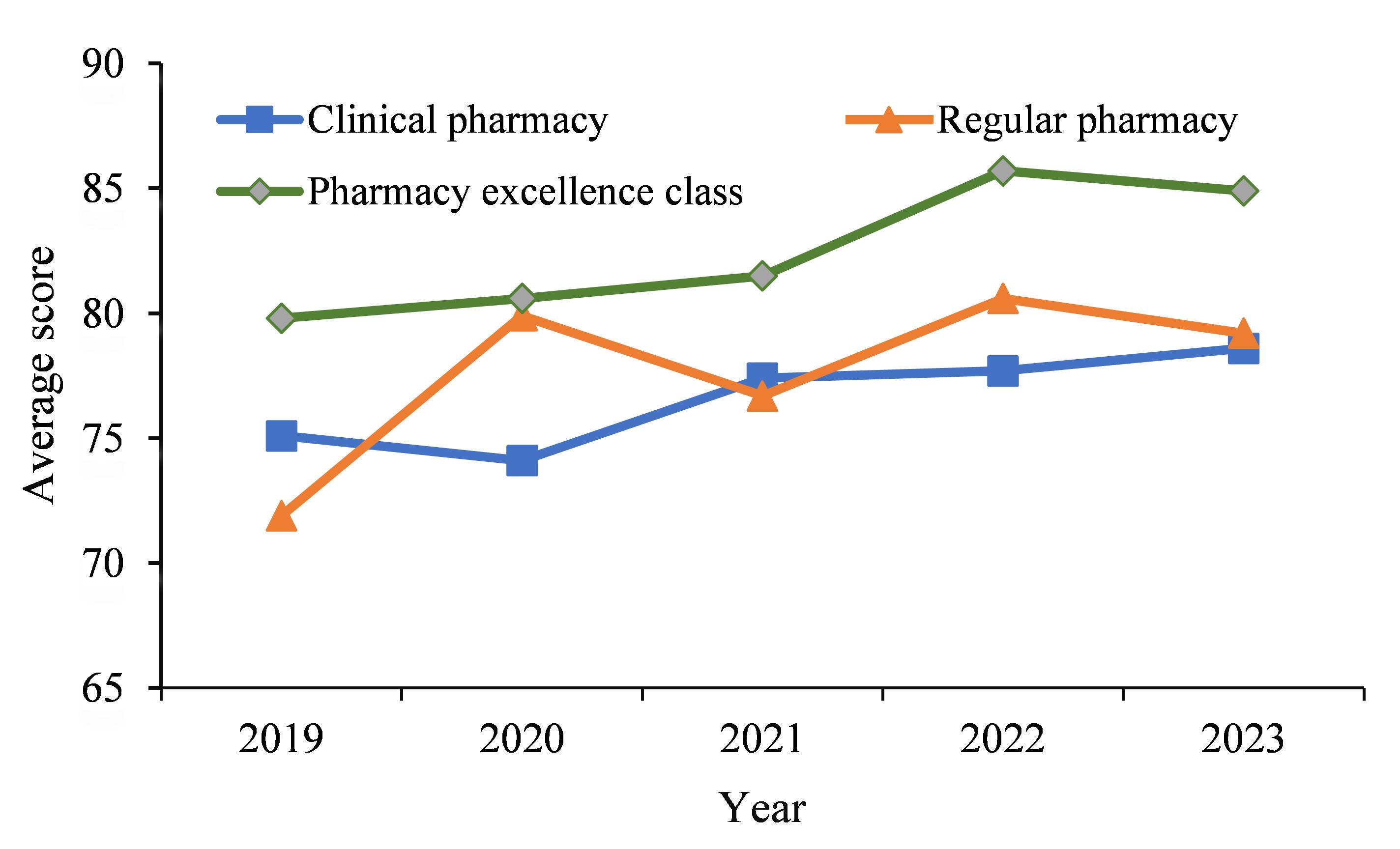
Instrumental analysis is a crucial foundational course for pharmacy majors, and its teaching effectiveness directly relates to the cultivation of students’ analytical testing abilities, scientific research literacy, and innovative thinking. Current teaching commonly faces problems such as complex content systems, difficulty in understanding principles, and disconnection between theory and experiments, resulting in students’ lack of active inquiry awareness and critical thinking. To address these issues, this study takes pharmacy students from 2019-2023 classes at the School of Pharmacy, Guangzhou Medical University as subjects, exploring a teaching model that combines inquiry-based teaching with the cultivation of critical thinking. By constructing a stepwise inquiry approach that progresses from imitative to comparative to case-based learning and designing problem-oriented learning tasks and reflective assessment mechanisms, the study aims to guide students in achieving knowledge construction and cognitive enhancement within authentic problem contexts. Teaching practice results indicate that this model effectively promoted students’ transition from passive acceptance to active inquiry, significantly improving their analytical testing abilities, scientific research literacy, and innovative capabilities. However, some students still exhibited habitual thinking in knowledge transfer and analysis strategy selection, and the depth of critical reasoning needs to be further strengthened. This study provides a systematic pathway and empirical evidence for the teaching reform of instrumental analysis courses, and is of significant importance for cultivating high-quality pharmacy professionals with innovative capabilities.

Key words: inquiry-based learning, critical thinking, instrumental analysis, pharmaceutical education, teaching reform

CLC Number: