色谱 ›› 2026, Vol. 44 ›› Issue (9): 1090-1099.DOI: 10.3724/SP.J.1123.2025.09002

• 教学研究 • 上一篇    

基于探究式教学与批判性思维的仪器分析课程教学实践:以药学专业学生能力培养为例

丁博*()   

  1. 广州医科大学药学院,广东省分子靶标与临床药理学重点实验室,广东 广州 511436
  • 收稿日期:2025-09-02 出版日期:2026-09-08 发布日期:2026-09-17
  • 通讯作者: *E-mail:dingbo-dmy@gzhmu.edu.cn.
  • 基金资助:
    广州市高等教育教学质量与教学改革工程项目(2024YBJG031);广州医科大学校级本科教学质量与教学改革工程项目(PX-81232379)

Teaching practice of instrumental analysis course based on inquiry-based learning and critical thinking: a case study of competency development for pharmacy students

DING Bo*()   

  1. Guangdong Provincial Key Laboratory of Molecular Target & Clinical Pharmacology,School of Pharmaceutical Sciences,Guangzhou Medical University,Guangzhou 511436,China
  • Received:2025-09-02 Online:2026-09-08 Published:2026-09-17
  • Supported by:
    Guangzhou Higher Education Teaching Quality and Teaching Reform Project(2024YBJG031);Guangzhou Medical University Undergraduate Teaching Quality and Teaching Reform Project(PX-81232379)

摘要:

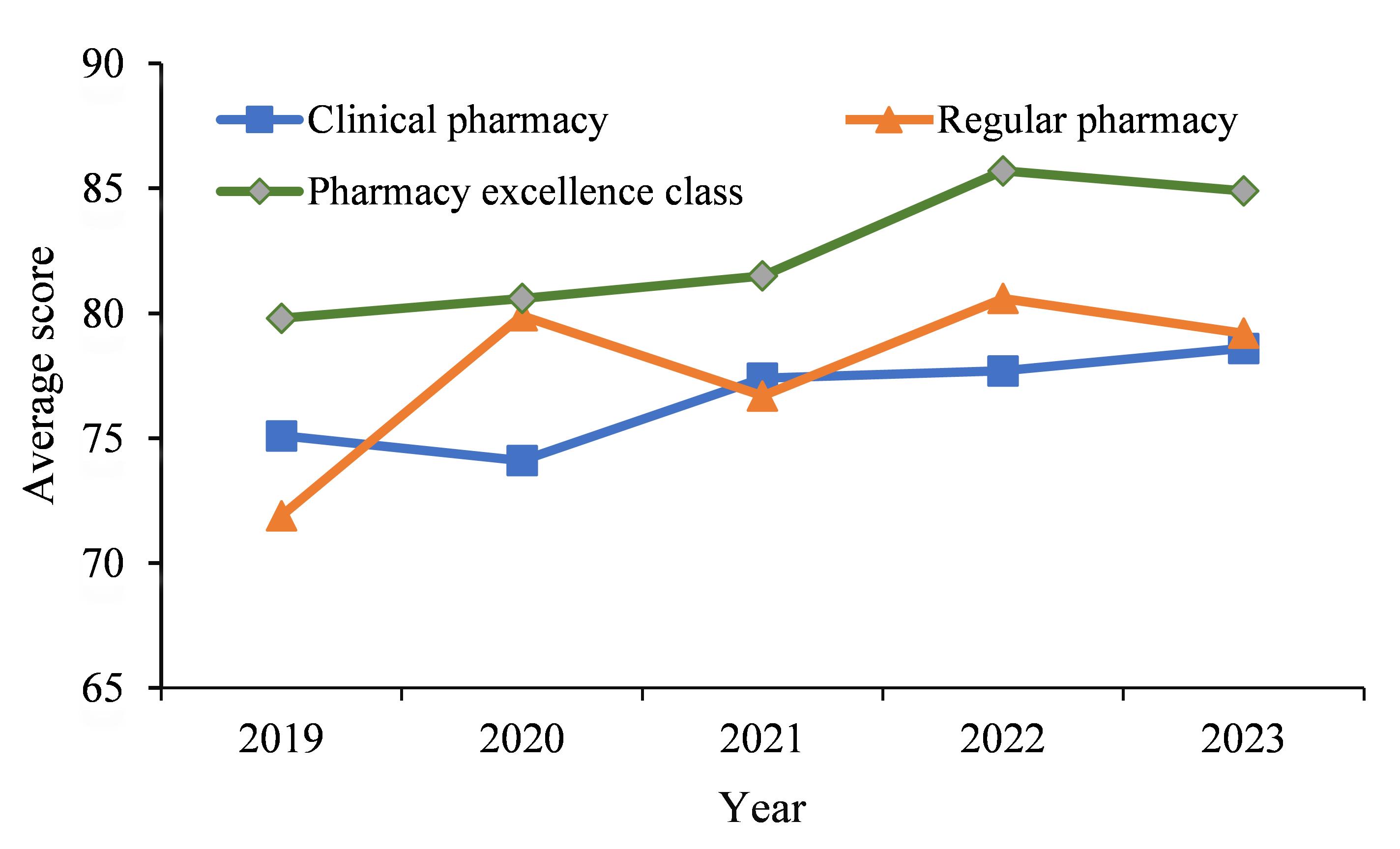
仪器分析是药学专业的重要基础课程,其教学效果直接关系到学生的分析检测能力、科研素养与创新思维的培养。当前教学中普遍存在内容体系复杂、原理理解困难以及理论与实验脱节等问题,导致学生缺乏主动探究意识与批判性思维。针对上述问题,本研究以广州医科大学药学院2019‒2023级药学专业学生为对象,探索基于探究式教学与批判性思维培养相结合的教学模式。通过构建“模仿式-比较式-案例式”的递进探究式教学路径,设计问题导向的学习任务与反思性评价机制,旨在引导学生在真实问题情境中实现知识建构与思维提升。教学实践结果表明,该模式有效促进了学生由被动接受向主动探究的转变,显著提升了其分析检测能力、科研素养与创新能力。但仍有部分学生在知识迁移与分析策略选择中表现出惯性思维,批判性推理的深度仍需加强。本研究为仪器分析课程的教学改革提供了系统化路径与实证依据,对培养具有创新能力的高素质药学人才具有重要意义。

关键词: 探究式教学, 批判性思维, 仪器分析, 药学教育, 教学改革

Abstract:

Instrumental analysis is a crucial foundational course for pharmacy majors, and its teaching effectiveness directly relates to the cultivation of students’ analytical testing abilities, scientific research literacy, and innovative thinking. Current teaching commonly faces problems such as complex content systems, difficulty in understanding principles, and disconnection between theory and experiments, resulting in students’ lack of active inquiry awareness and critical thinking. To address these issues, this study takes pharmacy students from 2019-2023 classes at the School of Pharmacy, Guangzhou Medical University as subjects, exploring a teaching model that combines inquiry-based teaching with the cultivation of critical thinking. By constructing a stepwise inquiry approach that progresses from imitative to comparative to case-based learning and designing problem-oriented learning tasks and reflective assessment mechanisms, the study aims to guide students in achieving knowledge construction and cognitive enhancement within authentic problem contexts. Teaching practice results indicate that this model effectively promoted students’ transition from passive acceptance to active inquiry, significantly improving their analytical testing abilities, scientific research literacy, and innovative capabilities. However, some students still exhibited habitual thinking in knowledge transfer and analysis strategy selection, and the depth of critical reasoning needs to be further strengthened. This study provides a systematic pathway and empirical evidence for the teaching reform of instrumental analysis courses, and is of significant importance for cultivating high-quality pharmacy professionals with innovative capabilities.

Key words: inquiry-based learning, critical thinking, instrumental analysis, pharmaceutical education, teaching reform

中图分类号: