
Chinese Journal of Chromatography ›› 2026, Vol. 44 ›› Issue (11): 1284-1294.DOI: 10.3724/SP.J.1123.2026.01030
• Reviews • Previous Articles Next Articles
MA Yan1, CUI Jiaping1, XIA Lan2, XIA Zhining2,*( ), FU Qifeng1,3,*()
Received:2026-01-30
Online:2026-11-08
Published:2026-11-03
Supported by:CLC Number:
MA Yan, CUI Jiaping, XIA Lan, XIA Zhining, FU Qifeng. Recent advances in metal-organic framework-based composites for chromatographic separation[J]. Chinese Journal of Chromatography, 2026, 44(11): 1284-1294.
Add to citation manager EndNote|Ris|BibTeX
URL: https://www.chrom-china.com/EN/10.3724/SP.J.1123.2026.01030
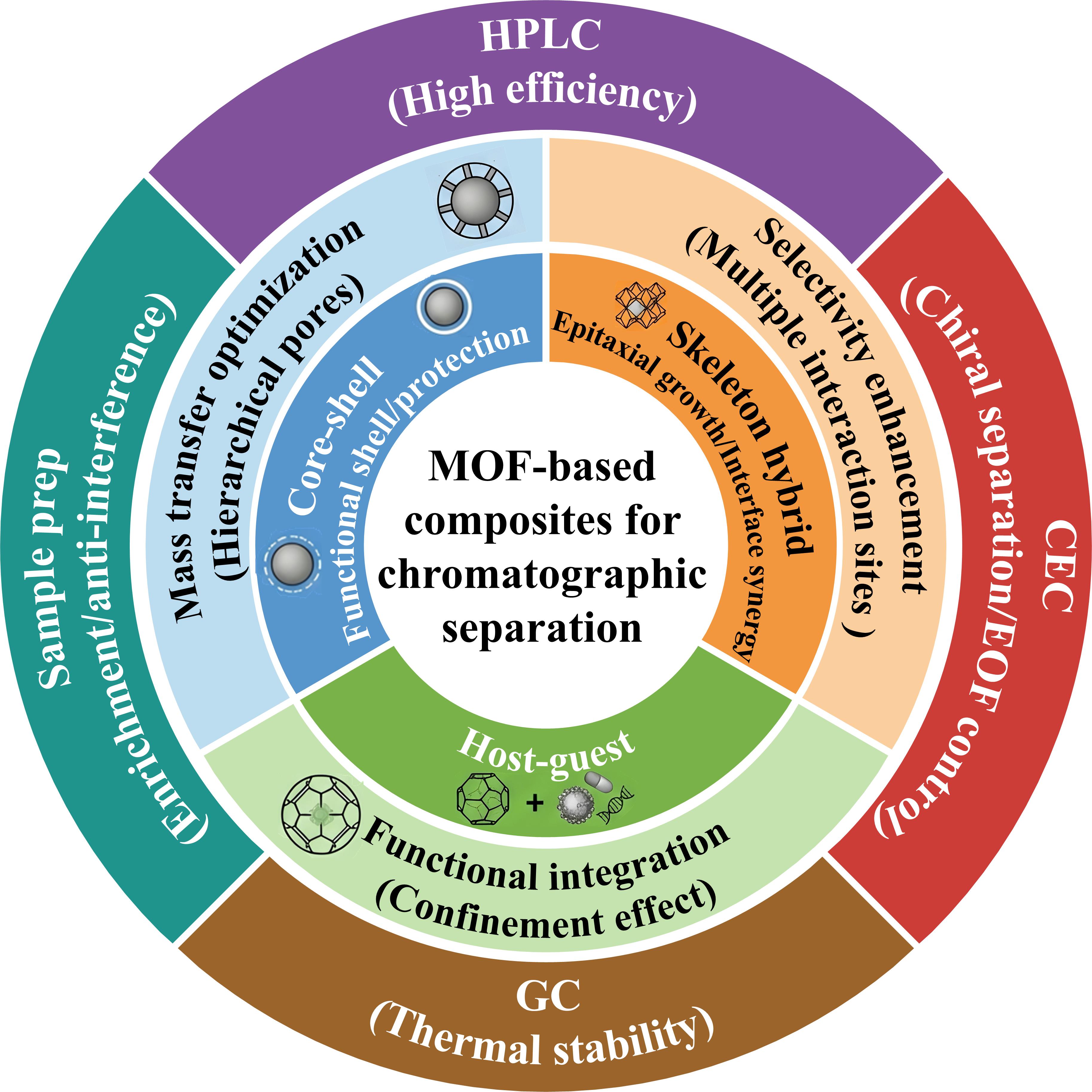
Fig. 1 Structural design of MOFs-based composites and their applications in chromatography
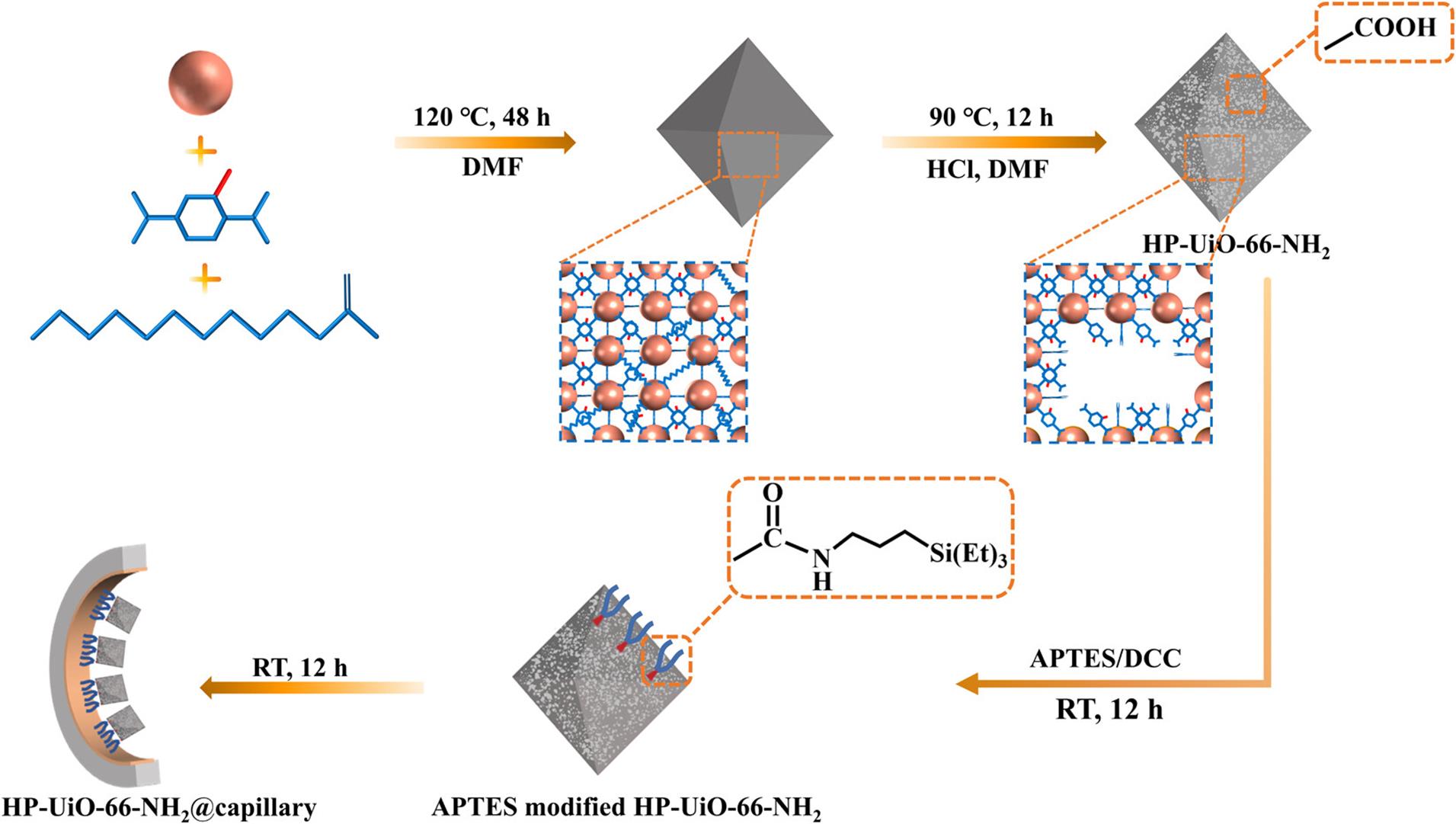
Fig. 2 Scheme for the preparation of HP-UiO-66-NH2 coated capillary[33]
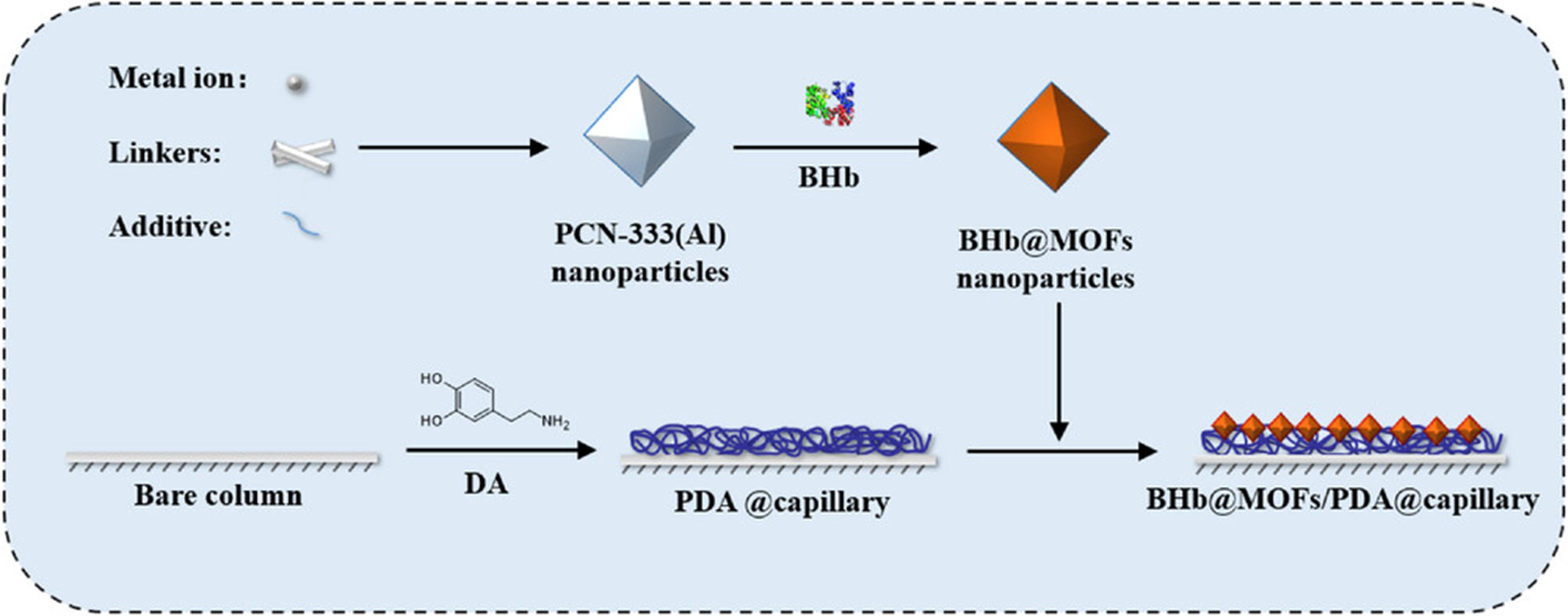
Fig. 3 Fabrication process of BHb@MOFs/PDA@capillary column[46]
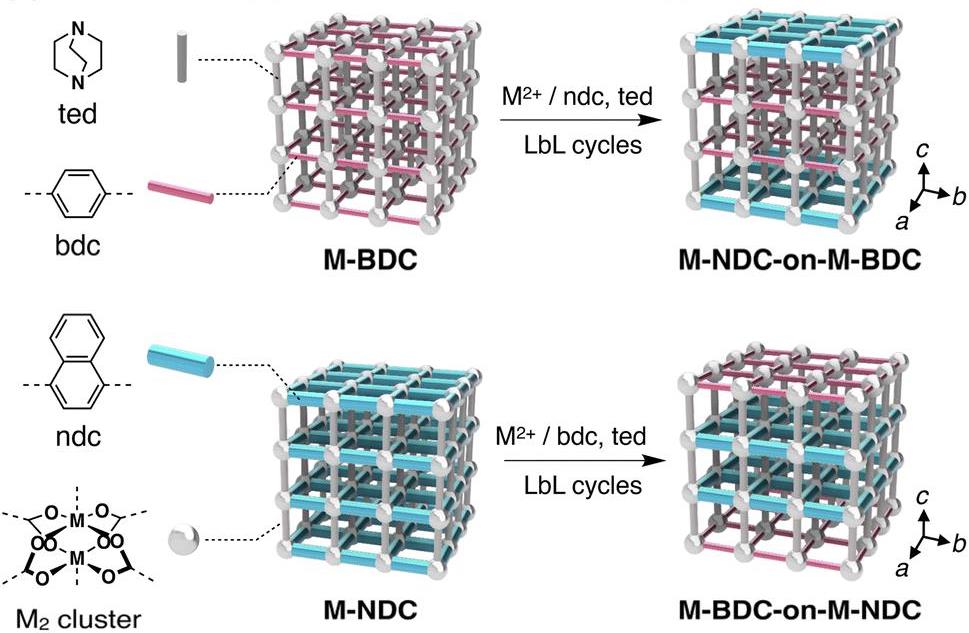
Fig. 4 Modular structures of MOF-on-MOF multidomain crystals[50]
| Architecture | Structural features | Advantages & limitations | Typical analytes | Representative composites |
|---|---|---|---|---|
| Core-shell | functional modification or rigid coating of MOFs via heterogeneous shells (polymers,COFs,SiO2,biomacromolecules) | advantages: shell shielding prevents hydrolysis/collapse; introduces meso/macropores to lower diffusion resistance; limitations: multi-step assembly is time-consuming; precise control over shell thickness is challenging | PAHs,flavonoids,enzyme substrates/inhibitors,sulfonamides | SiO2@NH2-UiO-66@CTF[ |
| Host-guest encapsulation | confinement of functional guests (enzymes,ILs,MNPs,macrocycles) within MOF micropores or mesoporous cages | advantages: “confinement effect” prevents guest leaching or aggregation; confers catalytic,chiral,or magnetic functions; limitations: guest size limited by apertures; high loading may block channels and increase backpressure | gas molecules,chiral drugs,alkaloids,positional isomers | CB6@MIL-101[ |
| Skeleton hybrid | lattice-level integration of two frameworks via epitaxial growth,interfacial coordination,or cycloaddition | advantages: heterogeneous interfaces induce coupling effects; dual frameworks create complex pore environments to enhance selectivity; limitations: requires high lattice matching; inevitable interfacial defects limit universality | positional isomers,chiral enantiomers,amino acids & antibiotics,complex polymer mixtures | MOF-on-MOF (BDC/NDC)[ |
Table 1 Comparison of performance characteristics and applications of MOFs-based composites with different construction strategies
| Architecture | Structural features | Advantages & limitations | Typical analytes | Representative composites |
|---|---|---|---|---|
| Core-shell | functional modification or rigid coating of MOFs via heterogeneous shells (polymers,COFs,SiO2,biomacromolecules) | advantages: shell shielding prevents hydrolysis/collapse; introduces meso/macropores to lower diffusion resistance; limitations: multi-step assembly is time-consuming; precise control over shell thickness is challenging | PAHs,flavonoids,enzyme substrates/inhibitors,sulfonamides | SiO2@NH2-UiO-66@CTF[ |
| Host-guest encapsulation | confinement of functional guests (enzymes,ILs,MNPs,macrocycles) within MOF micropores or mesoporous cages | advantages: “confinement effect” prevents guest leaching or aggregation; confers catalytic,chiral,or magnetic functions; limitations: guest size limited by apertures; high loading may block channels and increase backpressure | gas molecules,chiral drugs,alkaloids,positional isomers | CB6@MIL-101[ |
| Skeleton hybrid | lattice-level integration of two frameworks via epitaxial growth,interfacial coordination,or cycloaddition | advantages: heterogeneous interfaces induce coupling effects; dual frameworks create complex pore environments to enhance selectivity; limitations: requires high lattice matching; inevitable interfacial defects limit universality | positional isomers,chiral enantiomers,amino acids & antibiotics,complex polymer mixtures | MOF-on-MOF (BDC/NDC)[ |
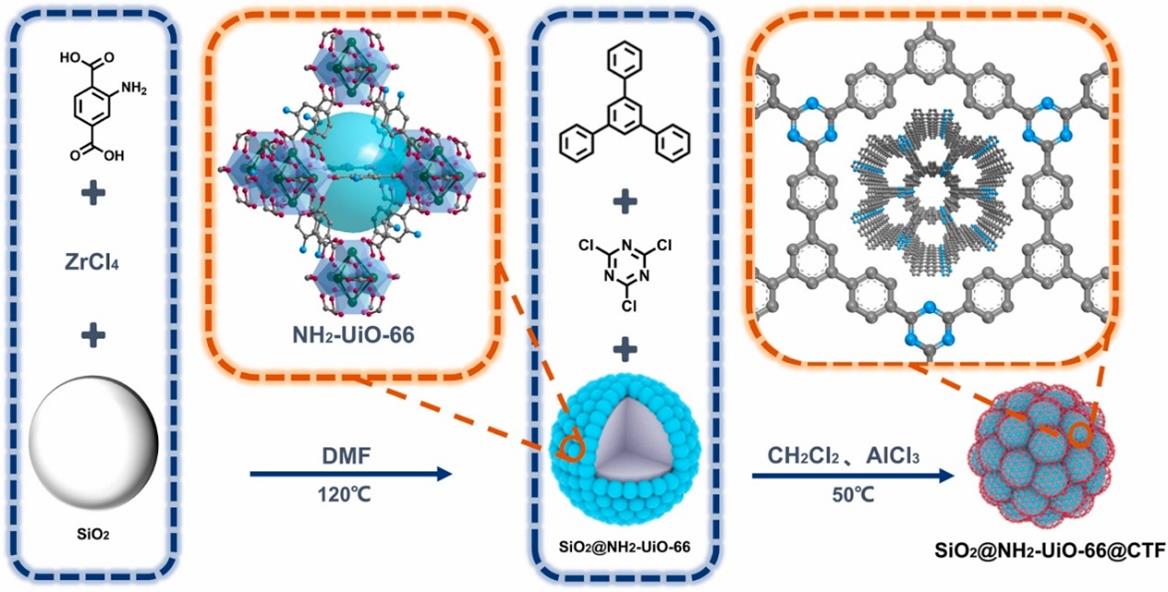
Fig. 5 Scheme for the synthesis of SiO2@NH2-UiO-66@CTF[54]
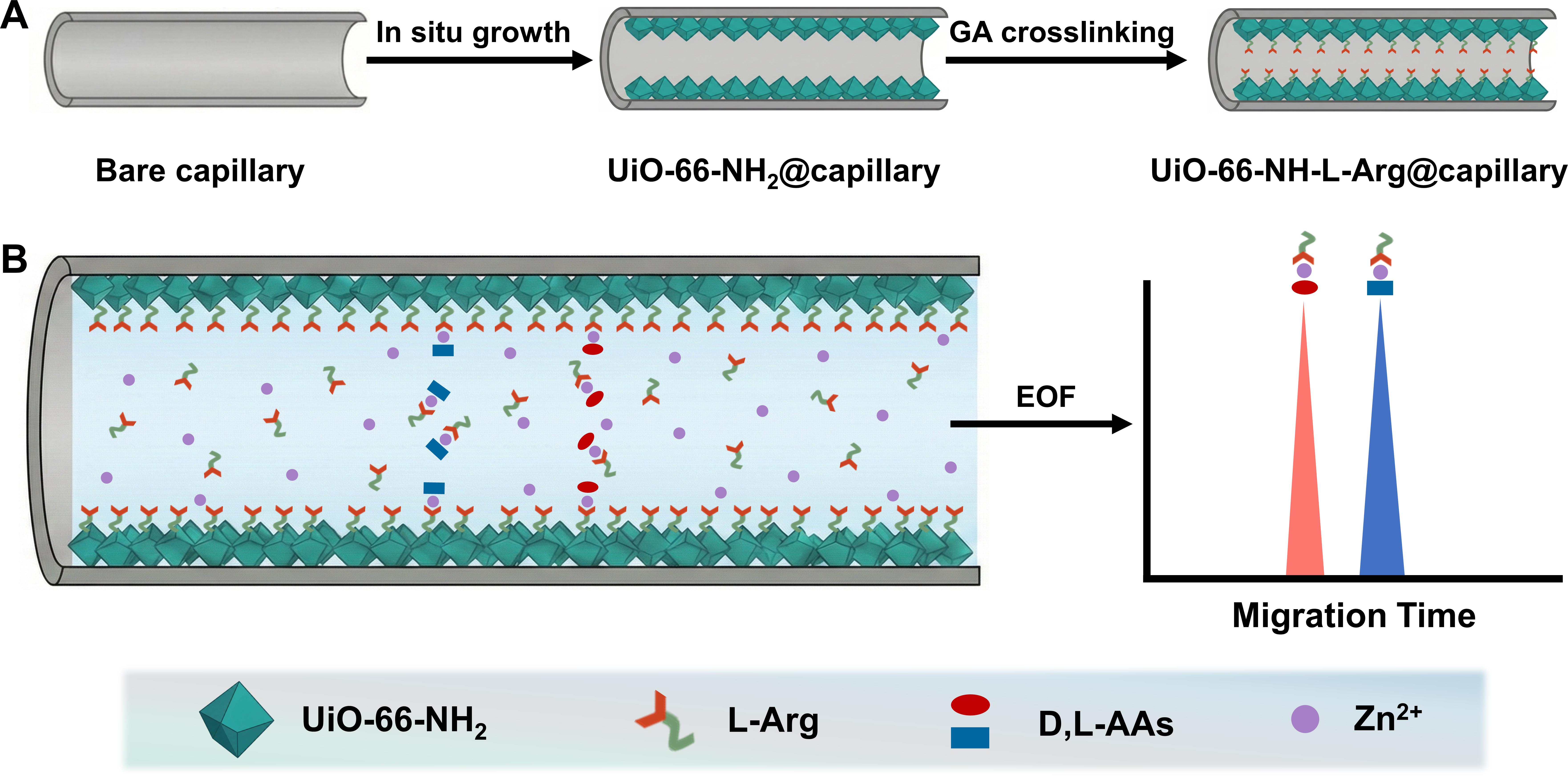
Fig. 6 Schematic illustration of the synthesis of UiO-66-NH-L-Arg@capillary columns[69]
|
| [1] | ZHAN Kunsong, TANG Mingzhu, LIN Ying, NI Linjun, YU Lishuang. Iron porphyrin metal-organic framework material for efficient enrichment of earthworm polypeptides [J]. Chinese Journal of Chromatography, 2026, 44(8): 960-967. |
| [2] | LI Shijie, LI Zhen, TANG Zixia, LYU Mei, WANG Litao. Research progress on high performance liquid chromatography stationary phases based on mixed mode [J]. Chinese Journal of Chromatography, 2026, 44(6): 615-628. |
| [3] | JIAO Ruiwen, ZHANG Dandan, HU Xingyuan, ZHU Wanting, LI Xiang, CAI Yidi, REN Dandan, WANG Qiukuan, WU Long, ZHOU Hui. Preparation of a novel polyhydroxy silica stationary phase and application in the separation of alginate oligosaccharides [J]. Chinese Journal of Chromatography, 2026, 44(4): 373-382. |
| [4] | ZHANG Yufan, XIA Jingwen, ZHU Jiayuan, ZENG Maosheng, BAI Jingyi, XU Qin, GAO Hang. Application of molecularly imprinted polymers-based sensors for determination of acute coronary syndrome biomarkers [J]. Chinese Journal of Chromatography, 2026, 44(2): 180-190. |
| [5] | LI Fei, JIA Baolin, HU Qiao, HE Xiwen, CHEN Langxing, ZHANG Yukui. Molecularly imprinted polymers: novel green preparation methods and cutting-edge applications review [J]. Chinese Journal of Chromatography, 2026, 44(2): 119-133. |
| [6] | LI Yaxin, LU Minghua. Preparation strategies of magnetite/metal-organic framework composites and their application progress in sample pretreatment [J]. Chinese Journal of Chromatography, 2026, 44(11): 1334-1345. |
| [7] | ZHANG Xuhan, XU Ming, GU Zhiyuan. Recent advances in gas chromatographic separation of C8 aromatic isomers using metal-organic framework stationary phases [J]. Chinese Journal of Chromatography, 2026, 44(11): 1265-1283. |
| [8] | ZHENG Junying, ZENG Hongyan, WU Xiaoping. Enrichment and analysis of trace microcystins in environmental water based on metal-organic framework HKUST-1 functionalized polymer monolithic column [J]. Chinese Journal of Chromatography, 2026, 44(11): 1367-1379. |
| [9] | LIU Limeng, XIE Wenzhe, QU Yanying, CAI Tianpei, LI Donghao, SHANG Haibo. Structural features and regulation of adsorption/separation properties of photoresponsive metal-organic frameworks [J]. Chinese Journal of Chromatography, 2026, 44(10): 1150-1161. |
| [10] | ZHANG Zhen, WANG Xuemei, ZHANG Xinzhong, DU Xinzhen, LU Xiaoquan. Research progress of metal-organic frameworks and their composite materials in solid-phase (micro)extraction techniques [J]. Chinese Journal of Chromatography, 2026, 44(10): 1129-1149. |
| [11] | WANG Xuan, WANG Chunxiao, XIA Yan. Trifluoroacetic acid-modulated synthesis of defective UiO-66 for highly efficient removal of sodium p-perfluorous nonenoxybenzenesulfonate [J]. Chinese Journal of Chromatography, 2026, 44(10): 1223-1232. |
| [12] | LI Sainan, YIN Xiaoju, LIU Jiawei, YANG Yang, BAI Quan. Fluorine-functionalized zirconium-based metal-organic framework immobilized thin film microextraction array for high-throughput analysis of glyphosate residues [J]. Chinese Journal of Chromatography, 2026, 44(10): 1233-1242. |
| [13] | WU Jiangyi, HUANG Xiaojia. Progress in electric field assisted molecular imprinting technology [J]. Chinese Journal of Chromatography, 2026, 44(1): 43-52. |
| [14] | YUAN Xueting, WANG Liang, CHEN Luxi, HU Lianghai. Molecular imprinting strategies and advances targeting biomembranes [J]. Chinese Journal of Chromatography, 2026, 44(1): 30-42. |
| [15] | HUANG Jingying, YAN Jingyi, Ji QI, CHEN Lingxin, LI Jinhua. Applications of metal/covalent-organic framework compositing molecularly imprinted materials-based solid-phase extraction combined with chromatography and mass spectrometry for screening and recognition of new pollutants in coastal zone [J]. Chinese Journal of Chromatography, 2025, 43(8): 841-856. |
| Viewed | ||||||
|
Full text |
|
|||||
|
Abstract |
|
|||||


