色谱 ›› 2026, Vol. 44 ›› Issue (10): 1243-1250.DOI: 10.3724/SP.J.1123.2026.01012

• 研究论文 • 上一篇    下一篇

非可逆偶氮共价有机骨架用于水中2,5-二氯-1,4-苯醌的吸附

冉旭芹2,*(), 杨旭2, 龙朝一2, 钱海龙1,2, 严秀平1,2   

  1. 1.江南大学食品科学与资源挖掘全国重点实验室,江苏 无锡 214122
    2.江南大学食品学院分析食品安全学研究所,江苏 无锡 214122
  • 收稿日期:2026-01-21 出版日期:2026-10-08 发布日期:2026-10-13
  • 通讯作者: *Tel:0510-85916732,E-mail:ranxuqin@163.com.
  • 基金资助:
    国家自然科学基金(22504045)

Irreversible azo covalent organic framework for adsorption of 2,5-dichloro-1,4-benzoquinone from water

RAN Xuqin2,*(), YANG Xu2, LONG Chaoyi2, QIAN Hailong1,2, YAN Xiuping1,2   

  1. 1.State Key Laboratory of Food Science and Resources,Jiangnan University,Wuxi 214122,China
    2.Institute of Analytical Food Safety,School of Food Science and Technology,Jiangnan University,Wuxi 214122,China
  • Received:2026-01-21 Online:2026-10-08 Published:2026-10-13
  • Supported by:
    National Natural Science Foundation of China(22504045)

摘要:

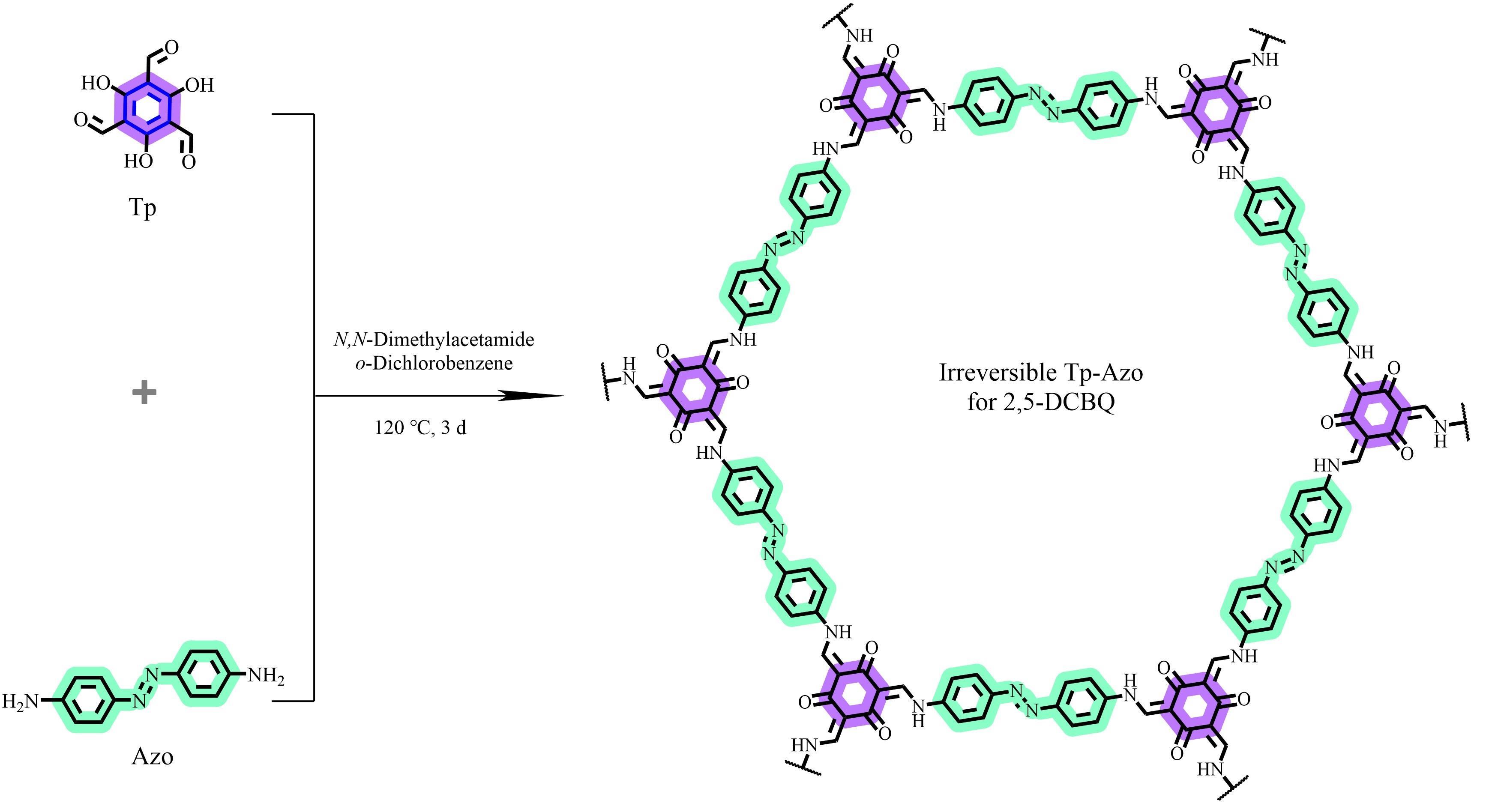
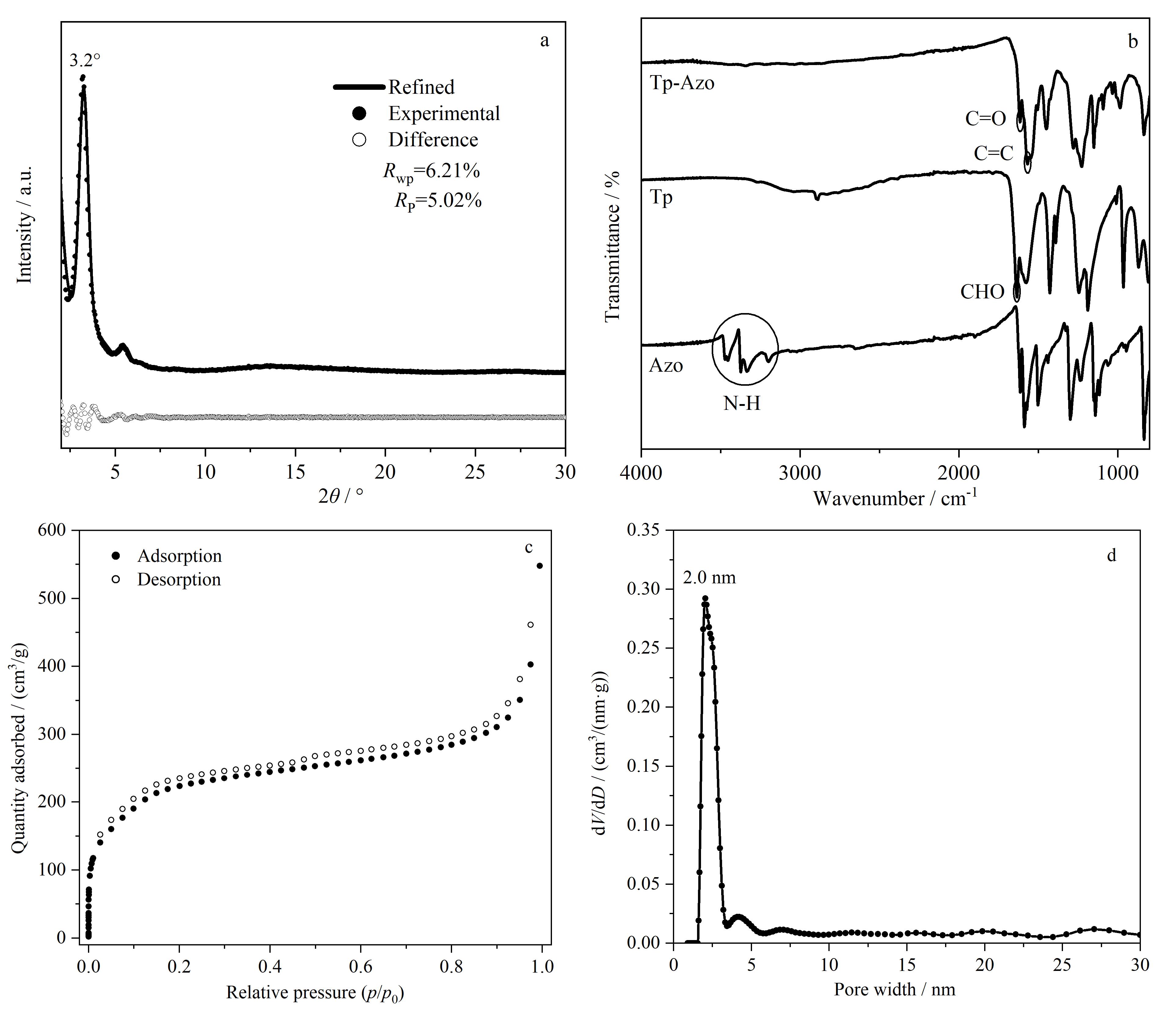
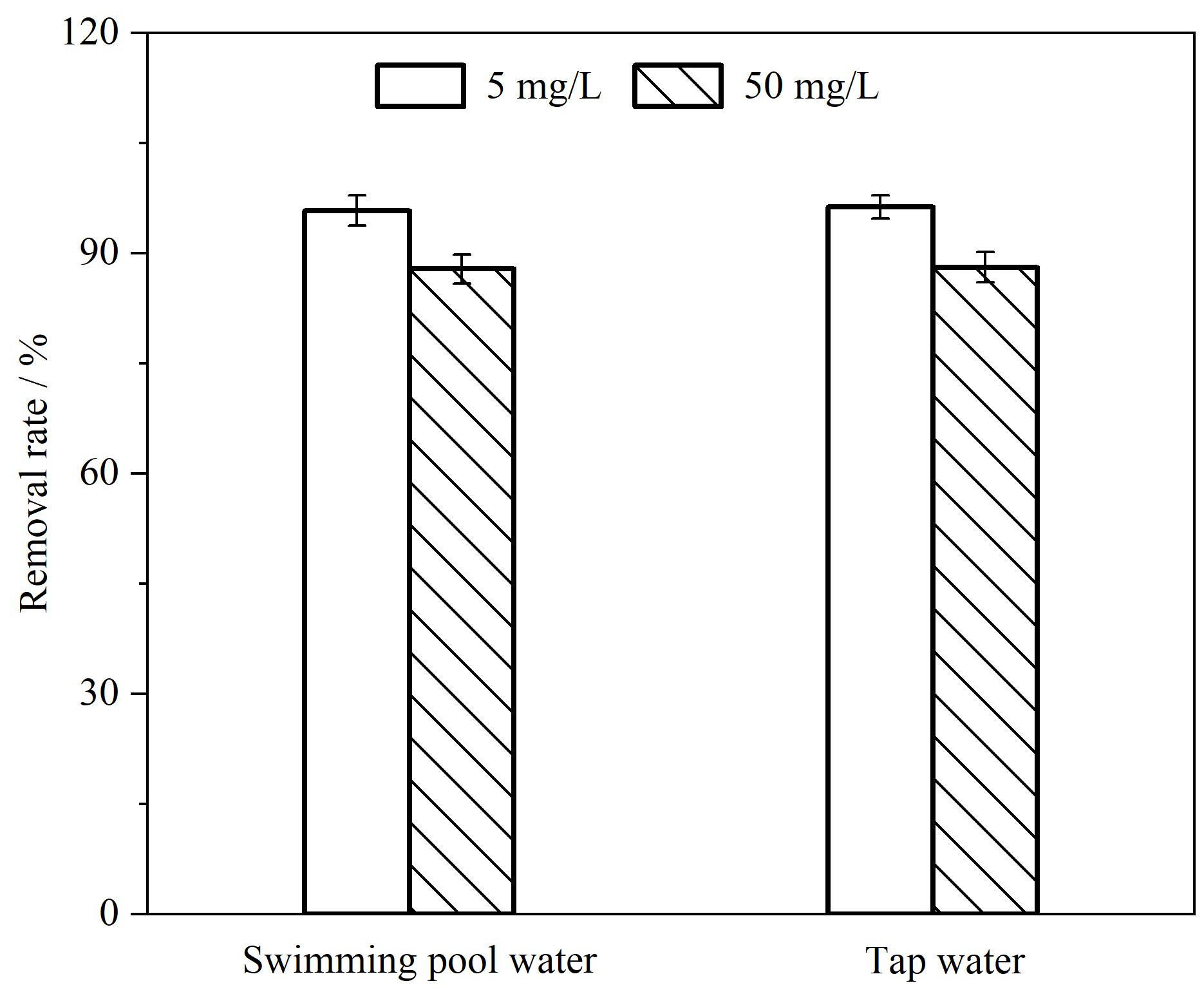
2,5-二氯-1,4-苯醌(2,5-DCBQ)是一种典型的卤代消毒副产物,其高效吸附去除对于保证水资源安全具有重要意义。本文以1,3,5-三醛基间苯三酚(Tp)为醛基单体,对二氨基偶氮苯(Azo)为氨基单体,通过互变异构反应制备了一种非可逆酮烯胺式偶氮共价有机骨架(Tp-Azo),并用于高效吸附去除水中的2,5-DCBQ。所制备的Tp-Azo比表面积为824.5 m2/g,孔径分布约为2.0 nm。在电子给体-受体相互作用、π-π相互作用和疏水相互作用等多重机制协同下,Tp-Azo能在20 min内实现对2,5-DCBQ的快速吸附平衡,最大吸附容量高达427.4 mg/g。与已报道的去除消毒副产物的工作相比,基于Tp-Azo的2,5-DCBQ去除表现出更高的吸附容量以及更短的吸附平衡时间。在实际水体(包括自来水和泳池水)中,当2,5-DCBQ含量分别为5 mg/L和50 mg/L时,Tp-Azo对其去除效率可达87.9%~96.6%。本研究为环境体系中卤代消毒副产物的高效去除提供了新选择。

关键词: 非可逆共价有机骨架, 氯代苯醌, 吸附, 去除

Abstract:

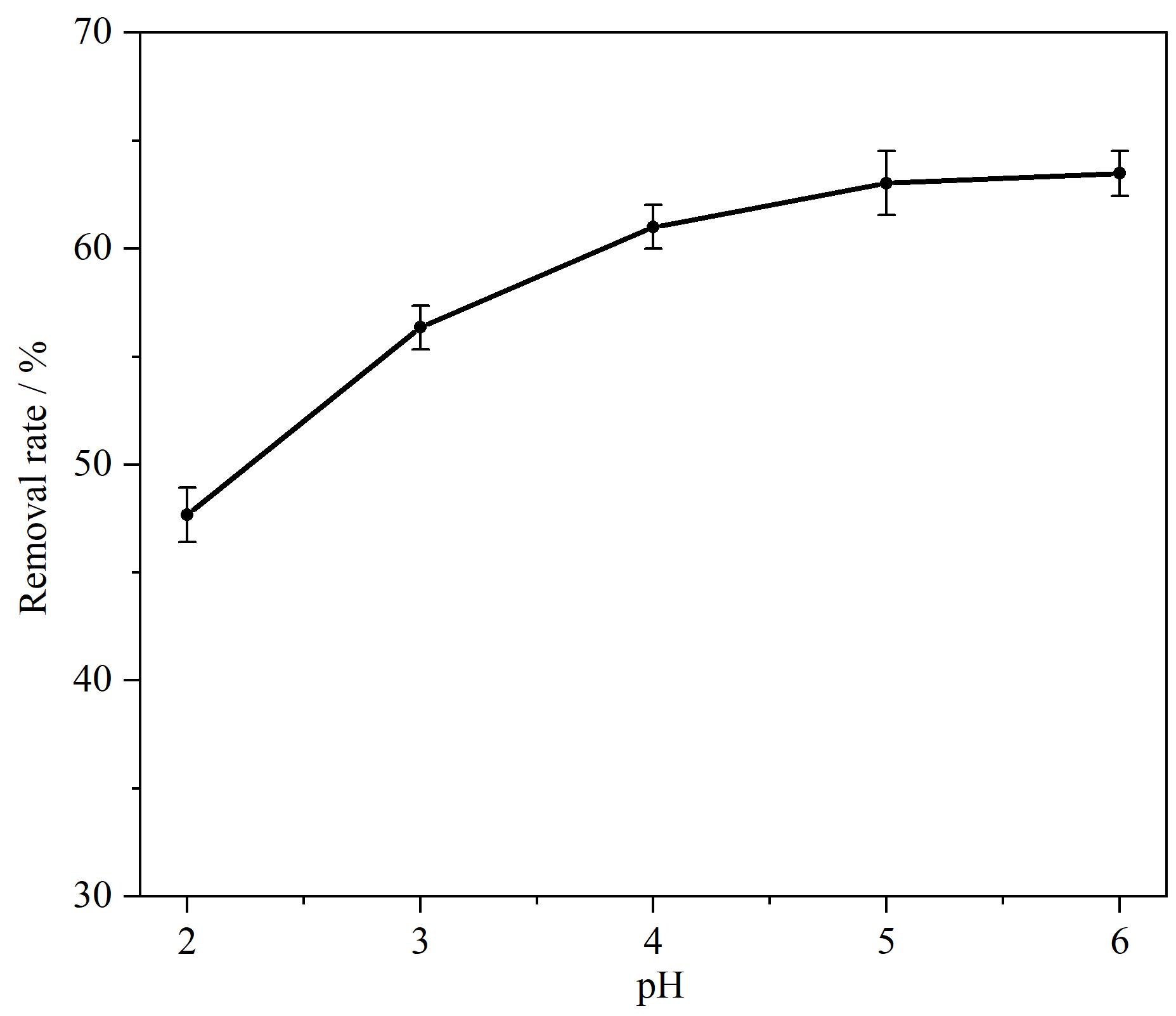
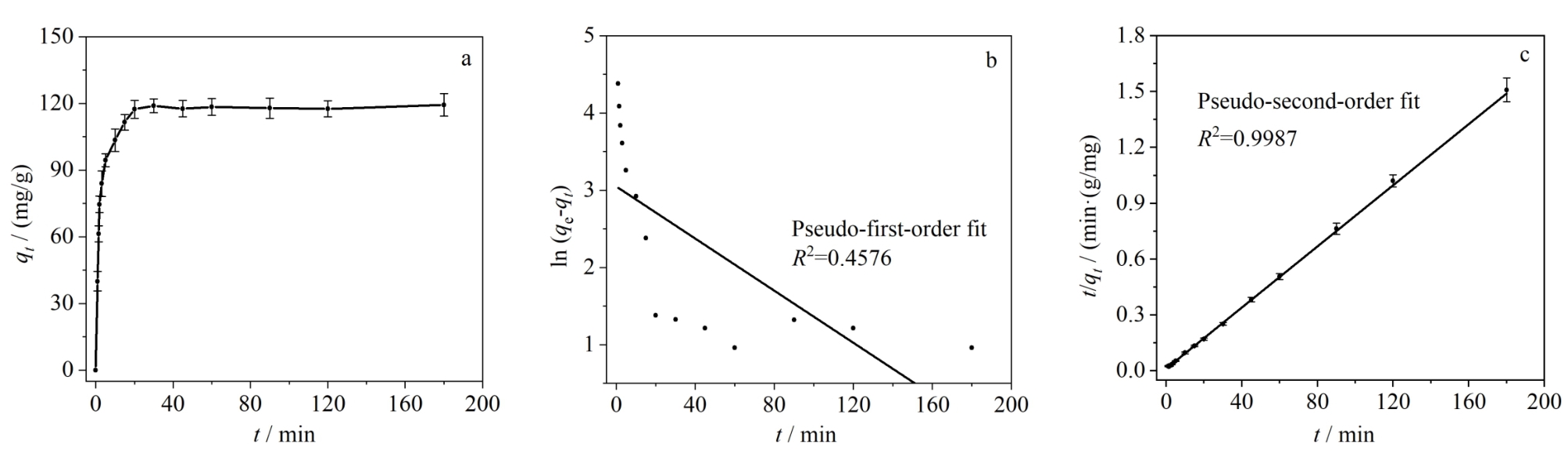
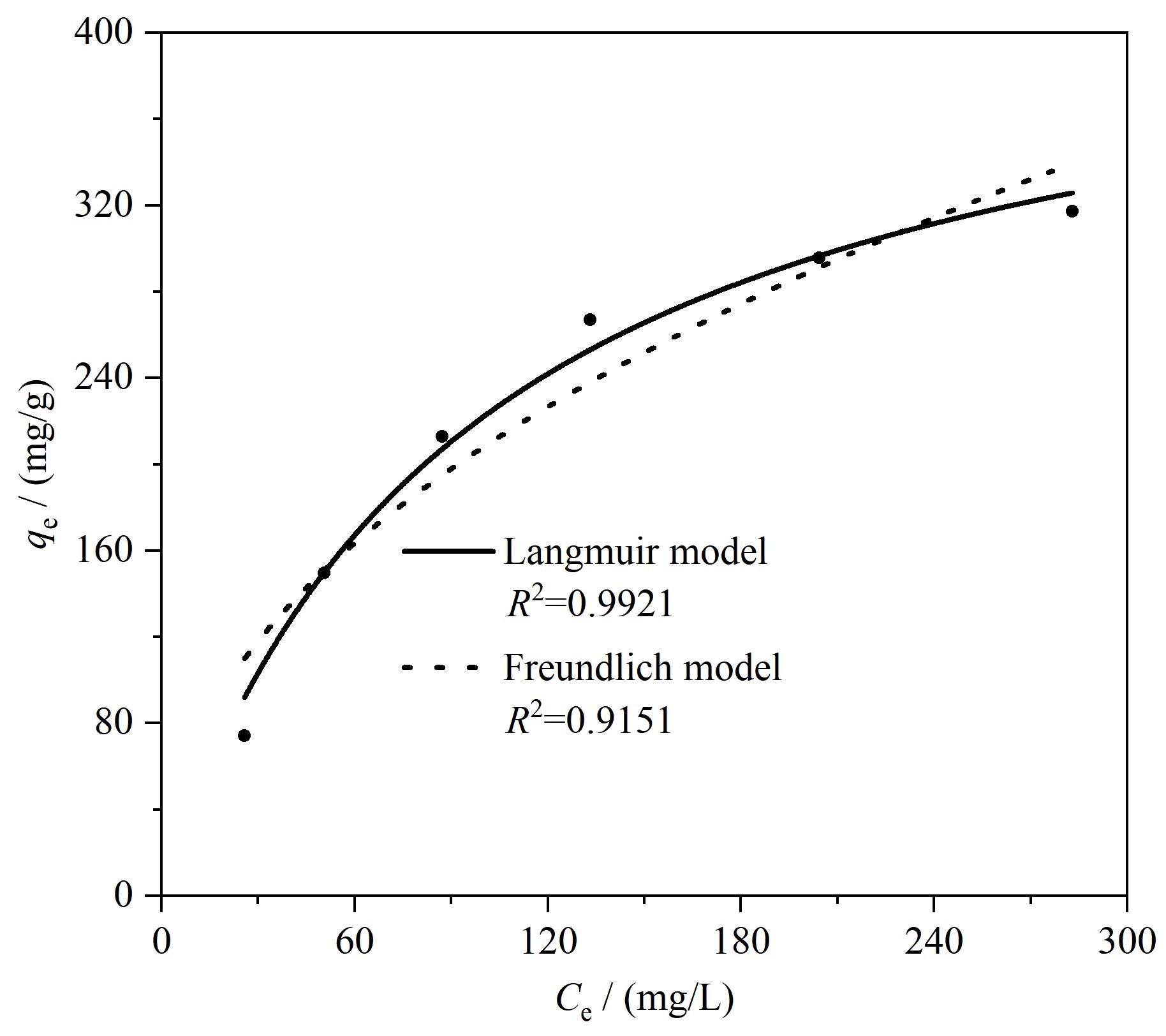
The disinfection of water is a fundamental and indispensable process in modern public health infrastructure. It plays a pivotal role in safeguarding drinking water safety by inactivating pathogenic microorganisms such as bacteria and viruses, thereby preventing waterborne disease outbreaks. However, a significant and well-documented drawback of chemical disinfection, particularly with chlorine-based agents, is the formation of disinfection byproducts (DBPs). These DBPs are generated through complex reactions between disinfectants and natural organic matter present in source water. Among the vast array of identified DBPs, halogenated compounds are of particular concern due to their enhanced toxicity and persistence. 2,5-Dichloro-1,4-benzoquinone (2,5-DCBQ) is a prominent representative of these toxic halogenated DBPs. Toxicological studies have conclusively demonstrated that 2,5-DCBQ can induce pronounced oxidative stress in mammalian cells. This leads to a cascade of detrimental effects including a marked increase in intracellular reactive oxygen species. Subsequently, the detrimental effects may cause DNA single-strand breaks, oxidative base damage, and chromosomal aberrations. Consequently, developing effective technologies for the targeted removal of 2,5-DCBQ from aqueous environments is of paramount importance for mitigating its associated health risks. Current removal strategies, including adsorption using solid-phase materials, often suffer from several limitations. These include reliance on a single interaction mechanism, modest adsorption capacities, or slow kinetics. This hinders their practical application for efficient 2,5-DCBQ control. To address these challenges, this study presents the design, synthesis, and application of a novel porous organic adsorbent. Termed Tp-Azo, this adsorbent is specifically engineered for the rapid and efficient removal of 2,5-DCBQ. Tp-Azo was synthesized via a condensation reaction and possesses an exceptionally high specific surface area of 824.5 m2/g. It incorporates a high density of electron-rich azo (-N=N-) functional groups within its framework. These groups act as strong electron donors, enabling potent electron donor-acceptor interactions with the electron-deficient quinone ring of 2,5-DCBQ. Furthermore, the predominantly aromatic backbone of Tp-Azo facilitates strong π-π stacking interactions with the aromatic structure of 2,5-DCBQ. The inherent hydrophobicity of Tp-Azo promotes additional adsorption via hydrophobic effects. Critically, the material possesses an average pore diameter of approximately 2.0 nm. It is substantially larger than the estimated molecular kinetic diameter of 2,5-DCBQ. This suitable pore size ensures minimal diffusion resistance, allowing 2,5-DCBQ to rapidly access the internal adsorption sites.The adsorption performance of Tp-Azo was systematically evaluated under various conditions. Under pH 2-3, the adsorption efficiency was reduced. This is attributed to the protonation of 2,5-DCBQ, which diminishes its hydrophobicity. The shielding effect of high H⁺ concentration can also weaken electrostatic interactions. In contrast, within pH 4-6, Tp-Azo exhibited consistently high removal rates. Therefore, pH 5 was selected as the optimal condition for subsequent experiments to simulate typical water treatment scenarios. The adsorption kinetics were remarkably fast within the first 3 min and complete equilibrium was reached within 20 min. The kinetics were best described by the pseudo-second-order model, indicating that the adsorption process is primarily governed by chemisorption. Isotherm studies revealed that the adsorption capacity increased with the initial 2,5-DCBQ concentration. They were accurately modeled by the Langmuir isotherm, suggesting a homogeneous adsorption surface and monolayer coverage. The calculated maximum adsorption capacity was significantly higher than that reported for many conventional adsorbents.Swimming pool water and tap water were spiked with 2,5-DCBQ at 5 mg/L and 50 mg/L. Impressively, Tp-Azo achieved removal efficiencies of 96.2% and 96.6% at 5 mg/L, 87.9% and 88.7% at 50 mg/L, respectively. Given that realistic environmental concentrations of halogenated DBPs like 2,5-DCBQ are typically in the μg/L range, this suggests that Tp-Azo is highly capable of achieving virtually complete removal in real-world applications. The study provides a novel and highly effective material enabling targeted removal of halogenated DBPs. It also offers a strategic design principle for developing advanced adsorbents for DBPs in water treatment.

Key words: irreversible covalent organic framework, chlorinated benzoquinone, adsorption, removal

中图分类号: