色谱 ›› 2026, Vol. 44 ›› Issue (6): 721-728.DOI: 10.3724/SP.J.1123.2025.06006

• 教学研究 • 上一篇    

本科仪器分析实验教学设计:响应面法优化QuEChERS结合气相色谱-质谱检测茶叶中联苯菊酯农药残留

谷春秀*()   

  1. 北京联合大学生物化学工程学院,北京 100023
  • 收稿日期:2025-06-10 出版日期:2026-06-08 发布日期:2026-06-03
  • 通讯作者: *Tel:010-52072331,E-mail:guchx0527@163.com.

Experimental teaching design of instrument analysis for undergraduate study: detection of bifenthrin pesticide residues in tea by response surface methodology-optimized QuEChERS combined with gas chromatography-mass spectrometry

GU Chunxiu*()   

  1. Biochemical Engineering College,Beijing Union University,Beijing 100023,China
  • Received:2025-06-10 Online:2026-06-08 Published:2026-06-03

摘要:

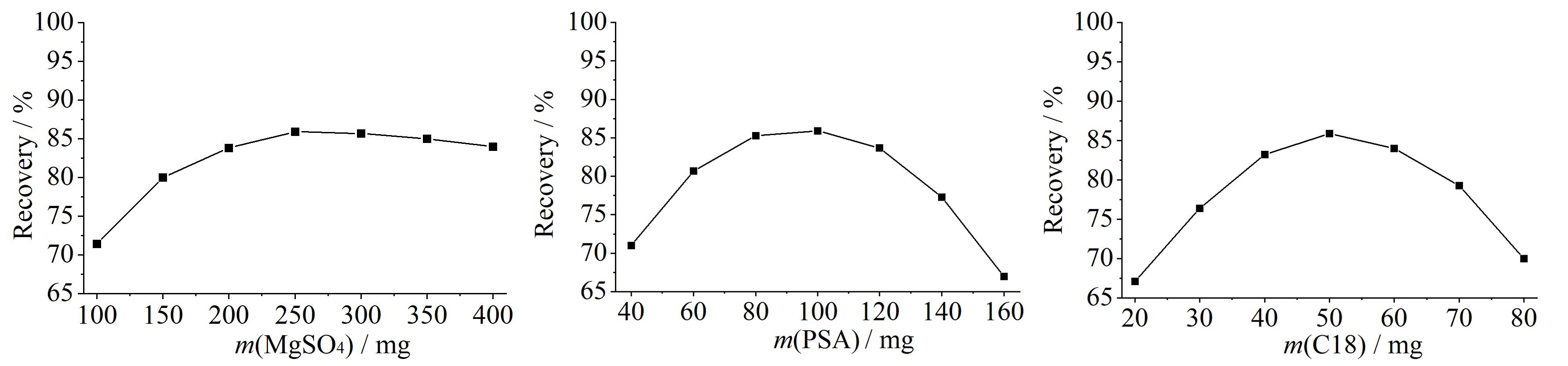
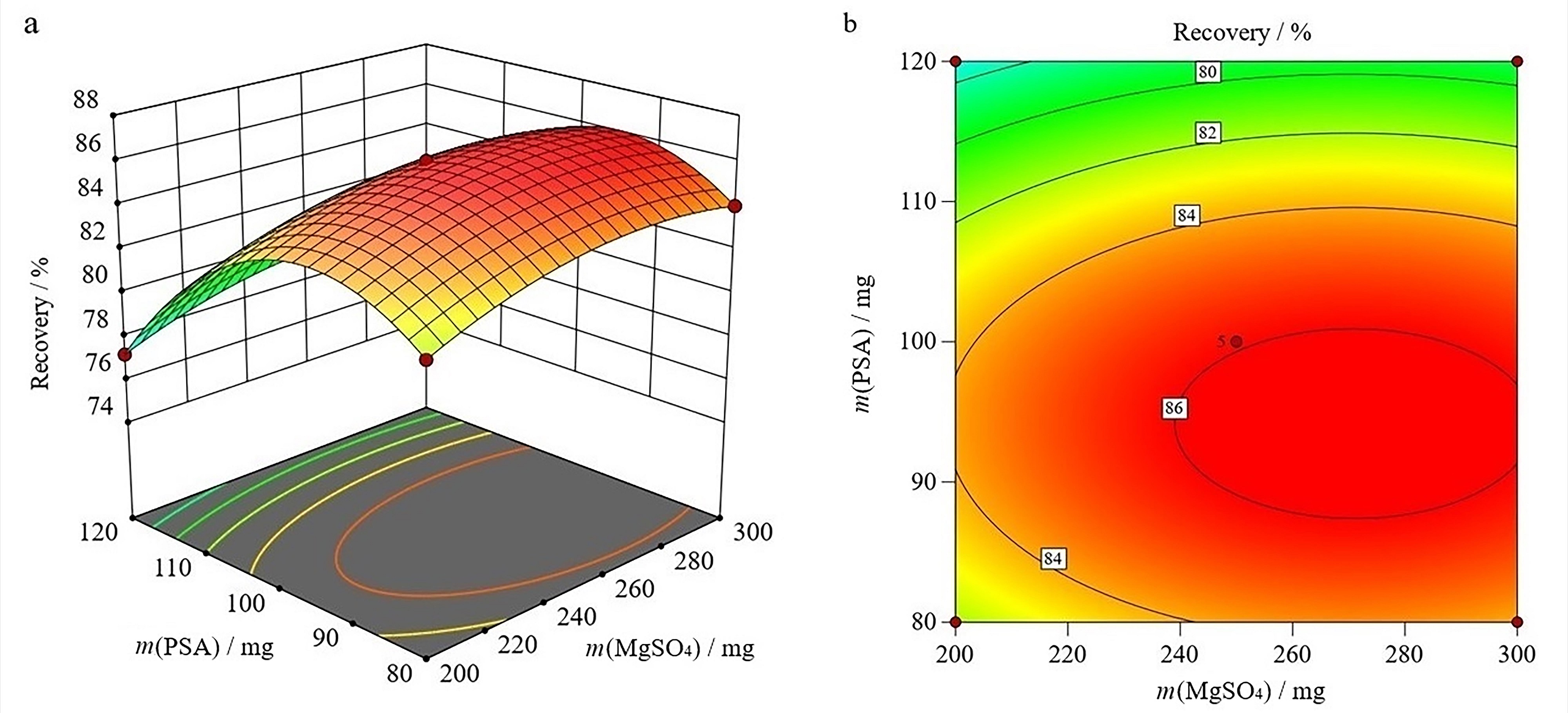
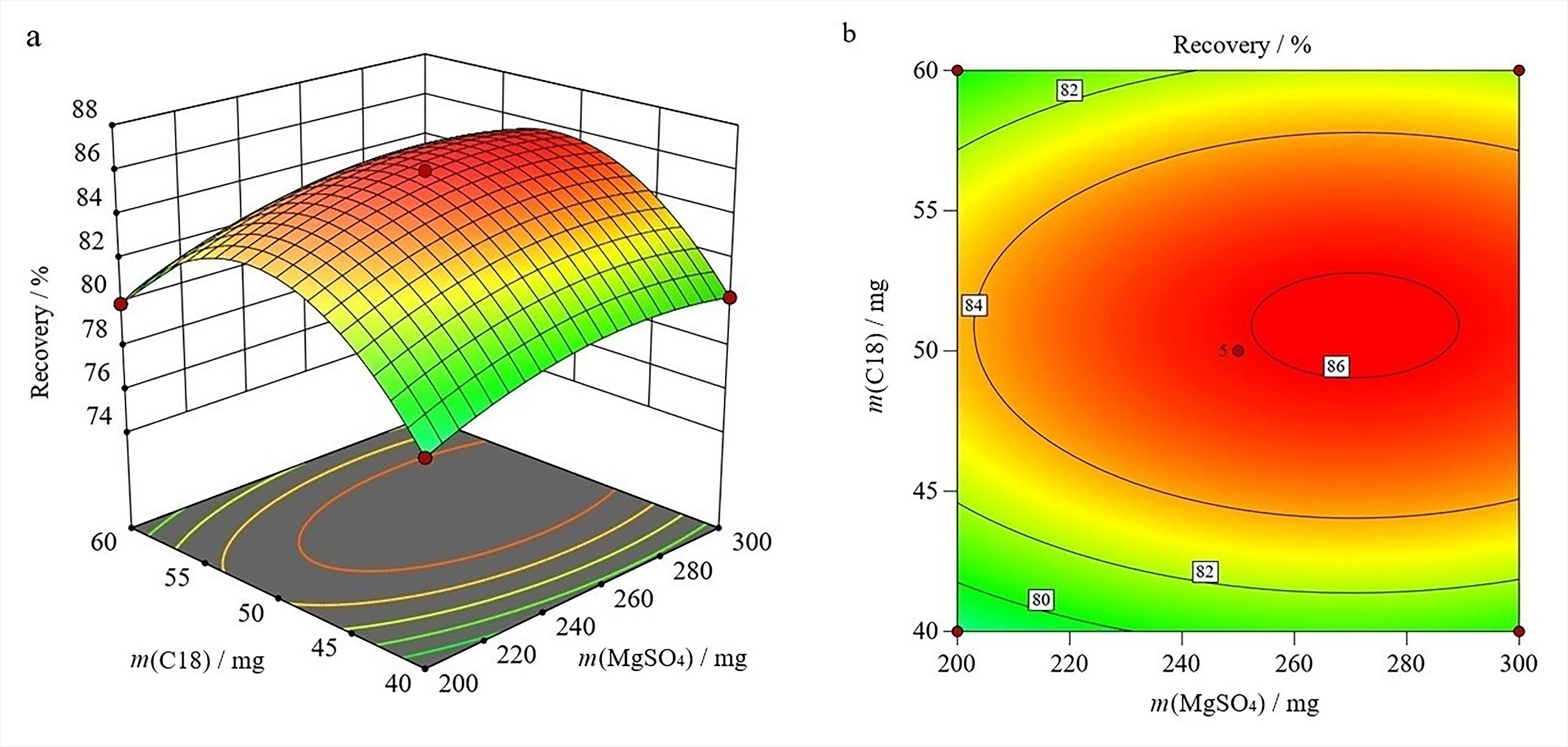
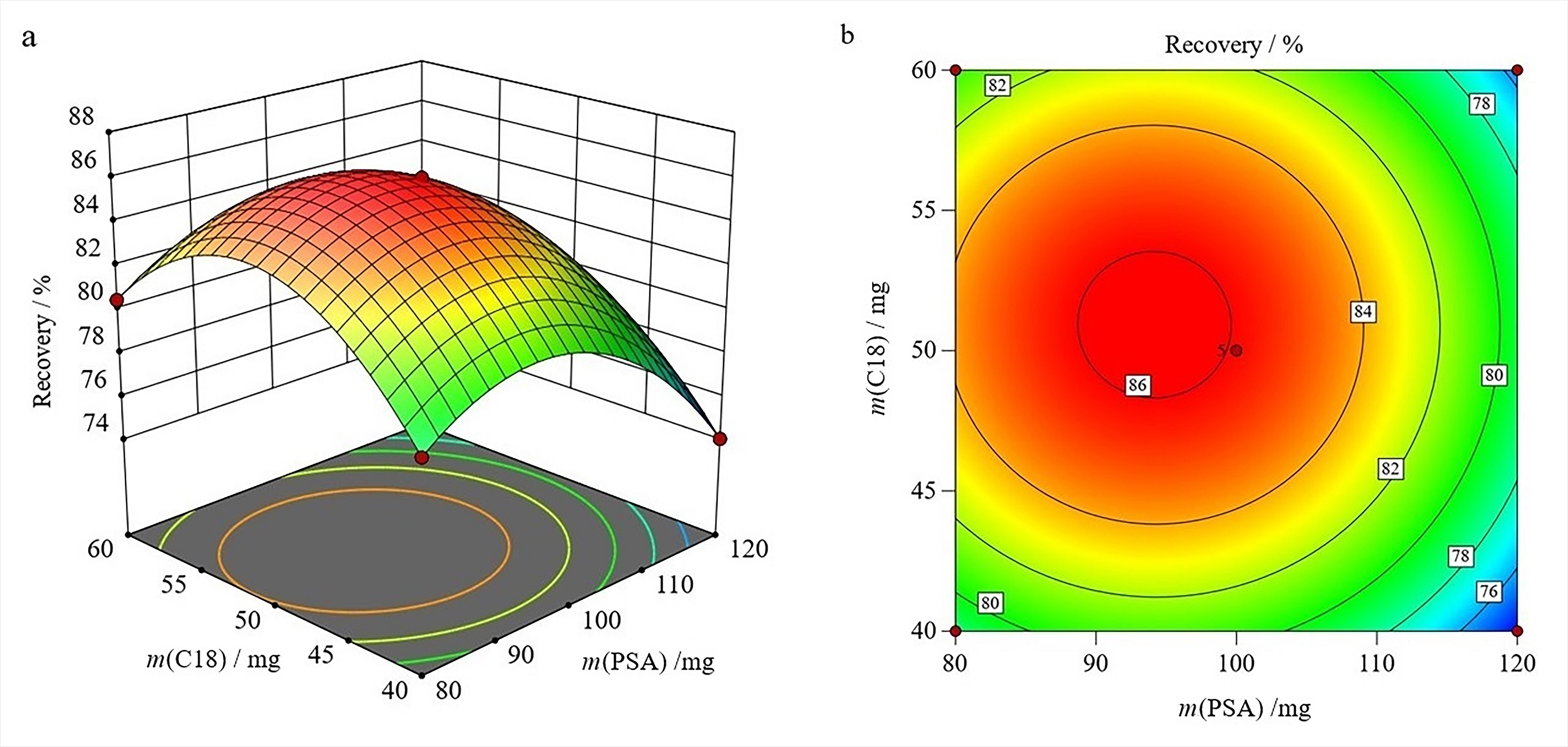
本文针对制药工程专业本科实验教学需求,设计了一套基于QuEChERS-GC-MS联用技术检测茶叶中联苯菊酯农药残留的实验方案。实验内容包括样品前处理、QuEChERS实验条件的单因素筛选和响应面法优化、GC-MS分析方法建立、茶叶样品中联苯菊酯农药残留的测定以及实验数据处理等环节,旨在培养学生综合运用现代分析技术解决实际问题的能力。通过该实验,学生可以掌握GC-MS仪器设备的基本原理和操作技能,了解真实样品中农药残留分析的完整流程,体会样品前处理对复杂体系中痕量组分分析的重要性。在单因素实验选择的QuEChERS实验条件下,茶叶样品中联苯菊酯的回收率为85.9%;在响应面法优化的QuEChERS实验条件下,茶叶样品中联苯菊酯的回收率可达90.33%。在38份茶叶样品中,有12份样品检测出了联苯菊酯,最大检出值为0.911 mg/kg,均未超出食品安全国家标准GB 2763-2021规定的茶叶中联苯菊酯的最大残留限量。本教学设计包括实验前相关内容学习、实验中操作技能训练和实验后数据分析,不仅能激发学生的学习兴趣,还能培养学生严谨的科学思维,让学生在全流程学习过程中主动面对问题,积极分析问题,设法解决问题。

关键词: 仪器分析实验, 样品前处理, 气相色谱-质谱, 联苯菊酯, 农药残留, 实验教学

Abstract:

This paper designs an experimental scheme to meet the undergraduate experimental teaching requirements of the Pharmaceutical Engineering major. The content focuses on the detection of bifenthrin pesticide residue in tea by QuEChERS-GC-MS. The experimental contents include sample pretreatment, single-factor screening and response surface methodology optimization of QuEChERS experimental conditions, establishment of a GC-MS analysis method, determination of bifenthrin pesticide residues in tea samples, and experimental data processing. It aims to cultivate students’ ability to comprehensively apply modern analytical techniques to solve practical problems. Through this experiment, students can master the basic principles and operational skills of GC-MS instruments and equipment, and understand the complete process of pesticide residue analysis in real samples, and recognize the importance of sample pretreatment for the analysis of trace components in complex systems. Under the QuEChERS experimental conditions screened in the single-factor experiment, the recovery rate of bifenthrin in the tea samples was 85.9%. Under the QuEChERS experimental conditions optimized by the response surface methodology, the recovery rate of bifenthrin in tea samples can reach 90.33%. Among the 38 tea samples, bifenthrin was detected in 12 samples, with the maximum detected value of 0.911 mg/kg. None of them exceeded the maximum residue limit of bifenthrin in tea stipulated in the National Food Safety Standard GB 2763-2021. This teaching design involves learning relevant content before the experiment, training operational skills during the experiment, and conducting data analysis after the experiment. It can not only stimulate students’ interest in learning, but also cultivate their rigorous scientific thinking. It enables students to proactively face problems, actively analyze them and try to solve them throughout the entire learning process.

Key words: instrumental analysis experiment, sample pretreatment, gas chromatography-mass spectrometry (GC-MS), bifenthrin, pesticide residue, experimental teaching

中图分类号: