
Chinese Journal of Chromatography ›› 2026, Vol. 44 ›› Issue (10): 1118-1128.DOI: 10.3724/SP.J.1123.2025.12022
• Reviews • Previous Articles Next Articles
HUANG Zexin, TANG Sheng*( )
Received:2025-12-23
Online:2026-10-08
Published:2026-10-13
Supported by:CLC Number:
HUANG Zexin, TANG Sheng. Recent advances in porous materials based silica stationary phases for liquid chromatography[J]. Chinese Journal of Chromatography, 2026, 44(10): 1118-1128.
Add to citation manager EndNote|Ris|BibTeX
URL: https://www.chrom-china.com/EN/10.3724/SP.J.1123.2025.12022
| Stationary phase | Target analytes | Separation modes | Ref. |
|---|---|---|---|
| [Zn2(D-Cam)2(4,4′-bpy)] n @SiO2 | benzene isomers, chiral compounds (alcohols, amines, epoxides, ketones, and esters) | NPLC | [ |
| MIP-202@SiO2 | positional isomers, chiral enantiomers, sulfonamides, nucleosides/bases, B vitamins | NPLC, HILIC | [ |
| 2D MOF-FDM-23@silica | sulfonamides, alkaloids, antibiotics, amino acid compounds | HILIC | [ |
| d-MOF-818/PAM@silica | nucleosides/bases, alkaloids, antibiotics, alkylbenzenes | HILIC, RPLC | [ |
| HP-UiO-66@SiO2 | aromatic alcohol homologues, xylene isomers | RPLC | [ |
| [BCMIM]Cl-Zr-MOF@SiO2 | PAHs, phthalates, phenyl ketones, sulfonamides, positional isomers | RPLC, HILIC, NPLC | [ |
| MIL-88A/Eutectogel@SiO2 | positional/enantiomeric isomers, antibiotics, nucleosides/bases, B vitamins, benzoic acids | HILIC, NPLC | [ |
| Fe-CD/MOF-808@SiO2 | positional/enantiomeric isomers, PAHs, sulfonamides, nucleosides | RPLC, HILIC, NPLC | [ |
| COF-TpPa-1@SiO2 | alkylbenzenes, anilines, phenols, nucleoside bases, PAHs | HILIC, RPLC | [ |
| SiO2@COF | sulfonamides, nucleosides, anilines, positional isomers, alkylbenzenes | HILIC, RPLC | [ |
| GSH-COFs@SiO2 | nucleosides/bases, benzoic acids, anilines, phenols, alkylbenzenes, PAHs | HILIC, RPLC | [ |
| ZIV-COF@SiO2 | nucleosides, sulfonamides, PAHs, positional isomers, benzoic acids | HILIC, RPLC, IEC | [ |
| 3D-IL-COF@SiO2 | nucleosides/bases, sulfonamides, antibiotics, vitamins, phenyl ketones, PAHs, alkylbenzenes, phthalate esters, benzoic acid | HILIC, RPLC, IEC | [ |
| TFB-DABD-COF@SiO2 | steroid hormones, bisphenols, alkylphenols, phthalate esters, PAHs, nucleosides | HILIC, RPLC | [ |
| CCOF17 and CCOF18 | amino acids, esters, lactones, amides, alcohols, aldehydes, ketones | NPLC | [ |
| PIL/COFDVA-TAPB@SiO2 | alkylbenzenes, nucleosides/bases, sulfonamides, anilines, phenols | HILIC, RPLC | [ |
| SiO2@NH2-UiO-66@CTF | alkylbenzenes, PAHs, anilines, organophosphorus pesticides | HILIC, RPLC | [ |
| AmCDs-CON@SiO2 | PAHs, steroid hormones, phthalate esters, aromatic ketones, nucleosides/bases, B vitamins | HILIC, RPLC | [ |
| NHG-COF@SiO2 | nucleoside/bases, sulfonamides, B vitamins, PAHs, alkylbenzenes, phenyl ketones, positional isomers, benzoic acids | HILIC, RPLC, IEC | [ |
| SMIP-COF@SiO2 | B vitamins, sulfonamides, alkylbenzenes, phenyl ketones, PAHs | HILIC, RPLC | [ |
| RCC3-C10@silica | alkylbenzenes, polyphenyl rings, phenols, anilines, sulfonamides, nucleosides, flavonoids | RPLC | [ |
| RCC3-CN@SiO2 | alkylbenzenes, phenolic compounds, acid compounds, sulfonamides, nucleosides | RPLC, HILIC | [ |
| CC19-R-based-CSP | racemates (4-chlorobenzhydrol, cetirizine, 1,2-diphenyl-1,2-ethanediol, methyl mandelate, ethyl mandelate, 2-methoxy-2-phenylethanol, 4,4′-dimethylbenzoin, fipronil) | NPLC | [ |
| RCC3-R-based-CSP | racemates (1-phenylethylamine, 4,4′-dimethylbenzoin, 3-(benzyloxy)propane-1,2-diol, 1,1′-bi-2-naphthol) | NPLC | [ |
| NC1-R-based CSPs | alcohols, diols, esters, ethers, ketones, epoxides, organic acids, amines | NPLC | [ |
Table 1 Typical porous materials based silica stationary phases developed in the past five years
| Stationary phase | Target analytes | Separation modes | Ref. |
|---|---|---|---|
| [Zn2(D-Cam)2(4,4′-bpy)] n @SiO2 | benzene isomers, chiral compounds (alcohols, amines, epoxides, ketones, and esters) | NPLC | [ |
| MIP-202@SiO2 | positional isomers, chiral enantiomers, sulfonamides, nucleosides/bases, B vitamins | NPLC, HILIC | [ |
| 2D MOF-FDM-23@silica | sulfonamides, alkaloids, antibiotics, amino acid compounds | HILIC | [ |
| d-MOF-818/PAM@silica | nucleosides/bases, alkaloids, antibiotics, alkylbenzenes | HILIC, RPLC | [ |
| HP-UiO-66@SiO2 | aromatic alcohol homologues, xylene isomers | RPLC | [ |
| [BCMIM]Cl-Zr-MOF@SiO2 | PAHs, phthalates, phenyl ketones, sulfonamides, positional isomers | RPLC, HILIC, NPLC | [ |
| MIL-88A/Eutectogel@SiO2 | positional/enantiomeric isomers, antibiotics, nucleosides/bases, B vitamins, benzoic acids | HILIC, NPLC | [ |
| Fe-CD/MOF-808@SiO2 | positional/enantiomeric isomers, PAHs, sulfonamides, nucleosides | RPLC, HILIC, NPLC | [ |
| COF-TpPa-1@SiO2 | alkylbenzenes, anilines, phenols, nucleoside bases, PAHs | HILIC, RPLC | [ |
| SiO2@COF | sulfonamides, nucleosides, anilines, positional isomers, alkylbenzenes | HILIC, RPLC | [ |
| GSH-COFs@SiO2 | nucleosides/bases, benzoic acids, anilines, phenols, alkylbenzenes, PAHs | HILIC, RPLC | [ |
| ZIV-COF@SiO2 | nucleosides, sulfonamides, PAHs, positional isomers, benzoic acids | HILIC, RPLC, IEC | [ |
| 3D-IL-COF@SiO2 | nucleosides/bases, sulfonamides, antibiotics, vitamins, phenyl ketones, PAHs, alkylbenzenes, phthalate esters, benzoic acid | HILIC, RPLC, IEC | [ |
| TFB-DABD-COF@SiO2 | steroid hormones, bisphenols, alkylphenols, phthalate esters, PAHs, nucleosides | HILIC, RPLC | [ |
| CCOF17 and CCOF18 | amino acids, esters, lactones, amides, alcohols, aldehydes, ketones | NPLC | [ |
| PIL/COFDVA-TAPB@SiO2 | alkylbenzenes, nucleosides/bases, sulfonamides, anilines, phenols | HILIC, RPLC | [ |
| SiO2@NH2-UiO-66@CTF | alkylbenzenes, PAHs, anilines, organophosphorus pesticides | HILIC, RPLC | [ |
| AmCDs-CON@SiO2 | PAHs, steroid hormones, phthalate esters, aromatic ketones, nucleosides/bases, B vitamins | HILIC, RPLC | [ |
| NHG-COF@SiO2 | nucleoside/bases, sulfonamides, B vitamins, PAHs, alkylbenzenes, phenyl ketones, positional isomers, benzoic acids | HILIC, RPLC, IEC | [ |
| SMIP-COF@SiO2 | B vitamins, sulfonamides, alkylbenzenes, phenyl ketones, PAHs | HILIC, RPLC | [ |
| RCC3-C10@silica | alkylbenzenes, polyphenyl rings, phenols, anilines, sulfonamides, nucleosides, flavonoids | RPLC | [ |
| RCC3-CN@SiO2 | alkylbenzenes, phenolic compounds, acid compounds, sulfonamides, nucleosides | RPLC, HILIC | [ |
| CC19-R-based-CSP | racemates (4-chlorobenzhydrol, cetirizine, 1,2-diphenyl-1,2-ethanediol, methyl mandelate, ethyl mandelate, 2-methoxy-2-phenylethanol, 4,4′-dimethylbenzoin, fipronil) | NPLC | [ |
| RCC3-R-based-CSP | racemates (1-phenylethylamine, 4,4′-dimethylbenzoin, 3-(benzyloxy)propane-1,2-diol, 1,1′-bi-2-naphthol) | NPLC | [ |
| NC1-R-based CSPs | alcohols, diols, esters, ethers, ketones, epoxides, organic acids, amines | NPLC | [ |
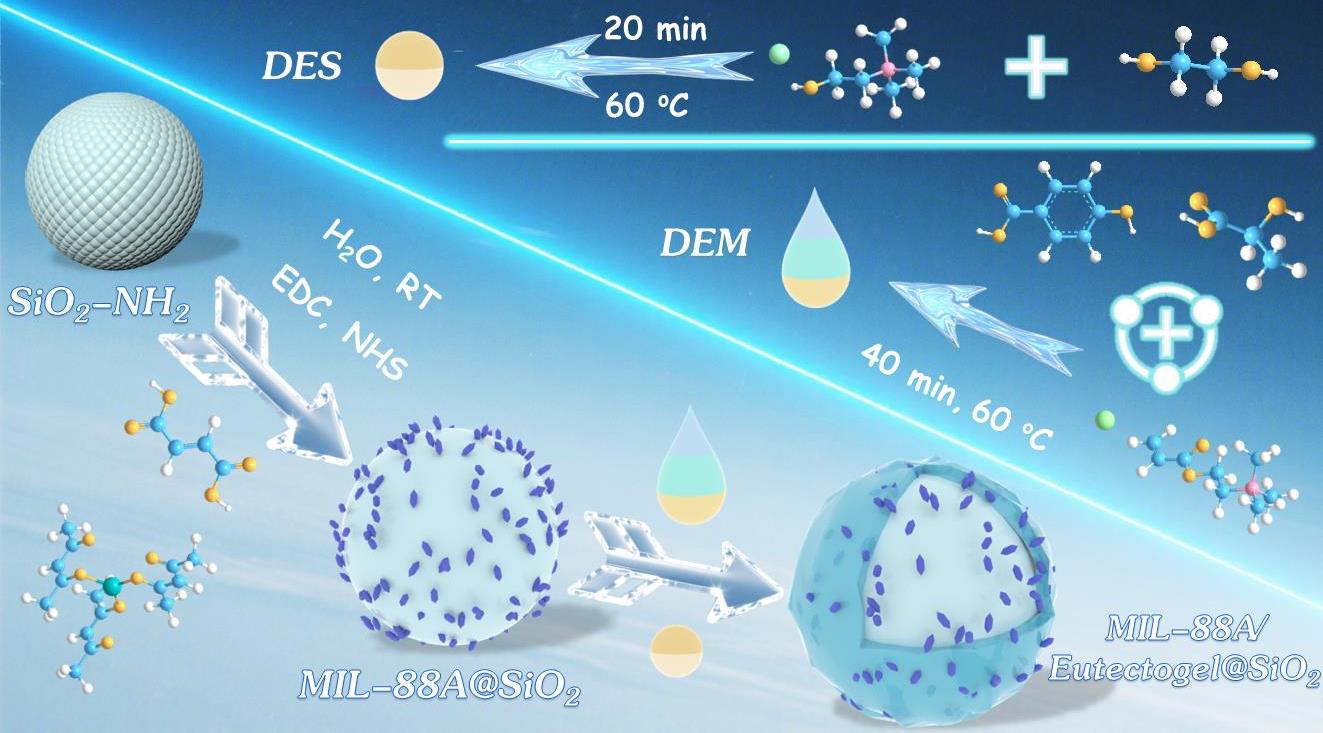
Fig. 1 Synthetic pathway to construct MIL-88A/Eutectogel@SiO2[20]DEM: deep eutectic monomer; EDC: 1-ethyl-3-(3-dimethylaminopropyl)carbodiimide hydrochloride; NHS: N-hydroxysuccinimide; RT: room temperature.
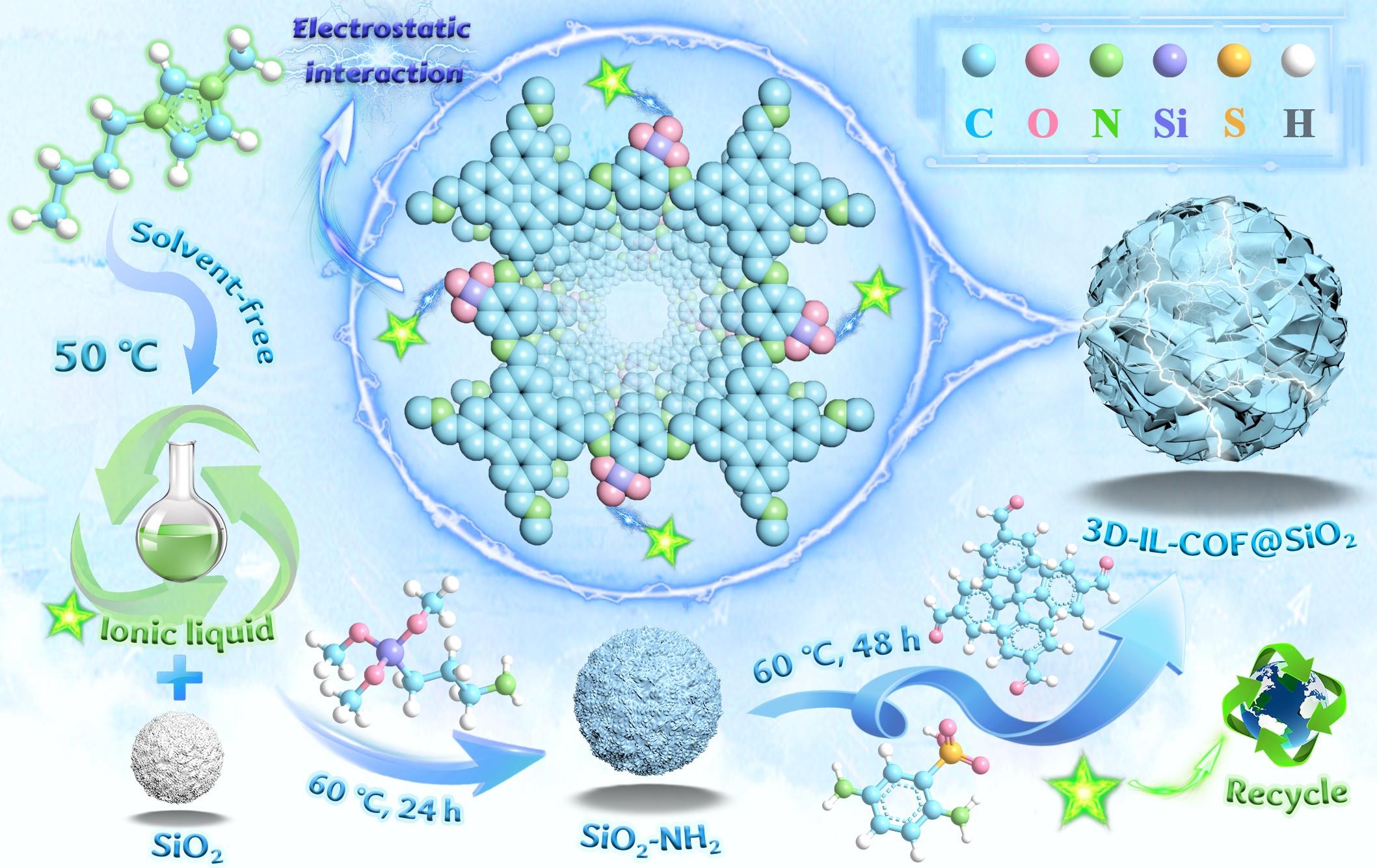
Fig. 2 Synthetic approach for fabricating 3D-IL-COF@SiO2[26]
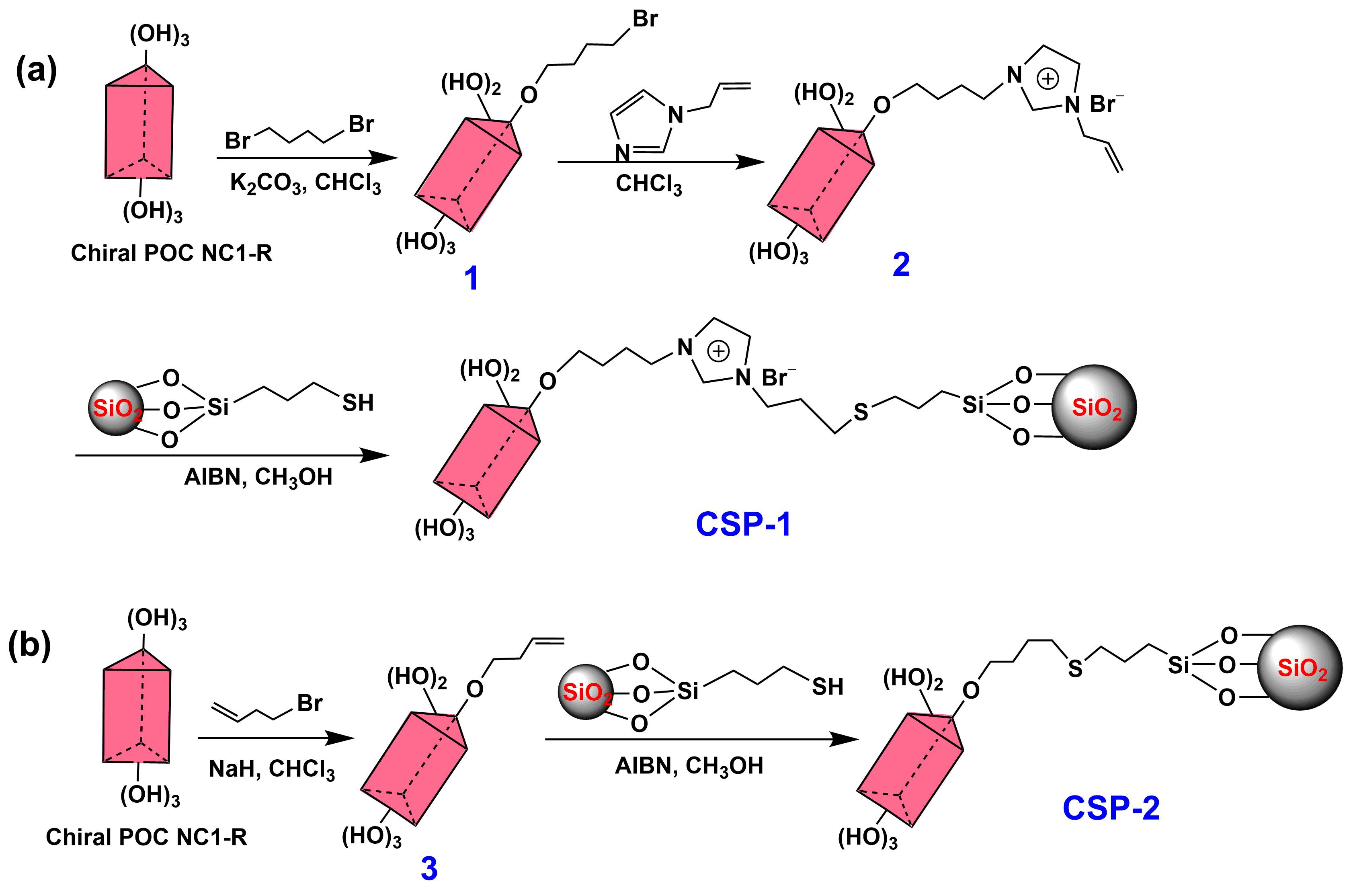
Fig. 3 Thiol-ene click synthesis of NC1-R-based CSPs [38]
|
| [1] | YANG Guangyong, WU Haijiang, ZHANG Huangtao, WANG Hongli, LIANG Qiuyan. Comparison of chiral separation performance of (2-hydroxyethyl-β)-cyclodextrin bonded superficially porous and fully porous particle chiral stationary phases in supercritical fluid chromatography and reversed-phase liquid chromatography [J]. Chinese Journal of Chromatography, 2026, 44(9): 1001-1009. |
| [2] | PAN Jian, HONG Lin, ZHANG Yan. Separation and purification of phospholipids from Antarctic krill oil by hydrophilic interaction liquid chromatography [J]. Chinese Journal of Chromatography, 2026, 44(8): 979-985. |
| [3] | LI Shijie, LI Zhen, TANG Zixia, LYU Mei, WANG Litao. Research progress on high performance liquid chromatography stationary phases based on mixed mode [J]. Chinese Journal of Chromatography, 2026, 44(6): 615-628. |
| [4] | ZHAO Xingyun, JIN Jiangyan, LIU Xiaojian, YAN Lijuan, YANG Siyu, ZHANG Zhenwei, ZHANG Liyun, WU Rongfang. Preparation of mesoporous covalent organic framework core-shell stationary phase and its application in the analysis of astragaloside Ⅳ content in Astragalus [J]. Chinese Journal of Chromatography, 2026, 44(6): 639-649. |
| [5] | JIAO Ruiwen, ZHANG Dandan, HU Xingyuan, ZHU Wanting, LI Xiang, CAI Yidi, REN Dandan, WANG Qiukuan, WU Long, ZHOU Hui. Preparation of a novel polyhydroxy silica stationary phase and application in the separation of alginate oligosaccharides [J]. Chinese Journal of Chromatography, 2026, 44(4): 373-382. |
| [6] | LI Zhiquan, RAO Zirui, QIAN Hailong, YAN Xiuping. Preparation and application of heteroporous covalent organic frameworks as gas chromatography stationary phases [J]. Chinese Journal of Chromatography, 2026, 44(10): 1203-1211. |
| [7] | HUANG Jiaqi, HAN Yangxia, HA Wei, ZHANG Yingshan, SHI Yanping. Recent progress on sample pretreatment methods of emerging pollutants in food based on porous framework materials [J]. Chinese Journal of Chromatography, 2026, 44(10): 1190-1202. |
| [8] | CHEN Chun, GONG Yanan, WANG Bangjin, XIE Shengming, ZHANG Junhui, YUAN Liming. Preparation and chiral separation performance evaluation of a high performance liquid chromatography stationary phase based on a [2+4]-type chiral porous organic cage Pim [J]. Chinese Journal of Chromatography, 2026, 44(10): 1212-1222. |
| [9] | LONG Shen, CHEN Jiayu, YUAN Chen, HOU Xiandeng. Recent progress in constructions and applications of chiral porous framework-based chromatographic stationary phases [J]. Chinese Journal of Chromatography, 2026, 44(10): 1105-1117. |
| [10] | ZENG Lei, WEI Mengling, WEI Wei, LI Hao, SHI Bo’an, LEI Fuhou. Construction of acrylpimaric acid-bonded silica stationary phase and its application in mixed-mode chromatographic separation [J]. Chinese Journal of Chromatography, 2025, 43(7): 744-755. |
| [11] | XU Gaigai, YI Yang, LIU Pingping, ZHANG Wenfen. Preparation and chromatographic performance evaluation of hydrophilic interaction chromatography stationary phase based on amino acids [J]. Chinese Journal of Chromatography, 2025, 43(7): 734-743. |
| [12] | ZHOU Ding, GUO Dandan, ZHU Yan. Research progress in polyamide-amine dendrimer functionalized ionic separation media [J]. Chinese Journal of Chromatography, 2025, 43(7): 726-733. |
| [13] | YANG Meifang, ZHENG Kangni, LONG Yixing, LI Yijie, WANG Xueping, ZHANG Junhui, YUAN Liming. Two-dimensional chiral metal-organic-framework nanosheets based on Co-BDC-NH2 used as stationary phases for gas chromatography [J]. Chinese Journal of Chromatography, 2025, 43(4): 335-344. |
| [14] | WANG Qianyi, ZHU Yongle, LI Xuehua. Construction of a machine learning ensemble prediction model for gas chromatographic retention index on stationary phases with different polarities [J]. Chinese Journal of Chromatography, 2025, 43(4): 355-362. |
| [15] | CHENG Yingchao, GAO Yiyang, LI Xiaomin, CHEN Luyu, DU Fang, GUO Jie, MENG Yitong, SUN Min, FENG Juanjuan. Research advance of solid-phase microextraction based on covalent organic framework materials [J]. Chinese Journal of Chromatography, 2025, 43(2): 120-130. |
| Viewed | ||||||
|
Full text |
|
|||||
|
Abstract |
|
|||||


