
Chinese Journal of Chromatography ›› 2026, Vol. 44 ›› Issue (10): 1251-1261.DOI: 10.3724/SP.J.1123.2026.04016
• Teaching Research • Previous Articles
WANG Dandan, HU Jiaqi, QIN Cui, WANG Mingyue, KE Famin, NIU Hong, YANG Xilin, GAO Die*( )
Received:2026-04-20
Online:2026-10-08
Published:2026-10-13
Supported by:CLC Number:
WANG Dandan, HU Jiaqi, QIN Cui, WANG Mingyue, KE Famin, NIU Hong, YANG Xilin, GAO Die. A comprehensive undergraduate experiment: development of a dispersive solid-phase extraction method based on halogen-bonded organic frameworks and its application to the analysis of brominated flame retardants[J]. Chinese Journal of Chromatography, 2026, 44(10): 1251-1261.
Add to citation manager EndNote|Ris|BibTeX
URL: https://www.chrom-china.com/EN/10.3724/SP.J.1123.2026.04016
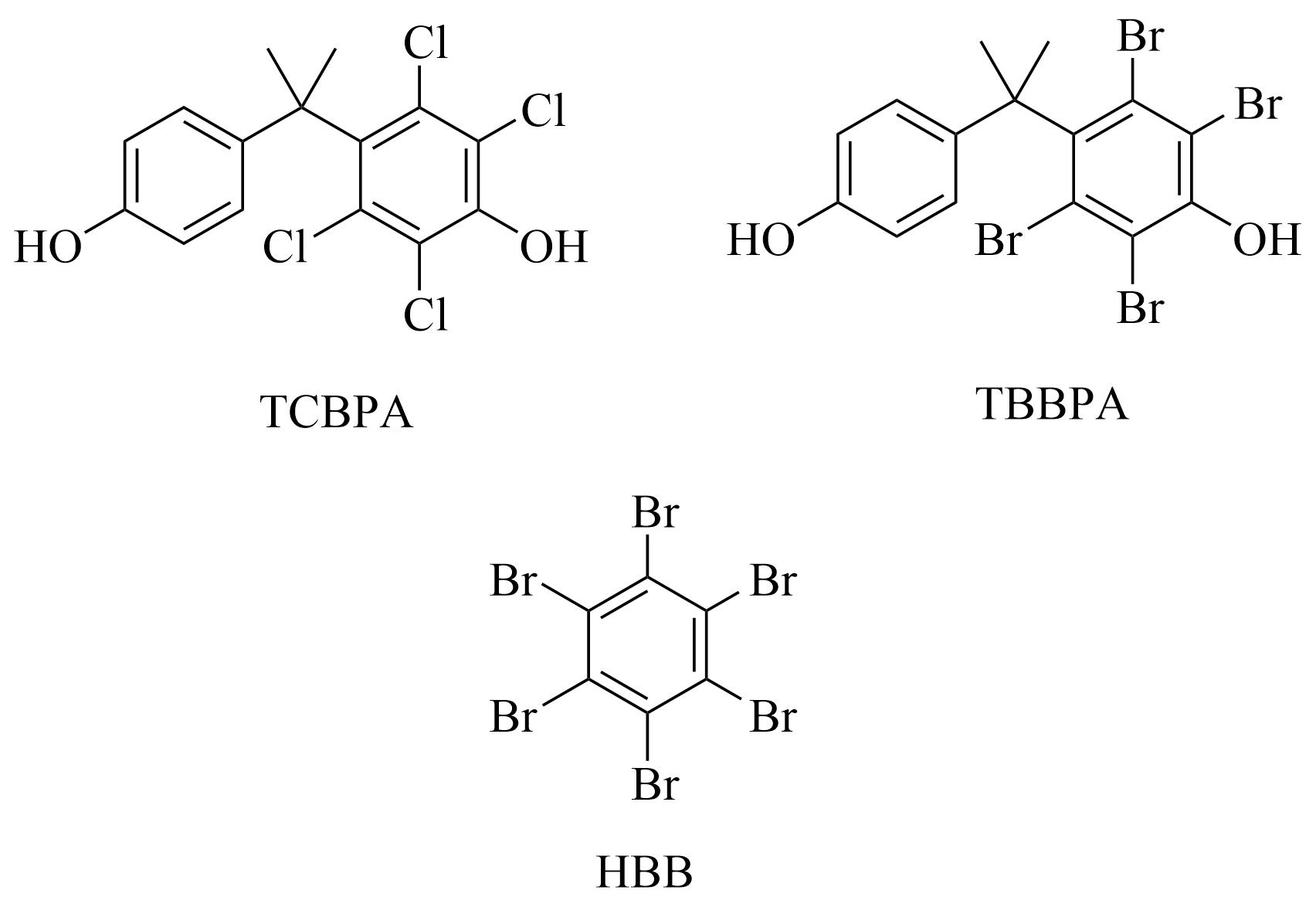
Fig. 1 Structures of TBBPA, TCBPA and HBBTBBPA: tetrabromobisphenol A; TCBPA: tetrachlorobisphenol A; HBB: hexabromobenzene.
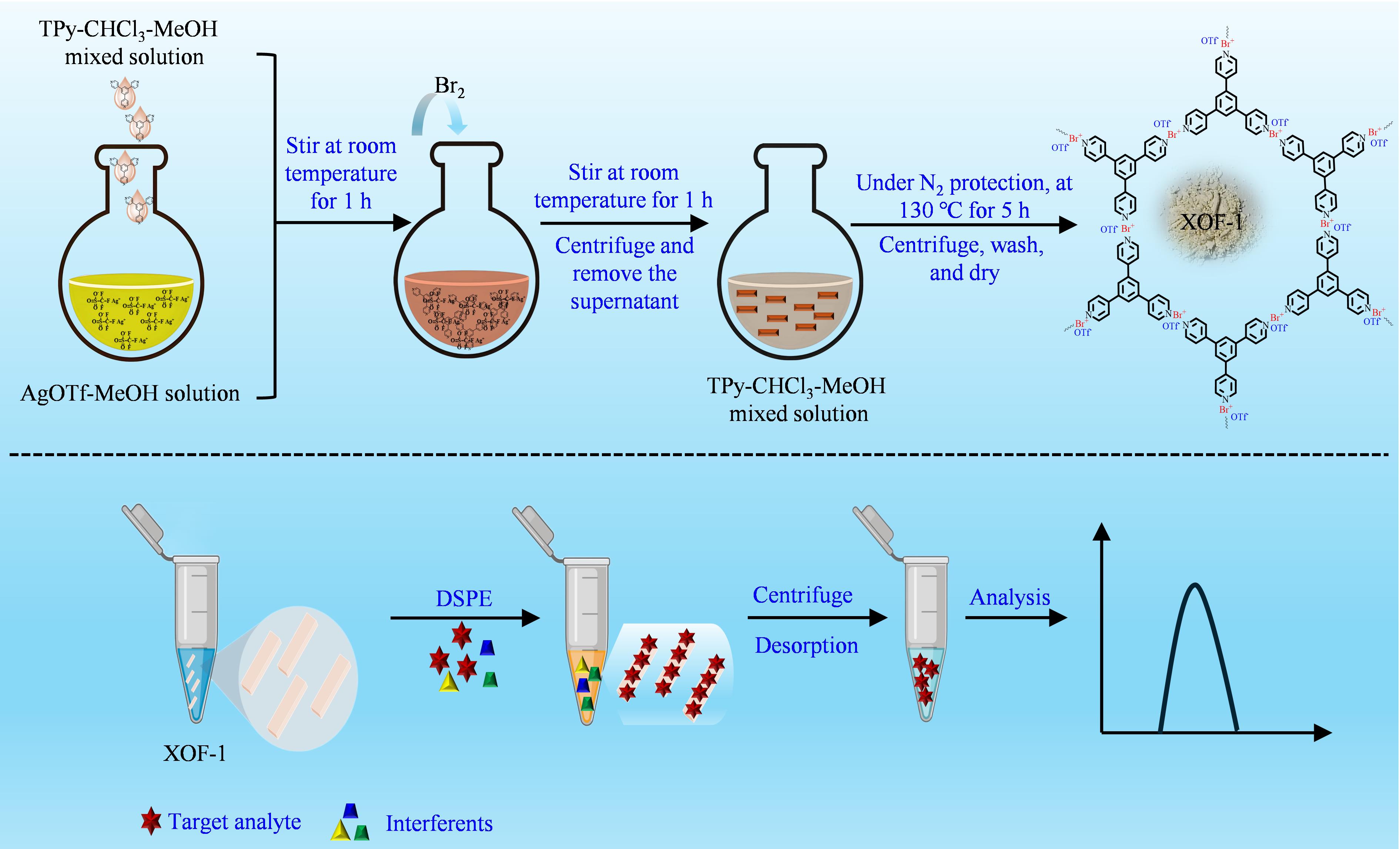
Fig. 2 Schematic diagram of the experimental design TPy: 1,3,5-tri(4-pyridyl)benzene; CHCl3:chloroform; MeOH: methanol; AgOTf: silver(Ⅰ) trifluoromethanesulfonate; DSPE: dispersive solid-phase extraction.
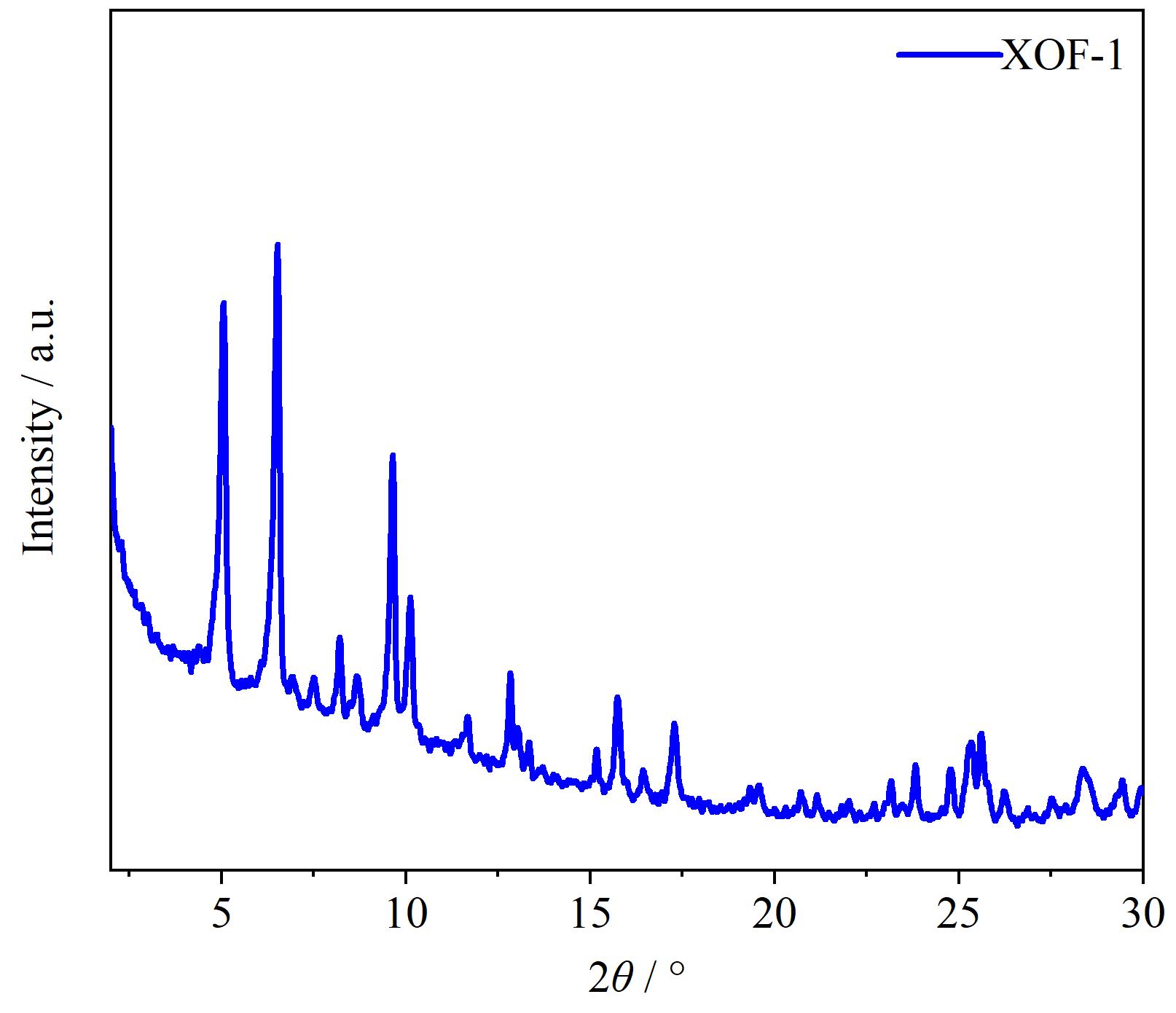
Fig. 3 X-ray diffraction (XRD) pattern of XOF-1
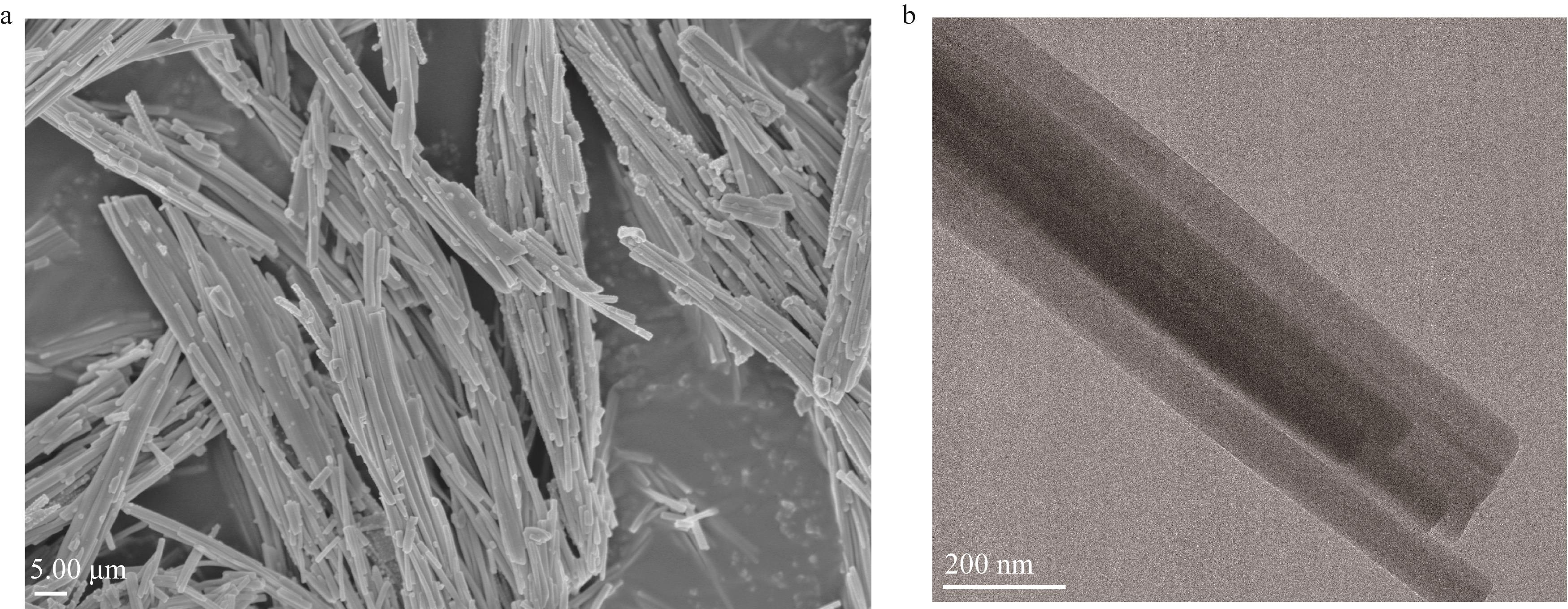
Fig. 4 (a) SEM and (b) TEM images of XOF-1
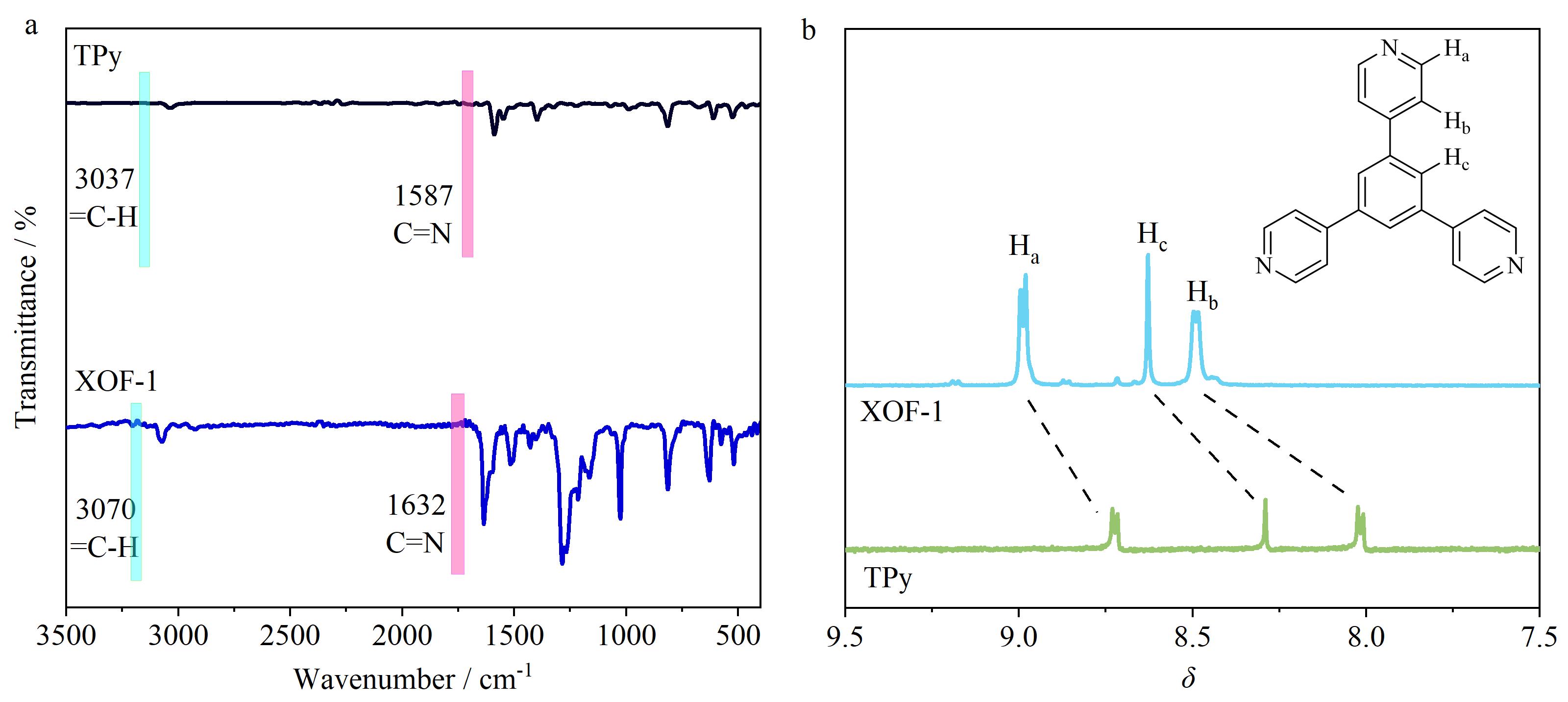
Fig. 5 (a) FT-IR spectra and (b) 1H NMR spectra of TPy and XOF-1
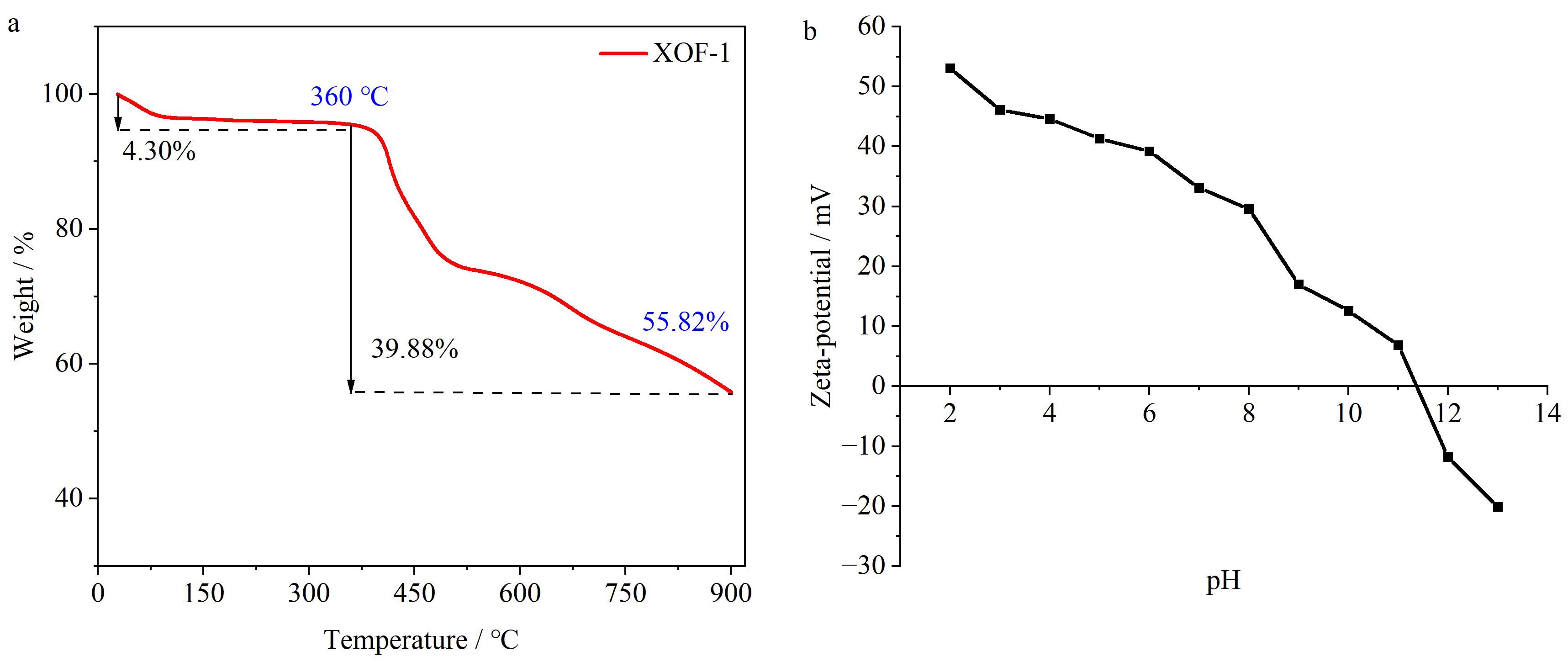
Fig. 6 (a) TGA curve and (b) zeta-potentials under different pH values of XOF-1
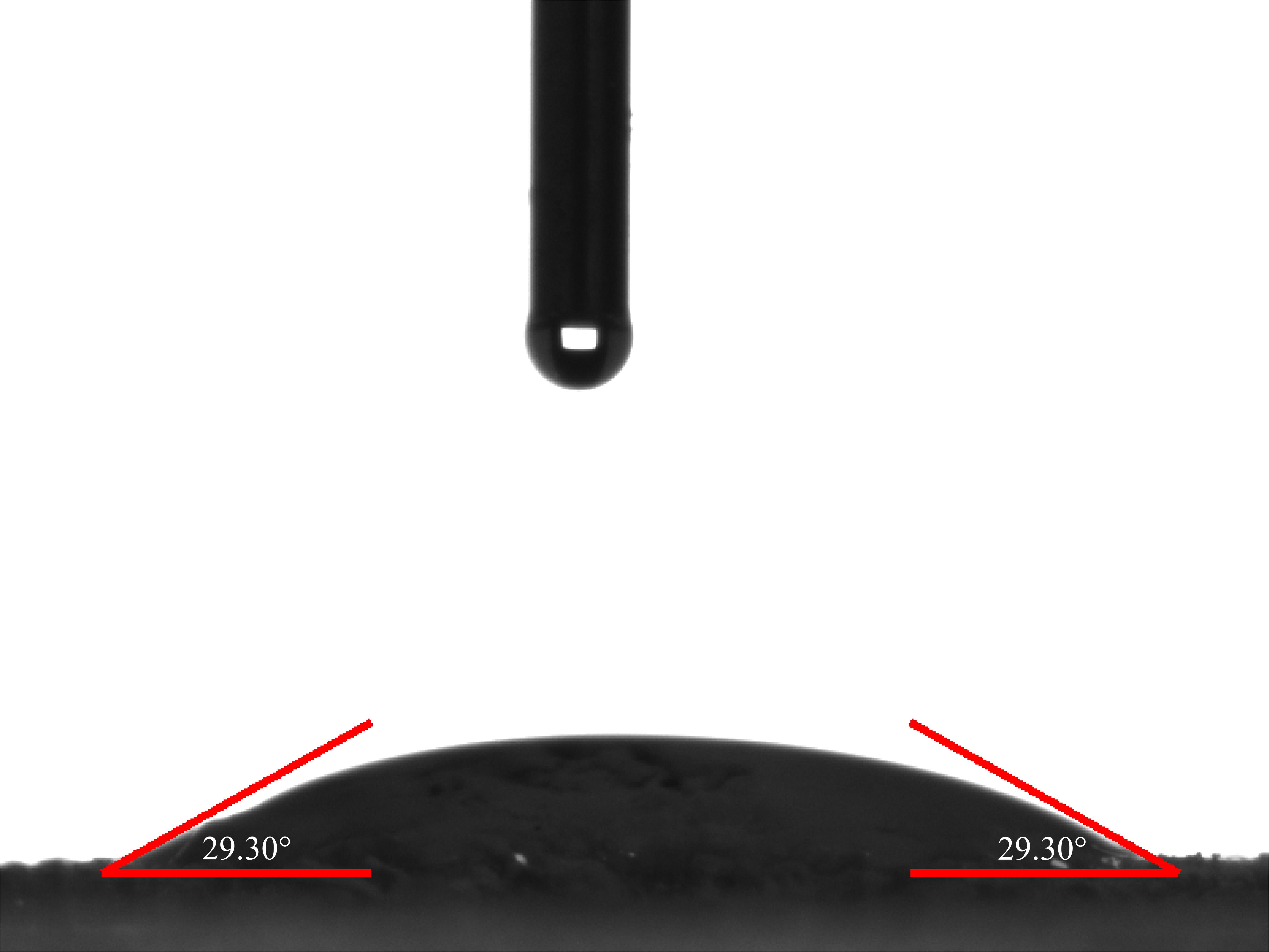
Fig. 7 Water contact angle image of XOF-1
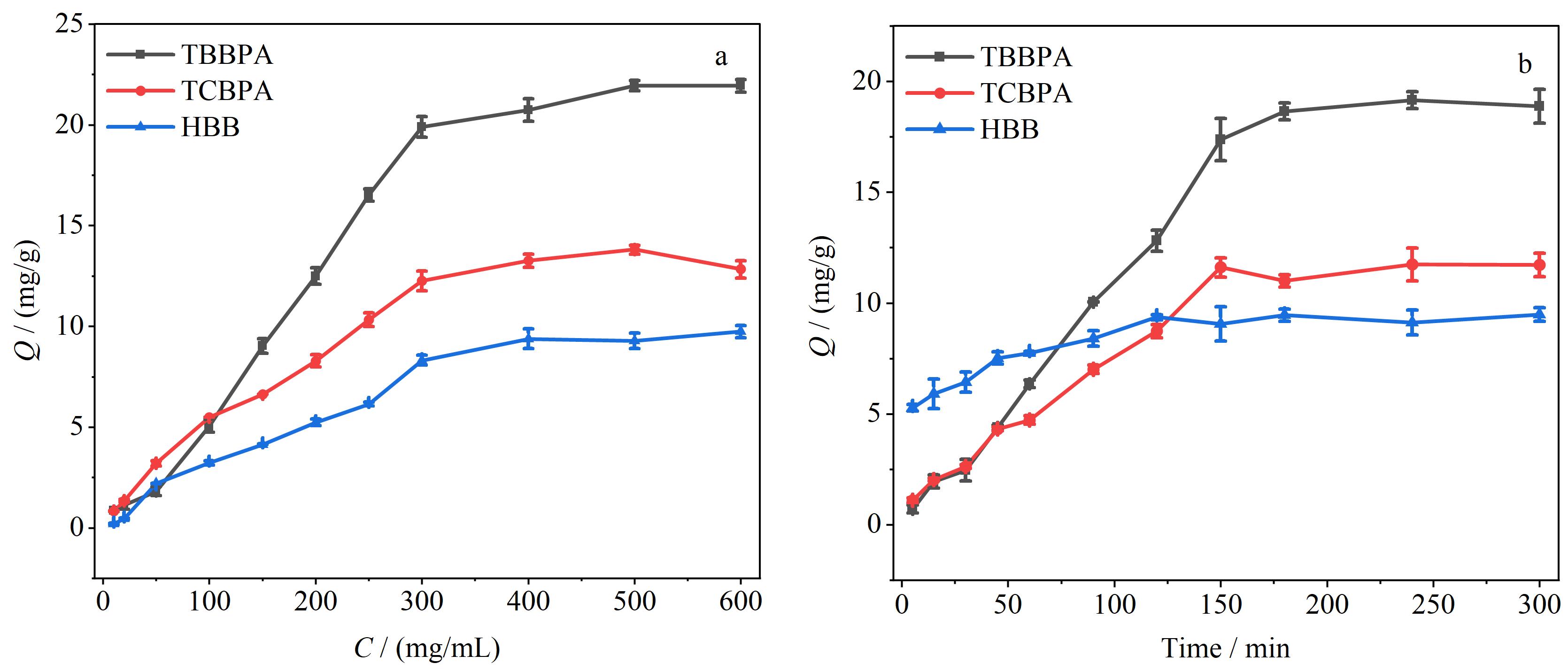
Fig. 8 (a) Adsorption isotherms and (b) adsorption kinetic curves of the three target analytes (n=3) Q: adsorption capacity.
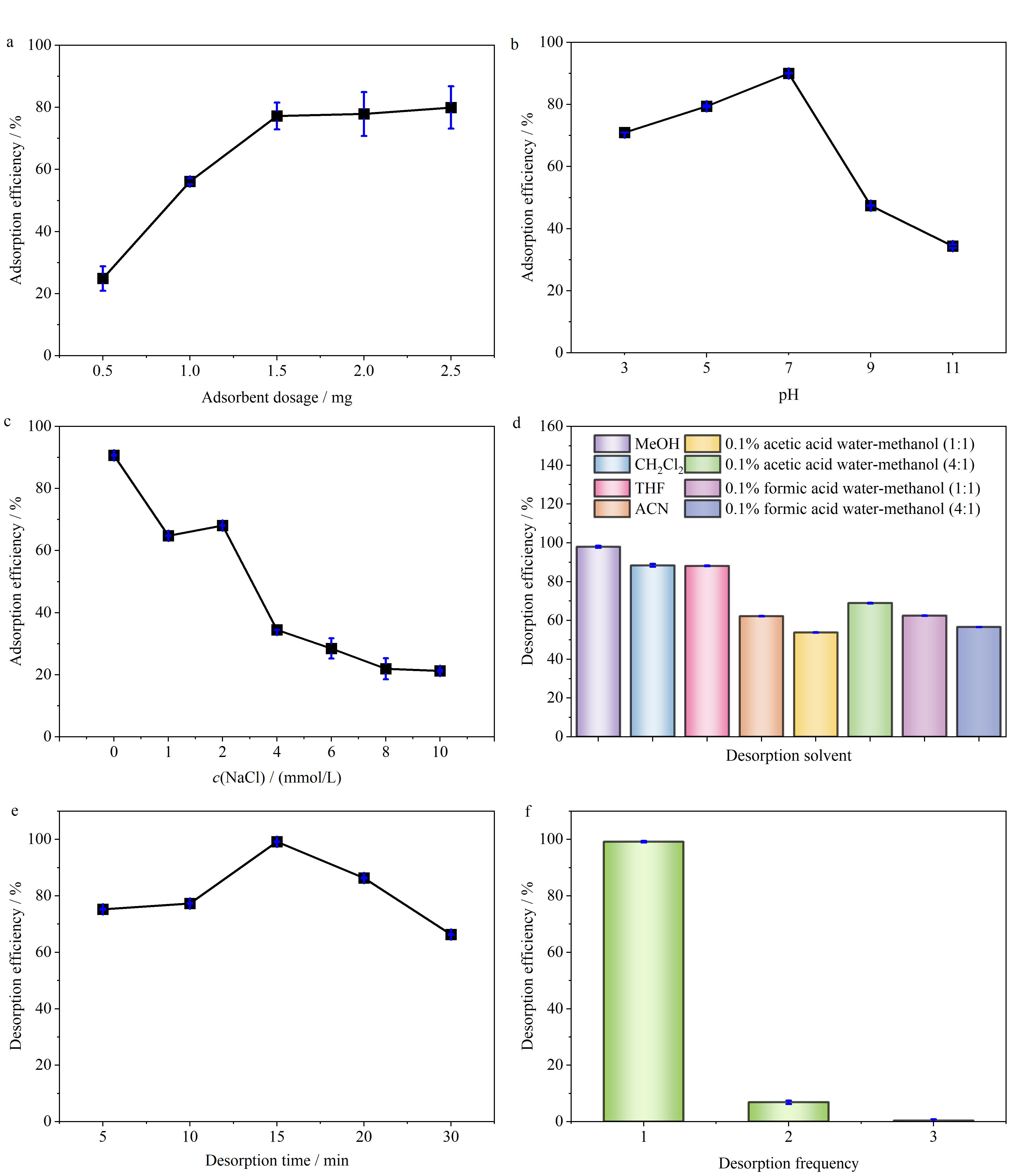
Fig. 9 Effects of (a) adsorbent dosage, (b) pH and (c) NaCl concentration on the adsorption efficiency of XOF-1; effects of (d) desorption solvent, (e) desorption time and (f) desorption frequency on the desorption efficiency of XOF-1 (n=3) CH2Cl2: dichloromethane; THF: tetrahydrofuran; ACN: acetonitrile.
| Sample | Initial/(μg/mL) | Final/(μg/mL) | Recovery/% | RSD/% |
|---|---|---|---|---|
| Tap water | 9.46 | 7.76 | 82.19 | 4.93 |
| 25.01 | 18.27 | 73.06 | 0.84 | |
| 52.97 | 32.52 | 61.39 | 1.16 | |
| Pond water | 8.80 | 6.57 | 74.66 | 1.56 |
| 25.72 | 22.31 | 86.74 | 4.27 | |
| 52.10 | 36.27 | 69.62 | 0.32 | |
| River water | 10.05 | 8.43 | 83.86 | 1.01 |
| 21.02 | 14.38 | 68.42 | 1.21 | |
| 51.50 | 31.88 | 61.91 | 2.22 |
Table 1 Adsorption recoveries of TBBPA in real water samples with XOF-1 (n=3)
| Sample | Initial/(μg/mL) | Final/(μg/mL) | Recovery/% | RSD/% |
|---|---|---|---|---|
| Tap water | 9.46 | 7.76 | 82.19 | 4.93 |
| 25.01 | 18.27 | 73.06 | 0.84 | |
| 52.97 | 32.52 | 61.39 | 1.16 | |
| Pond water | 8.80 | 6.57 | 74.66 | 1.56 |
| 25.72 | 22.31 | 86.74 | 4.27 | |
| 52.10 | 36.27 | 69.62 | 0.32 | |
| River water | 10.05 | 8.43 | 83.86 | 1.01 |
| 21.02 | 14.38 | 68.42 | 1.21 | |
| 51.50 | 31.88 | 61.91 | 2.22 |
|
| Viewed | ||||||
|
Full text |
|
|||||
|
Abstract |
|
|||||


